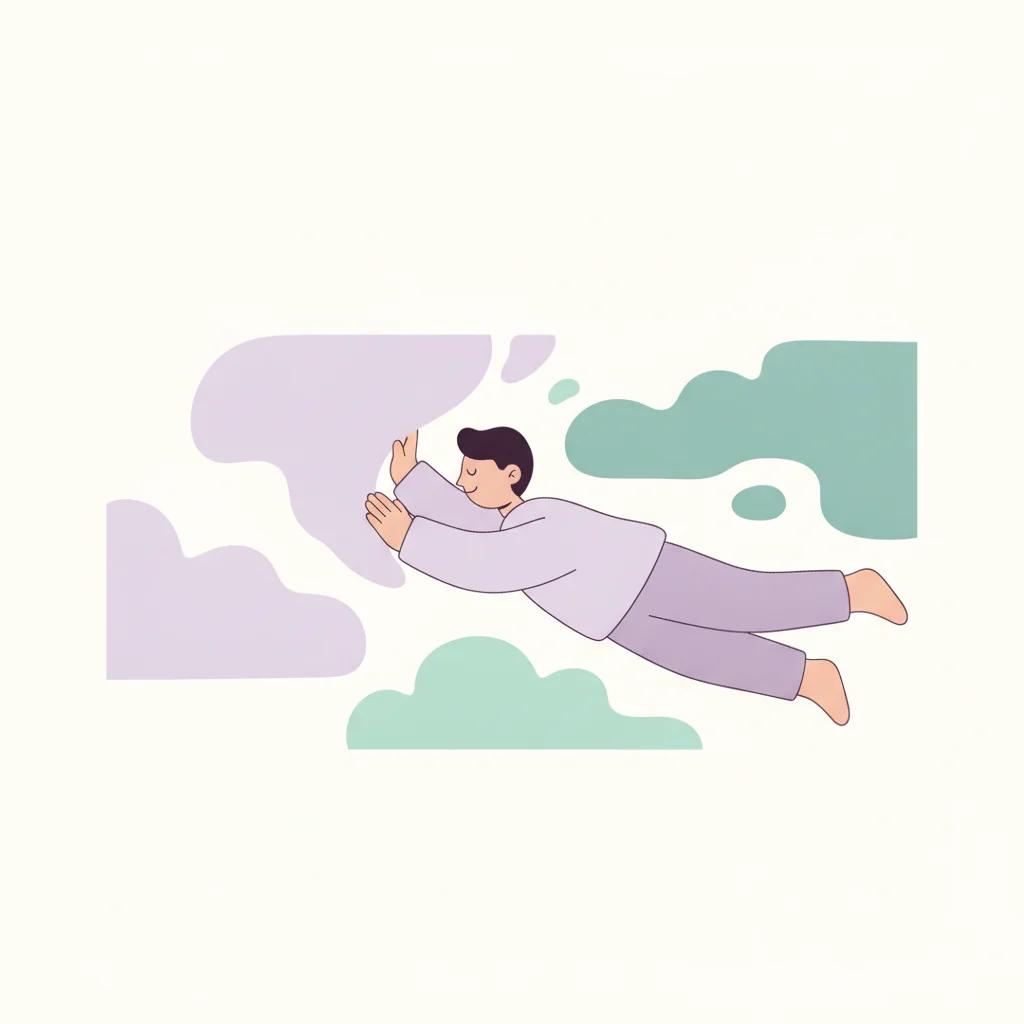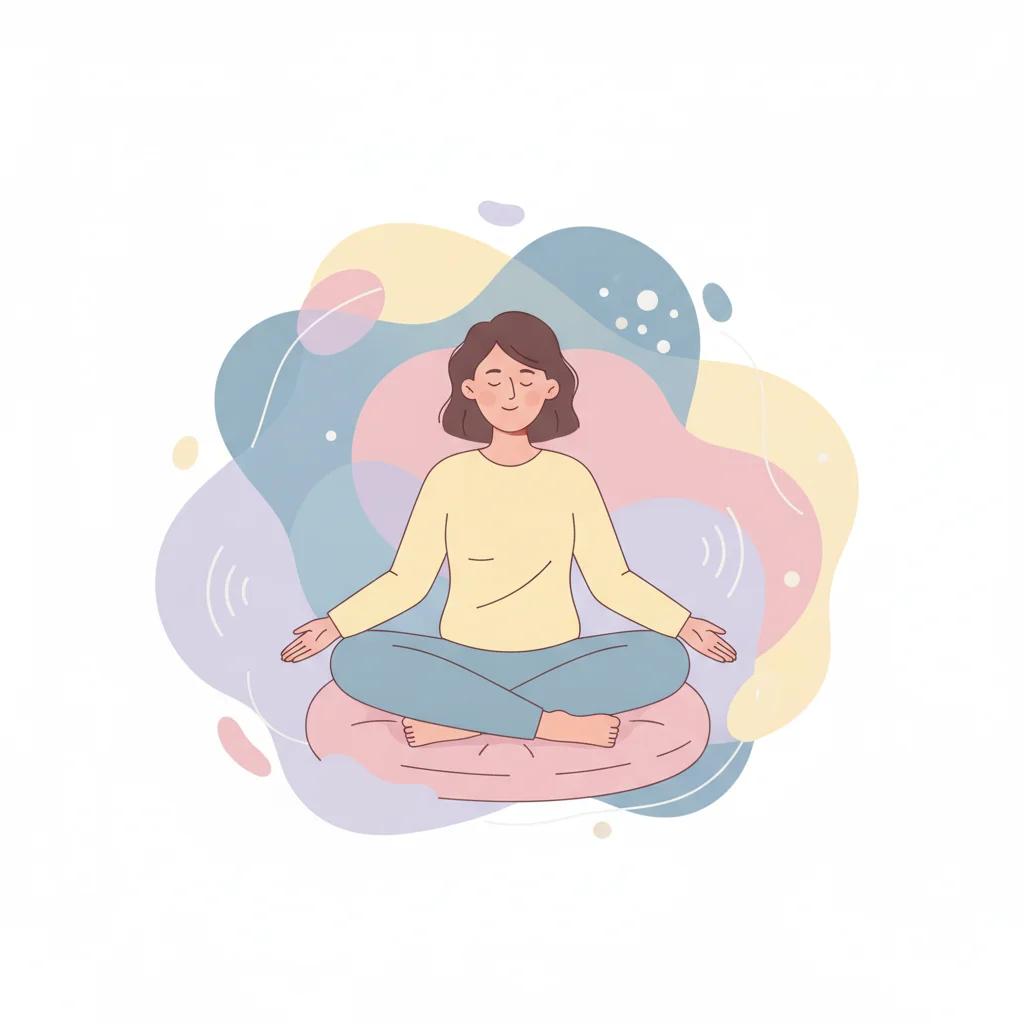
Implementing sensory regulation strategies is an essential daily skill for many autistic people. Sensory overload does not stem from any defect, but from a natural neurological difference that often encounters an unaccommodating environment. Current guidelines recognize that different Sensory Processing is a key characteristic of an autistic brain. When the intensity of environmental stimuli exceeds the nervous system's processing capacity, Sensory Overload occurs. The purpose of this text is not to suggest ways to "cure" sensitivity, but to fully validate it, and to provide practical tools for building an environment and routine that allow for comfortable and safe functioning at work, at home, and in public spaces.
The Physiological Mechanism: What Happens in the Body During Sensory Overload?
To understand sensory overload, it is important to know how the nervous system works. Current scientific theories describe how the autonomic nervous system experiences dysregulation in response to overwhelming external stimuli. When an autistic person is continuously or suddenly exposed to loud noises, bright lighting, or painful textures, the nervous system jumps into a state of extreme over-arousal. This physiological fight-or-flight response often leads to a Meltdown, which is sometimes perceived externally as an outburst of anger or loss of control, but in reality, it is an expression of distress and a desperate effort to release the burden. In other extreme situations, the system chooses a survival strategy of system shutdown, a state where Shutdown occurs, communication ceases, and even the most basic actions become difficult to perform.
Between Hyper Sensitivity and Hyposensitivity: The Complexity of the Autistic Sensory Experience
The sensory experience is not limited to Hyper Sensitivity, but often combines entire channels of varying sensitivities. Hyper Sensitivity is expressed in negative and intense reactions to routine stimuli that most people in the environment do not even perceive. This includes, for example, background noises like hand dryers in restrooms or vacuum cleaners, fluorescent lights in offices, itchy clothing tags, or an aversion to mixed textures in food that requires complete separation on the plate.
Alongside this, many autistic people also have marked Hyposensitivity, especially in the Interoception system. This term refers to the brain's ability to identify, locate, and process signals coming from within the body itself, such as hunger, thirst, fatigue, or the location of pain. This Hyposensitivity requires the development of proactive habits to meet basic bodily needs, to prevent sudden collapse due to unrecognized malnutrition or exhaustion.
The Close Connection Between Anxiety and Sensory Overload in Public Spaces
A significant percentage of autistic adults also cope with anxiety as part of their daily reality. There is a direct and logical connection between anxiety and the sensory experience in a world designed by and for Neurotypical people. Crowded places, such as shopping malls, busy supermarkets, or bustling streets, overwhelm the system with unpredictable and uncontrollable stimuli.
For an autistic person, leaving a safe and adapted space for a crowded environment is a task that requires enormous resources. Phenomena of social anxiety or avoidance of crowded places are not unfounded fears, but a realistic recognition of the heavy toll the environment takes. The loss of control over stimuli, combined with the social expectation to communicate according to certain norms, creates a burden that fully justifies the need to withdraw and protect the nervous system.
Practical Strategies for Sensory Regulation in the Workplace
Creating a sensory-accessible work environment is a critical component of maintaining employment continuity, and the responsibility for this is shared by the individual and the workplace itself. Implementing small accommodations can make a huge difference in cognitive availability throughout the day.
Use of input filtering equipment: Noise-canceling headphones or frequency-filtering earplugs significantly reduce fatigue caused by office noises, phone rings, and background conversations.
Adjusting the lighting environment: Requesting to sit near a window with natural light, turning off fluorescent lights in the personal area, or wearing light sunglasses indoors can greatly alleviate visual overload.
Managing organizational communication: Preferring email or messaging systems over sudden phone calls allows the person time to process information and respond without the element of surprise and social burden.
Planning anchoring breaks: Finding a completely quiet space for a few minutes every few hours, without a mobile phone and without stimuli, to allow the brain to "reboot" itself.
Managing the Home Environment as Creating a Protected Space
Home is where the need to wear social masks diminishes, and it is the space where sensory control should be maximal and personally adapted without any need to apologize.
Careful clothing selection: Cutting off all clothing tags, avoiding stiff fabrics, and choosing loose-fitting clothes without prominent seams saves the body from constant struggle with physical discomfort.
Adapting the nutritional environment: Eating foods with a predictable and uniform texture, or ensuring plates are divided into compartments to prevent contact between different types of food, is a legitimate and healthy need that allows for calm eating.
Organizing and tidying as a release mechanism: Repetitiveness, arranging objects in rows, or systematic sorting are now considered excellent and natural ways for the autistic brain to regulate internal arousal levels. When the outside world signals chaos, creating local order provides an anchor of stability.
Coping with Sensory Overload on the Go
Advance planning is key to reducing anxiety and overload when going to public places or running essential errands.
Sensitive mapping and timing: Using apps to check when designated places are less crowded. Planning errands for early mornings or late evenings.
Permanent comfort kit: Always carrying a small bag containing sunglasses, earplugs, and small Stimming tools allows for a physical and psychological safety net anywhere.
Building an escape route: Whenever leaving home, it is advisable to pre-define the end point or the fastest way to leave if Sensory Overload occurs, and to use it without guilt or the need to please others.
Frequently Asked Questions
What is sensory overload and why does it occur in autistic people?
Sensory Overload occurs when the intensity of environmental stimuli exceeds the nervous system's processing capacity. It stems from a natural neurological difference that often encounters an unaccommodating environment, and is not a defect.
What are the possible physiological responses of the nervous system to a state of sensory overload?
The nervous system jumps into a state of extreme over-arousal, leading to a "fight or flight" response. In these situations, the person may experience a Meltdown, perceived as an outburst of anger or loss of control, but in reality, it is an expression of distress. Another possibility is "system shutdown," a state of Shutdown, cessation of communication, and difficulty performing basic actions.
How are Hyper Sensitivity and Hyposensitivity expressed in autistic people, and what are the implications of Hyposensitivity to body signals?
Hyper Sensitivity is expressed in negative and intense reactions to routine stimuli (such as loud noises, bright lights, certain textures). Hyposensitivity, on the other hand, affects the ability to identify and process signals from the body (such as hunger, thirst, fatigue). This Hyposensitivity requires the development of proactive habits to meet bodily needs to prevent collapse.
What practical strategies can be implemented to regulate sensory overload in the workplace and home environment?
In the workplace, one can use input filtering equipment (headphones), adjust lighting (natural light, turning off fluorescents), manage communication (preferring emails over sudden calls), and plan anchoring breaks in a quiet place. In the home environment, one can choose comfortable clothing (cutting tags, soft fabrics), adapt the nutritional environment (predictable textures, divided plates), and perform organizing and tidying activities as a release mechanism.