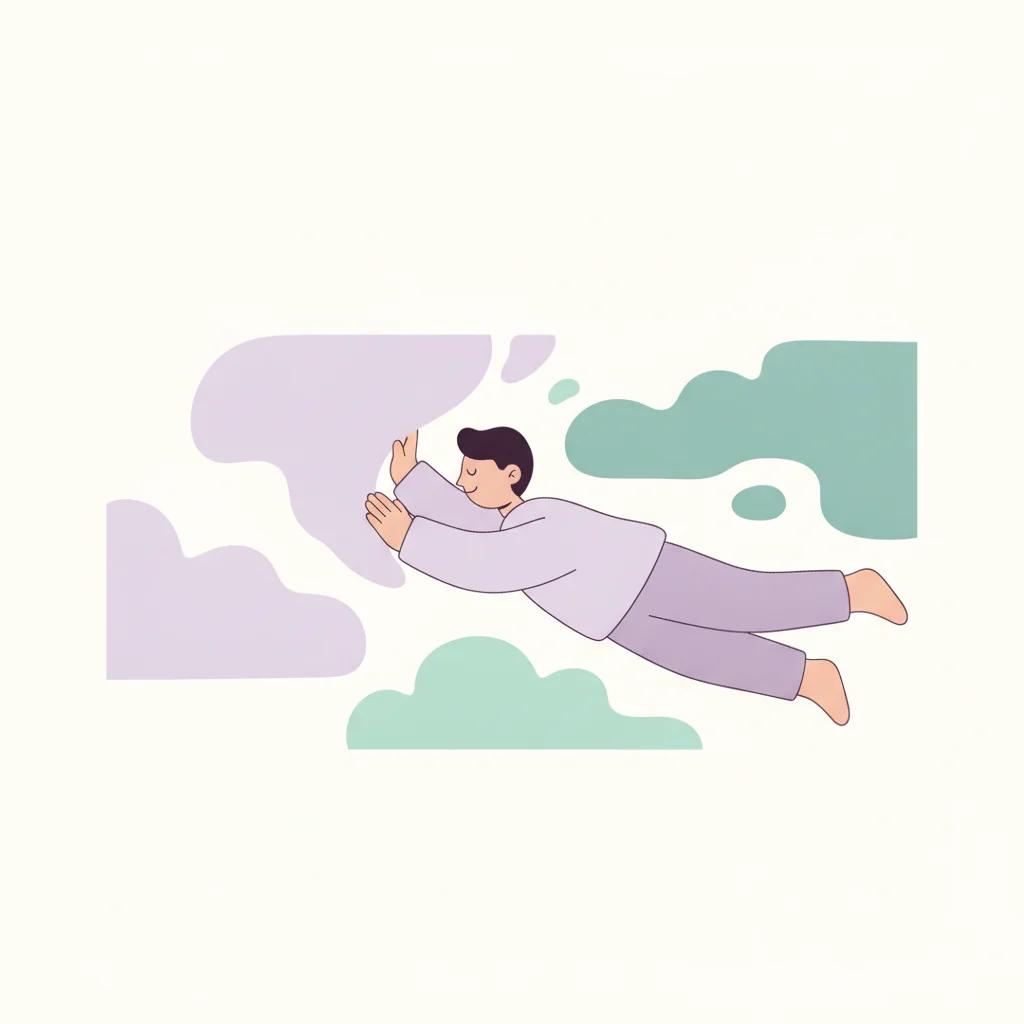
Sensory perception is a cornerstone of the human experience, but for autistic people, the sensory world can be a uniquely complex and intense reality. The autistic brain processes sensory information differently from the neurotypical brain, leading to unique sensitivities - whether as Hyper Sensitivity or Hyposensitivity to various stimuli. A deep understanding of this sensory profile is essential for promoting well-being and balance in life.
Hyper Sensitivity can manifest as an especially high intensity of sounds, lights, smells, tastes, or touch, to the point where everyday stimuli become painful or overwhelming. For example, fluorescent lights in offices, background noise in a social conversation, or a specific fabric texture on the skin can cause significant distress. Conversely, Hyposensitivity may manifest as a need to seek more intense sensory stimuli to feel them, such as strong hugs, particularly rich flavors, or exposure to extreme temperatures. People may seek constant movement or experience a higher pain threshold. These differences are not a choice, but an integral part of the neurological profile.
The external world constantly presents autistic people with challenges in navigating environments that are not adapted to their unique sensory profile. Social gatherings, which are inherently crowded and full of unpredictable stimuli, can lead to severe Sensory Overload. Even daily tasks that seem simple to others, such as grocery shopping or a phone call, require immense cognitive and sensory effort to filter noise, process information, and respond appropriately. The constant coping with these stimuli consumes a lot of energy and can lead to Autistic Burnout.
Implications of Sensory Overload and Burnout
One of the common phenomena resulting from continuous Sensory Overload is "Sensory Hangover." This is a feeling of deep exhaustion - physical, mental, and emotional - that appears after prolonged or intense exposure to a stimulus-rich environment. Even if a person manages to function and appear "normal" during the event, the effort invested in filtering and processing information reaches its limit, and the collapse comes later. Symptoms can include headaches, irritability, anxiety, difficulty concentrating, and even a need to completely disconnect from the environment. This is not laziness, but an essential survival mechanism for the autistic brain.
In addition to Sensory Hangover, the need for a "reset" is another familiar phenomenon. When prior plans are disrupted, even slightly, or when unexpected Sensory Overload peaks, many autistic people experience an intense need to stop the current activity, isolate themselves, and re-process the situation. For example, if the daily routine is disrupted due to a canceled meeting or a sudden loud noise, the rest of the day may feel "ruined" and impossible to continue. The ability to "go with the flow" or "roll with the punches" is limited for many, and the need to cancel or change plans to allow for a reset becomes critical.
The mental exhaustion resulting from constantly navigating a world not naturally structured for the autistic brain is a major factor in Autistic Burnout. Burnout manifests as a significant decline in functioning, loss of motivation, difficulty performing daily tasks, and even a temporary loss of acquired skills. This is a deep distress that affects all areas of life and requires long periods of rest and recovery. It is important to distinguish Autistic Burnout from regular fatigue or clinical depression, although it can mimic them. It stems directly from the constant effort to adapt ourselves to inconsiderate environmental demands.
Strategies for Sensory Navigation and Balance
Understanding one's personal sensory profile is the first step towards more successful management of the sensory world. By identifying specific triggers as well as calming factors, proactive strategies can be developed to reduce overload and promote well-being. Listening to the body and mind is critical, as is legitimizing sensory needs, even if they seem "strange" to others.
Creating Supportive Environments
Adapting the physical environment to sensory needs can significantly reduce overload. At home, "safe spaces" can be created that are quiet and free of stimuli, where one can isolate and relax. Using noise-canceling headphones, blackout curtains, soft lighting, and items with pleasant textures can help. In the workplace, if possible, accommodations can be requested such as a quieter workspace, appropriate lighting, or permission to use headphones. Many people find comfort and calm in natural environments, such as walking in nature or sitting by the sea, which provide gentle and comforting sensory stimuli.
Managing Social Interactions
Since many social interactions are accompanied by significant Sensory Overload, it is important to develop strategies for managing them. Planning conversations in advance, practicing possible responses, and using social "scripts" can reduce anxiety. It is also important to give ourselves permission to limit social interactions or take intentional breaks during long gatherings. Open communication with loved ones about sensory needs can create understanding and support. There is no need to "try hard" to appear neurotypical; it is better to be authentic and accept unique needs.
Importance of Alone Time and Reset
Alone time is critical for autistic people to regulate themselves and recover from the day's challenges. This is not anti-social behavior, but an essential physiological need for maintaining mental and emotional well-being. The ability to dedicate time to calming activities, without external demands, allows the brain to process accumulated stimuli and recharge. Engaging in Special Interests can also serve as an effective regulation mechanism, as it allows for deep and enjoyable focus, reducing overall overload.
Self-Awareness and Acceptance of Needs
The path to successful navigation of the autistic sensory world begins with deep self-awareness and self-acceptance. Understanding that these sensitivities are part of a unique neurological profile, rather than "flaws" to be fixed, is critical. It must be recognized that "the world" is the source of the challenge, not the autistic person themselves. Through mutual support, sharing experiences, and seeking accepting and understanding communities, a sense of belonging can be found and a better quality of life promoted. The path to balance is an ongoing journey of self-discovery, adaptation, and self-advocacy.
Frequently Asked Questions
What is sensory sensitivity in autistic people?
Sensory sensitivity in autistic people refers to the different way the autistic brain processes sensory information, leading to unique sensitivities, whether as Hyper Sensitivity or Hyposensitivity to various stimuli.
How does Hyper Sensitivity to sensory stimuli manifest in autistic people?
Hyper Sensitivity can manifest as an especially high intensity of sounds, lights, smells, tastes, or touch, to the point where everyday stimuli become painful or overwhelming. Examples include fluorescent lights, background noise in a social conversation, or a fabric texture on the skin.
What is Hyposensitivity and how does it manifest?
Hyposensitivity may manifest as a need to seek more intense sensory stimuli to feel them, such as strong hugs, particularly rich flavors, or exposure to extreme temperatures. People may seek constant movement or experience a higher pain threshold.
What is a "Sensory Hangover" and how does it affect autistic people?
A "Sensory Hangover" is a feeling of deep exhaustion - physical, mental, and emotional - that appears after prolonged or intense exposure to a stimulus-rich environment. It is accompanied by symptoms such as headaches, irritability, anxiety, and difficulty concentrating, and is an essential survival mechanism.
How can supportive environments be created for the sensory needs of autistic people?
Supportive environments can be created by adapting the physical environment, for example, creating quiet, stimulus-free "safe spaces" at home, using noise-canceling headphones, blackout curtains, soft lighting, and items with pleasant textures. In the workplace, accommodations can be requested such as a quieter workspace or permission to use headphones.
What is "Autistic Burnout" and what causes it?
"Autistic Burnout" is mental exhaustion resulting from the constant need to navigate a world not naturally structured for the autistic brain. It manifests as a decline in functioning, loss of motivation, and difficulty performing daily tasks, and requires periods of rest and recovery.