Many people experience a sense of mismatch or difficulty finding their place in the world, but for autistic people, this feeling can be an ongoing and exhausting battle. The constant effort of navigating a world not always adapted to their neurological profile takes a significant toll. This accumulated burden leads to unique mental well-being challenges, especially regarding the link between Autism and depression. It is common for autistic people, particularly those diagnosed later in life, to struggle with emotional difficulties and decreased motivation, highlighting the critical need for understanding and support. There is a tendency to confuse Autistic Burnout with clinical depression due to similar symptoms, but the differences between them are fundamental for proper understanding and response. This article will delve into the increased risk of depression among autistic people, detail the differences between Autistic Burnout and clinical depression, and offer effective support and coping strategies that can help. We aim to provide in-depth insights that will improve the quality of life for autistic people and their environment.
The Link Between Autism and Increased Risk of Depression
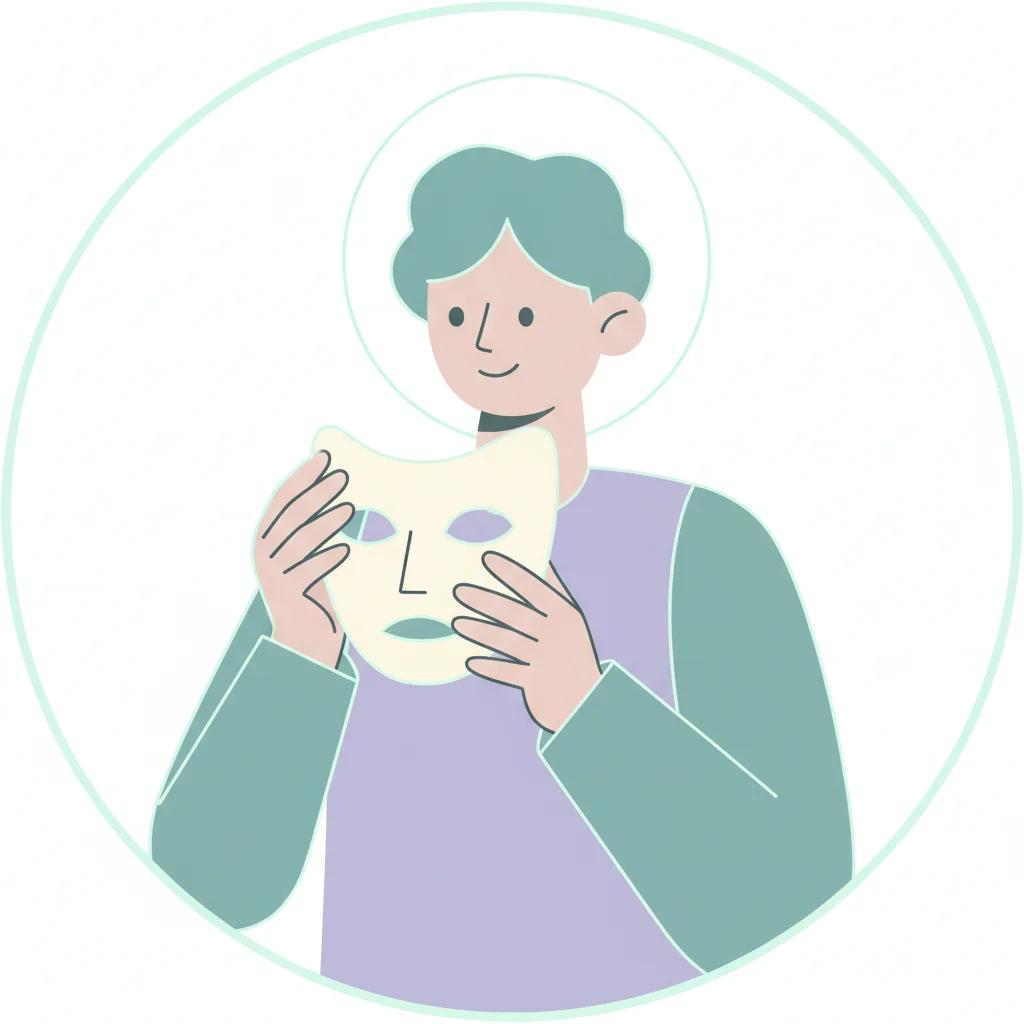
The unique neurological profile of autistic people exposes them to many daily challenges in an environment not always adapted to their specific needs. One of the main factors is continuous sensory overload, where Hyper Sensitivity or hyposensitivity to environmental stimuli such as bright lights, loud noises, strong smells, or touch can make the environment constantly exhausting. This requires the brain to work tirelessly to filter, process, and cope with information, quickly leading to deep exhaustion. Additionally, social interaction challenges constitute another significant layer, as difficulties in deciphering non-verbal cues, understanding unspoken social expectations, and managing spontaneous conversations often create intense feelings of loneliness, frustration, and profound misunderstanding. Many autistic people describe investing immense energy in "Masking" or "Camouflaging," meaning imitating neurotypical behaviors to try to "fit in" socially, and this Masking effort is emotionally and cognitively exhausting, contributing to an internal sense of inauthenticity and failure.
The need for order, routine, and predictability is a common autistic trait, and constant uncertainty in a changing world can trigger significant anxiety. All these factors, when accumulated and acting together over time, create a state of chronic stress that serves as fertile ground for the development of severe emotional conditions, including depression. The combination of sensory overload, social challenges, Masking effort, and uncertainty creates a unique vulnerability that requires deep understanding and tailored support. It is important to recognize these factors to understand why Autism and depression are linked to an increased risk, and to formulate systematic and empathetic coping mechanisms. The impact of these factors can be cumulative and undermine a person's sense of stability and security, thereby increasing the likelihood of developing a depressive state. Therefore, understanding the link between Autism and vulnerability to depression is the first step towards prevention and effective intervention.
Autistic Burnout vs. Clinical Depression: The Essential Distinction
A clear distinction between Autistic Burnout and clinical depression is of paramount importance, as these are two separate experiences, each with its unique characteristics and coping requirements. Autistic Burnout, although not officially classified as a medically diagnosed condition in standard clinical guides, is a widespread and well-described phenomenon within the autistic community. It manifests as a state of extreme physical, emotional, and mental exhaustion, far exceeding normal daily fatigue. This burnout is a complex response to the continuous demands and pressures of daily life, especially the challenges arising from navigating a world structured for neurotypical minds. It occurs when an autistic person pushes themselves too hard, or operates under a continuous load of stimuli - whether sensory, social, or cognitive - without sufficient support or accommodations that allow for recovery. It is a distress signal from the system seeking rest and reduced demands.
In contrast, clinical depression is a recognized and diagnosed medical condition, appearing in medical guides as a mental disorder with clear and detailed diagnostic criteria. It is characterized by a range of symptoms affecting a person's mood, thoughts, behavior, and physical functioning over a significant period. The causes of clinical depression are complex and include biological, psychological, and environmental factors, and it can affect anyone, regardless of their neurological profile. The distinction between the two is crucial, as it guides the correct path for coping and seeking help, differentiating between a complex environmental response requiring accommodations and a medical condition often requiring clinical intervention. This understanding allows for more precise adaptation of support strategies and reduces the risk of treatment that does not address the root of the problem. In cases of Autism and depression, an accurate diagnosis is key to significant improvement in quality of life.
Typical Symptoms of Autistic Burnout
Autistic Burnout manifests in a wide range of symptoms, with the most prominent common denominator being a feeling of overwhelm and deep, exhausting fatigue. Many people describe a chronic and immense sense of tiredness that does not significantly improve even after prolonged rest, and it negatively affects all areas of life. Another characteristic is a drastic loss of motivation, leading to a significant decrease in the desire and strength to perform daily activities, including work, studies, and even Special Interests that previously provided great pleasure and meaning. Furthermore, a temporary decline in previously existing skills may occur, such as communication abilities, Sensory Processing, or Executive Functioning like planning and organizing. Autistic people report struggles with simple tasks that were previously performed with ease, such as getting ready in the morning, managing household chores, or even maintaining important social connections. Additionally, Hyper Sensitivity may significantly increase, making noises, lights, touch, or smells even more overwhelming and difficult to cope with. These symptoms express a clear call from the body and mind for rest, reduced burdens, and the need for environmental and personal accommodations to allow for recovery. Autistic Burnout is an emergency situation requiring immediate attention to the person's needs. Social withdrawal is also a common symptom, where people avoid social interactions, even with close individuals, out of an intense need to conserve energy and recover.
Typical Symptoms of Clinical Depression
Clinical depression, in contrast to Autistic Burnout, is characterized by a clear set of symptoms affecting a person's mood and overall functioning over a prolonged period. The central symptom is a low mood and persistent sadness, manifesting as a deep feeling of sadness, emptiness, or hopelessness, lasting almost every day, for most of the day. Additionally, many people experience a loss of interest and pleasure in activities that were previously enjoyable, a phenomenon called anhedonia, which includes loss of pleasure from hobbies, work, and social connections. Significant changes in sleep patterns are also common, whether difficulty falling asleep, sleeping too much, or waking early and difficulty returning to sleep. Changes in appetite and body weight, such as significant decrease or increase unrelated to intentional dieting, are additional physical symptoms. People with clinical depression often experience a constant feeling of fatigue and loss of energy, even after sufficient rest, which makes it difficult to perform simple daily activities. Furthermore, feelings of worthlessness and guilt are common, accompanied by harsh self-criticism, excessive guilt, and a general feeling of insignificance or being a burden on others. Difficulties with concentration and decision-making, including difficulty maintaining focus, remembering details, or deciding even on small things, affect cognitive functioning. In more severe cases, recurrent thoughts of death or suicidality may appear, a situation requiring immediate intervention and professional help. It is important to recognize these symptoms to identify Autism and depression and seek appropriate help quickly.
Points of Overlap and Similarity Between Burnout and Depression
The difficulty in distinguishing between Autistic Burnout and clinical depression stems from the fact that there are similar symptoms that appear in both conditions, which can create much confusion. The feeling of fatigue, for example, characterizes both: in Autistic Burnout, it is often related to accumulated environmental and neurological overload, and stems from the constant effort to function in a world that is not adapted. In contrast, in depression, fatigue can be more internal, deep, and unexplained, sometimes even without a clear external stressor. Decreased motivation and unwillingness to perform activities are common in both conditions: in burnout, it can stem from extreme lack of energy and an intense need for physical and mental rest. In depression, it is often also related to a deep and general lack of pleasure from activities, regardless of physical energy levels. Similarly, social withdrawal is a shared symptom; people experiencing Autistic Burnout tend to avoid social interactions to recover and conserve their remaining energy. In contrast, in depression, withdrawal stems from a general lack of interest, despair, or feelings of worthlessness and guilt that prevent social connections. The similarity in these symptoms emphasizes the importance of a deep examination of the context of their appearance and the factors that trigger them, in order to reach an accurate distinction and receive effective support. Correct identification of the condition is crucial for building a coping plan that yields results.
The Importance of Accurate Diagnosis and Understanding
A correct and accurate diagnosis between Autistic Burnout and clinical depression is critical for receiving the most effective support and treatment for the individual. If clinical depression is misdiagnosed as Autistic Burnout, the person may not receive the necessary clinical treatment, such as psychological or pharmacological therapy, which could worsen their emotional state and cause unnecessary suffering. On the other hand, if Autistic Burnout is diagnosed as clinical depression, the person may receive pharmacological or psychological treatment that does not address the root of the problem, which is often environmental and neurological overload. In such a case, the treatment will not solve the source of the difficulty and may even create additional frustration. A deep understanding of the personal experience and the correct diagnosis allows autistic people and their environment to choose the optimal coping mechanisms, build a supportive living environment, and receive practical tools for managing daily challenges. Accurate diagnosis is an essential basis for improving mental well-being. Correct identification of Autism and depression is fundamental for treatment.
Coping and Support Strategies
Coping with Autism and depression and Autistic Burnout requires a multi-dimensional approach that addresses both the unique neurological needs of the individual and their overall mental well-being. One of the most important steps, especially in situations of Autistic Burnout, is reducing burdens and allowing sufficient time for rest. Creating safe and quiet spaces, free from excessive stimuli, that allow for recovery and self-regulation, is crucial. Often, quality alone time is needed to recover from social interactions or daily sensory overload, and this is not a luxury but a basic need. It is important to learn to identify specific stressors, such as noisy environments, unexpected changes in routine, or exhausting social events, and after identifying them, proactive steps can be taken to reduce exposure to them or to prepare for them in advance in a way that minimizes their negative impact. Cultivating and deepening Special Interests is another effective strategy; engaging in activities that evoke joy and passion can provide comfort, a sense of purpose, and even be a significant source of energy and emotional regulation. These interests often serve as a positive escape mechanism and a safe place where the person can be completely themselves.
In the case of clinical depression, seeking appropriate professional support is critical. It is important to consult professionals - psychologists, psychiatrists, or therapists - who have knowledge and understanding of Autism and Neurodiversity. These experts can offer effective therapeutic strategies, including psychological and pharmacological treatment if necessary, while taking into account the individual's unique neurological profile. Developing communication and assertiveness skills is also important, and learning to express needs and boundaries clearly, even if it feels difficult or unnatural. Mental scripts can be developed for common conversations, or one can learn to ask for processing time before responding, which will reduce pressure in those interactions. Finally, building a strong support network is of paramount importance; establishing connections with understanding and supportive people, whether they are autistic or neurotypical, who can provide social and emotional support, contributes significantly to a sense of belonging and security. In addition, developing self-awareness and self-compassion, and recognizing that the unique neurological profile is an integral part of one's personality, and that environmental and personal accommodations are needed, allows the person to be patient and kind to themselves, especially during difficult times. Implementing these strategies can help autistic people navigate life's challenges in a healthier way and significantly improve their quality of life.
A deep understanding of the connection between Autism and depression and Autistic Burnout allows autistic people and their environment to choose the most appropriate coping and support mechanisms for each individual. There is nothing wrong with seeking help, and recognizing unique needs is the first and critical step towards a fuller and higher quality life. Accepting neurological diversity and encouraging an inclusive environment are essential for sustained mental well-being. By creating a more aware and adapted world, we can help autistic people thrive and live meaningful lives. This support is essential for improving their quality of life.
Frequently Asked Questions
Are autistic people more prone to experiencing depression?
Yes, autistic people are at an increased risk of experiencing clinical depression and Autistic Burnout. This often stems from the ongoing challenges of navigating a world that is not adapted, sensory and social overload, and the need for social Masking that requires a lot of energy.
What is the main difference between Autistic Burnout and clinical depression?
Autistic Burnout is a state of extreme physical and mental exhaustion resulting from continuous overload of autistic challenges, and is not a diagnosed medical condition. Clinical depression, on the other hand, is a diagnosed mental condition with specific criteria, which can also appear without a clear external stressor.
How can I tell if I am experiencing burnout or depression?
If your symptoms are mainly related to overload, intense fatigue, and loss of skills due to environmental demands, it could be burnout. If you are experiencing persistent sadness, complete loss of pleasure, changes in sleep patterns and appetite, and feelings of worthlessness, it may be clinical depression. It is important to consult a professional for an accurate diagnosis.
Does medication help with Autistic Burnout?
Medication is generally intended for clinical depression and not directly for Autistic Burnout. Autistic Burnout primarily requires reducing burdens, rest, and creating a supportive environment. However, if there is also co-occurring depression, medication may be part of the overall solution recommended by a professional.
What coping strategies are effective for Autistic Burnout and depression?
Reducing burdens, ensuring sufficient rest, engaging in Special Interests, and building a supportive environment are essential for burnout. For depression, it is recommended to seek professional support, develop self-awareness and compassion, and engage in activities that promote mental well-being such as light physical activity and adapted social connections.