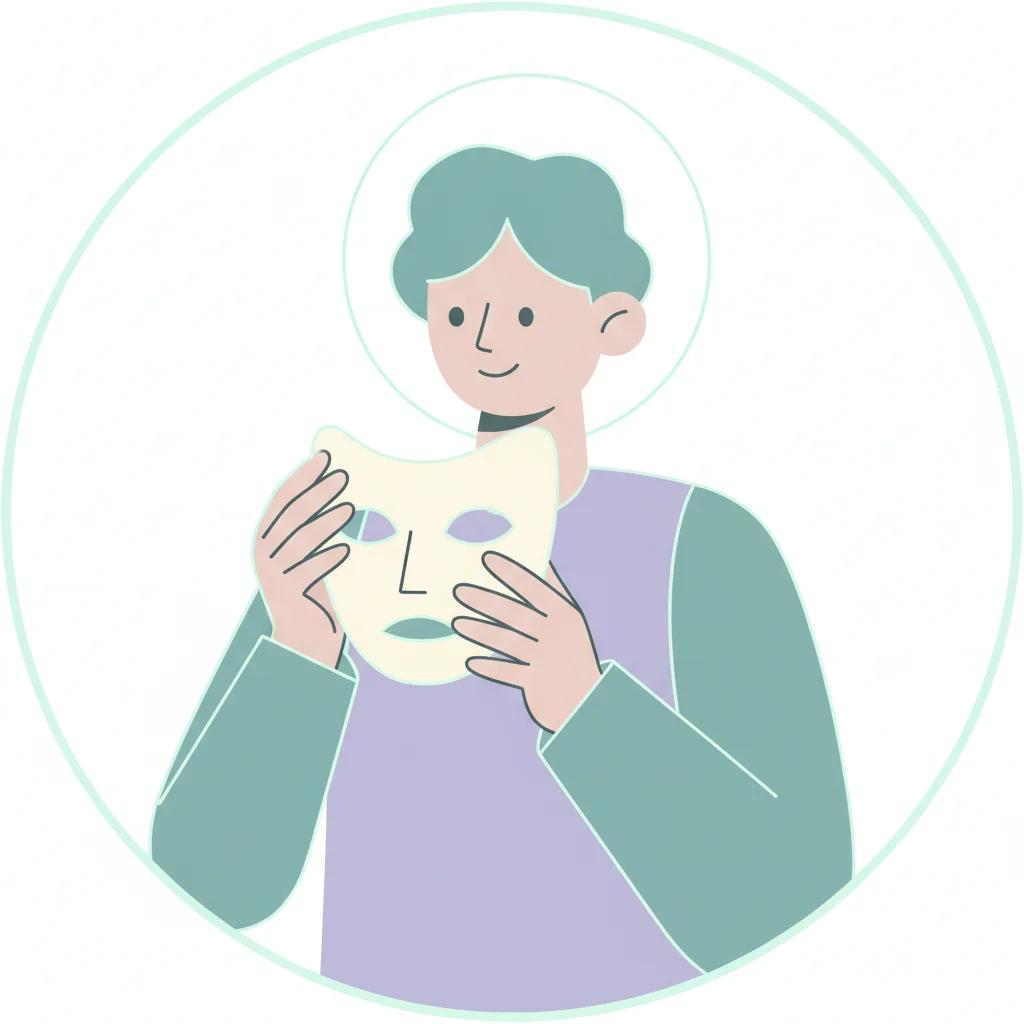
In the modern world, where awareness of neurodiversity is growing, many challenges still exist in fully understanding the autistic experience. One of the most complex is Masking, a process in which autistic people invest immense energy to adapt themselves to neurotypical social norms. This situation is particularly prominent among autistic adults who are considered 'high-functioning', as their successful Masking can conceal internal struggles and lead to misunderstanding, frustration, and even severe Autistic Burnout.
The term 'High-Functioning Autism' often does not reflect the internal reality of the autistic person. It focuses on external aspects of social or occupational adaptation and success, but does not address the emotional, cognitive, and physical cost involved in achieving this adaptation. These individuals develop a wide range of Masking strategies, from imitating social behaviors to suppressing natural autistic characteristics, all to avoid criticism, judgment, or rejection.
Masking and its Impact on Self-Identity
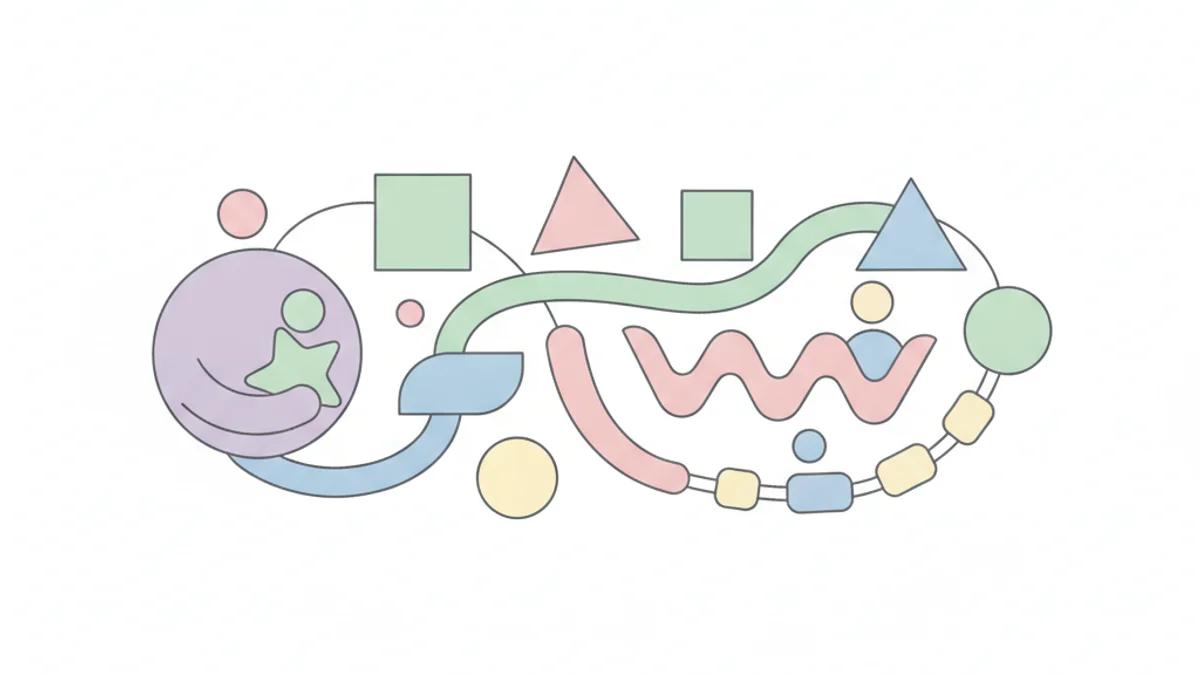
Masking is not an easy or superficial choice, but a survival mechanism often adopted from a young age. As autistic people learn the social 'rules of the game', they may develop several different 'personas' depending on the social context. This behavior, sometimes called chameleon behavior, can blur the lines between the authentic self and the masked persona. Over time, the constant effort to change behavior and speech, maintain unnatural eye contact, or suppress sensory needs, can lead to a deep sense of disconnection from the self and identity confusion.
Many autistic people describe Masking becoming such an integral part of their being that they struggle to know who they truly are without the mask. They find it difficult to distinguish between their true preferences and personality and those adopted to fit into the environment. This situation makes it difficult to develop self-awareness and authentic emotional expression, as internal feelings and sensations are pushed aside in favor of social expectations.
The Hidden Cost of Masking: Burnout and Exhaustion
The effort involved in Masking is enormous, and can be likened to a high-performance race car required to drive slowly in traffic while dealing with speed bumps and frequent stops. The gap between innate abilities and artificial demands leads to chronic exhaustion. Many people on the spectrum describe a constant and unexplained feeling of fatigue, even after many hours of sleep. This is evidence of neurological Autistic Burnout, characterized by a drastic decrease in functional abilities, increased Hyper Sensitivity, emotional dysregulation difficulties, and an increased need for solitude.
Autistic Burnout is not just fatigue, but a deep and debilitating state that can last for months or even years. It stems from prolonged exposure to stressful situations, excessive Sensory Overload, constant Masking, and lack of support and understanding. When an autistic person is in a state of Autistic Burnout, even simple tasks that were previously easily performed become burdensome and impossible. This is a defense mechanism of the body and mind signaling a critical need for rest and recovery.
Implications for Relationships and Communication
Masking also significantly affects relationships. Autistic people may over-exert themselves to 'act normal' in social situations, which can create the impression of a person without difficulties, even when they are experiencing deep internal distress. These attempts can be mistakenly interpreted as disinterest, aloofness, or even dishonesty, leading to ongoing misunderstandings and a feeling of social loneliness. Often, they find themselves analyzing past conversations and challenges long after they occurred, in an attempt to understand what went wrong and improve their future performance.
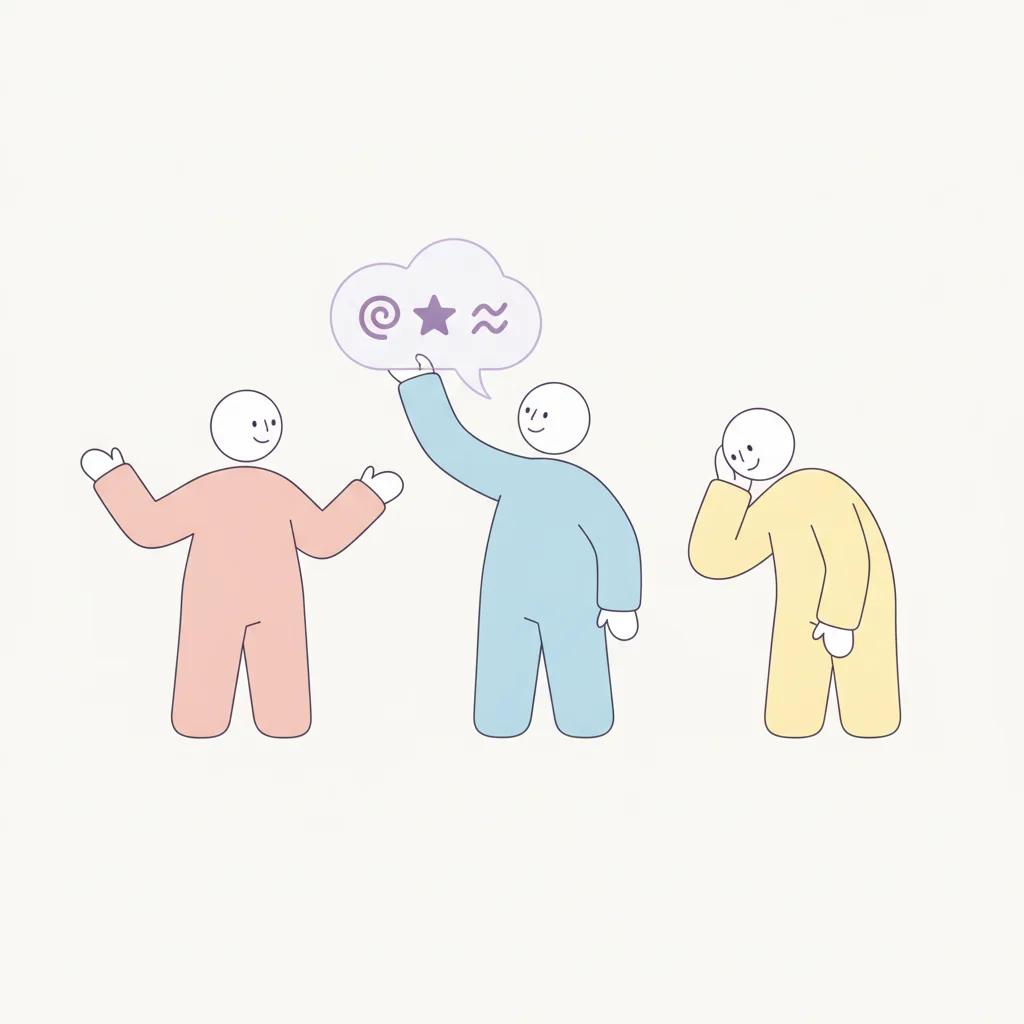
Another challenge is expressed in communication: sometimes, out of a desire to prevent misunderstandings, autistic people tend to 'over-explain' - sending long messages, providing too many details, or elaborating on explanations even when unnecessary. This behavior, stemming from a sincere desire to be clear and understood, can actually create confusion, frustration in the other party, or cause them to perceive the communication as compulsive or intrusive. The challenge lies in finding the balance between clarity and information overload, and understanding different communication expectations.
Late Recognition and Seeking Support
Many autistic adults who have successfully masked throughout their lives only discover their neurodiversity later in life. This discovery, sometimes called 'Adult Autism Assessment', is often a result of their success in Masking, alongside reliance on outdated stereotypes of Autism. When they finally understand their neurological profile, it can be a moment of deep and life-changing self-discovery, allowing them to understand years of experiences and feelings that had no explanation.
This recognition is the first step towards building a more authentic life, where there is room for reducing Masking and accepting unique needs. It opens the door to seeking supportive communities, where understanding and connection can be found with people who share similar experiences. Such spaces, whether online or in-person, provide a sense of belonging and allow for learning more effective coping strategies, and building a supportive environment that values neurodiversity.
Creating an Inclusive and Supportive Environment
To support autistic adults, especially those who have successfully masked, it is of utmost importance to create an inclusive, empathetic, and non-judgmental environment. This begins with recognizing that the 'High-Functioning Autism' observed externally does not negate internal challenges. The focus should be on understanding the person's subjective experience, acknowledging the effort they invest, and offering genuine support tailored to their needs.
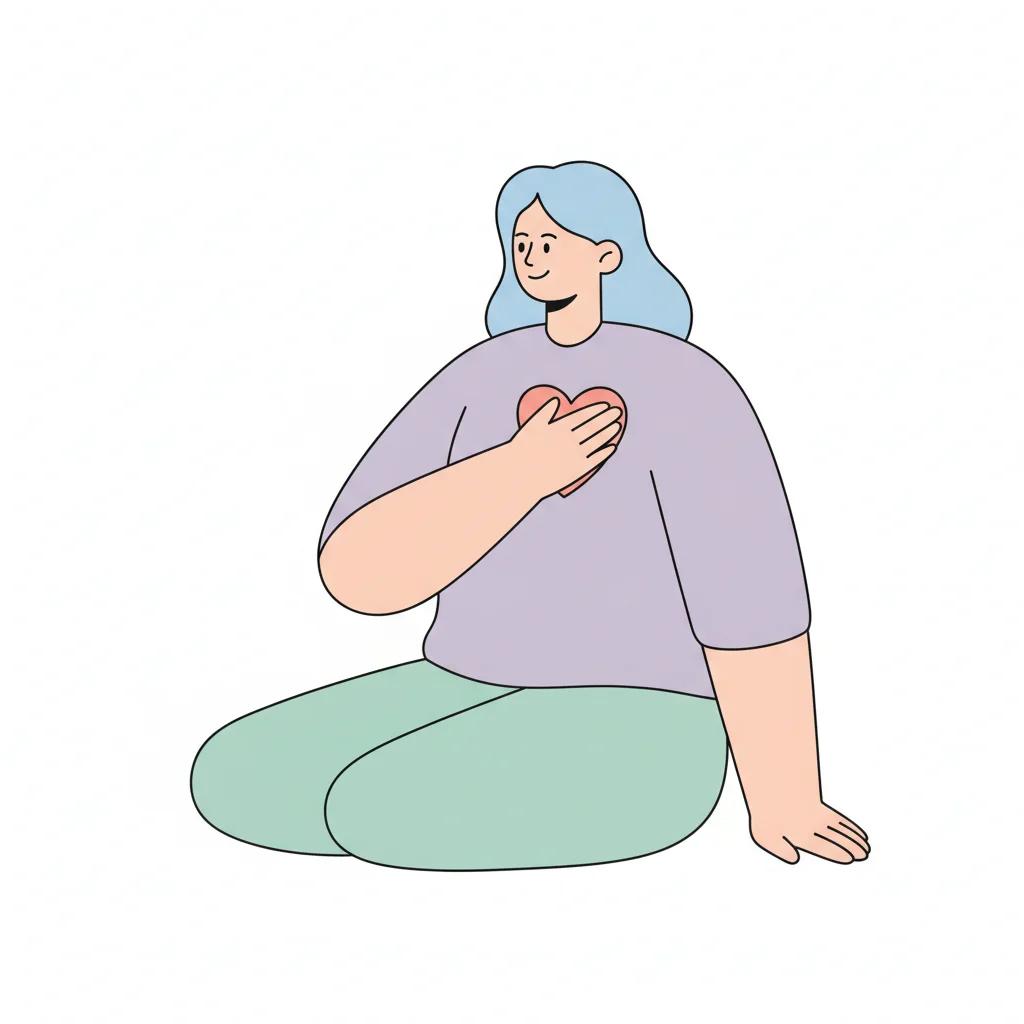
Such an environment will allow autistic people to gradually reduce Masking, express their unique neurological profile, and feel safe to be who they truly are. This includes legitimizing sensory needs, Reasonable Accommodations in workplaces and social spaces, and most importantly - patience and understanding for their unique way of communication and interaction. Ultimately, the goal is to enable every autistic person to live a full, meaningful, and authentic life, while accepting their neurodiversity as an integral part of their identity.