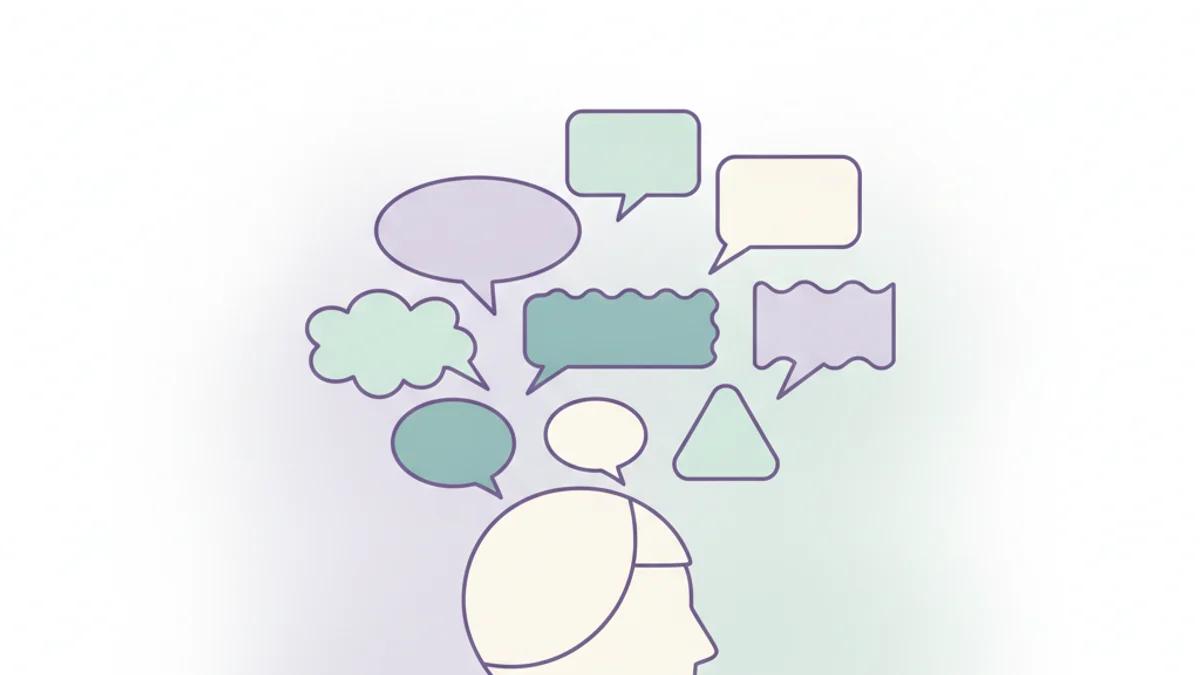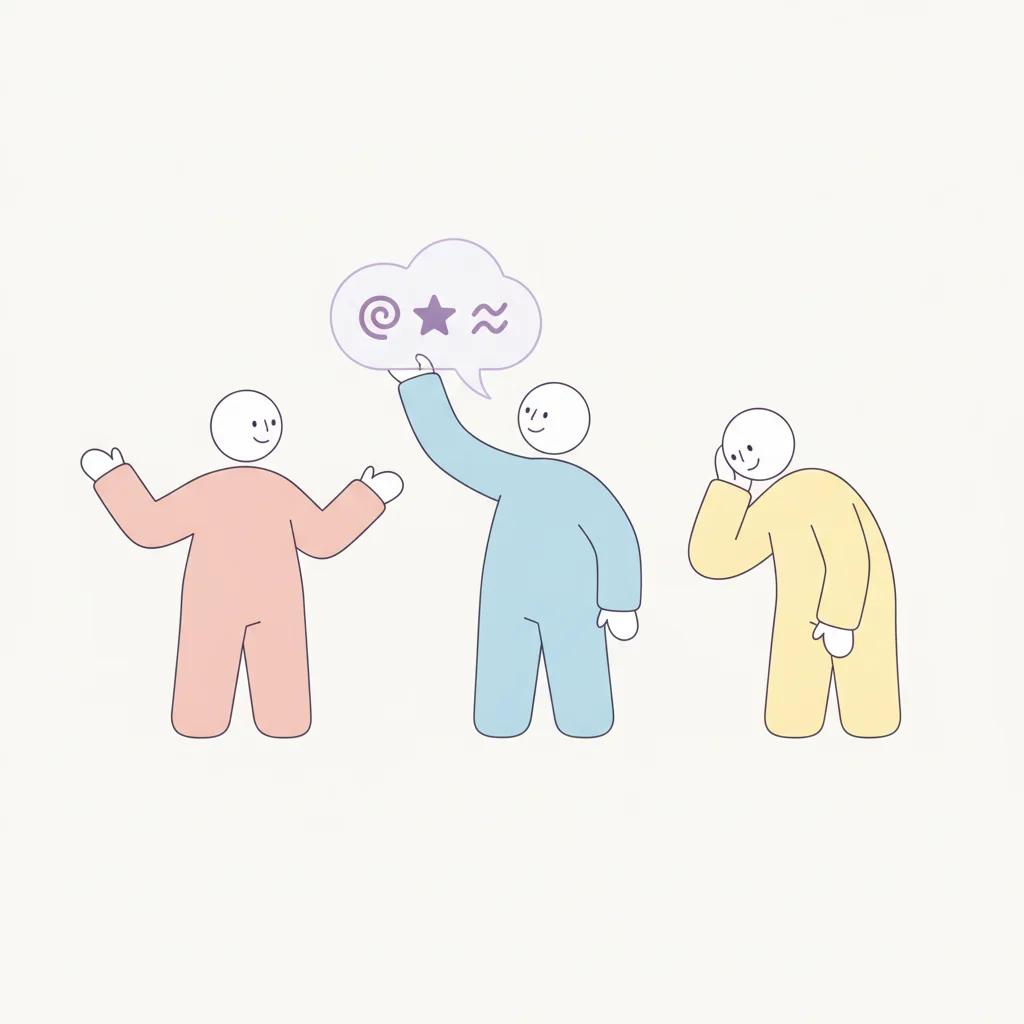
The neurotypical world often expects uniform communication patterns, which may not suit the entire spectrum of human diversity. For neurodivergent people, especially autistic adults, the ways of expressing and understanding information can be incredibly diverse and require an open and inclusive approach. Focusing on the concept of neurodiversity allows us to recognize that Autism is not a deficit or a "disorder" in communication, but rather a characteristic of a brain that functions differently, with its own unique communication styles, which should be respected and understood. This understanding is essential for creating inclusive and supportive environments that allow every person to express themselves fully, thereby empowering their ability to communicate authentically and effectively.
Communication is a cornerstone of the human experience and a central component in building relationships and self-expression, but for many autistic adults, it can pose complex challenges that require an empathetic and conscious approach. Social interactions, spontaneous conversations, and understanding non-verbal cues-all of these are areas where a different neurological profile can manifest in ways that are often misunderstood, potentially leading to feelings of disconnection or frustration. Instead of viewing this as a "difficulty" to be fixed, we aim to illuminate the different ways the autistic brain processes information and communicates, out of deep respect for the personal experiences of autistic people and the vast diversity of their expressive abilities.
The Complexity of Neurodivergent Communication
Preparation and Social Scripting
Many autistic people describe how they invest considerable effort in planning and scripting conversations and social interactions even before they occur, sometimes to the point of likening it to rehearsals for a "premiere." This action, which some might perceive as "overthinking" or a tendency towards dramatics, is actually a crucial cognitive strategy aimed at reducing uncertainty and providing a sense of security and readiness in an unpredictable world. The autistic brain runs "dress rehearsals" to minimize anxiety and ensure effective functioning, making meticulous planning a survival tool rather than a personality flaw, and allowing for better coping with social pressure situations.
The need for social scripts is particularly prominent in situations that require spontaneous conversation, such as casual small talk, where there is usually no predefined content and high flexibility is required. For autistic people, dealing with these conversations demands significant and strenuous cognitive work, as the ability to make real-time decisions and dynamically plan changes in conversation is sometimes affected by their unique Executive Functioning profile. Therefore, memorizing possible responses, planning in advance, or using familiar conversation templates helps to cope with these communication demands and avoid feelings of embarrassment, inadequacy, or Sensory Overload.
Challenges in Social Decoding and Literal Interpretation
One of the main characteristics of an autistic neurological profile in communication is difficulty in perceiving and decoding subtle non-verbal social cues, which are considered intuitive for neurotypical people. Reading facial expressions, understanding tone of voice, or identifying body language can be extremely complex tasks, often leading to misunderstandings in social interactions, where much of the message is conveyed non-verbally. When non-verbal cues are not naturally understood, autistic people may over-rely on the literal interpretation of things, which affects how humor, sarcasm, and figurative expressions are received.
Many autistic people describe how they tend to interpret things in an incredibly literal and precise way, according to their internal logic, which can make it difficult to understand jokes or sarcastic remarks not meant to be taken seriously. For example, when someone says ironically, "What a beautiful day, the traffic is terrible," an autistic person might seriously wonder if the speaker is genuinely happy about the traffic situation, instead of understanding that the intention is sarcasm and a negative description of the situation. This approach, which prioritizes logic, facts, and precision over ambiguity, is part of how the autistic brain functions, and should not be seen as an inability but as a different and unique information processing style.
Masking and its Associated Burnout
Masking, or camouflaging, is a common phenomenon among autistic people, especially among adults who have not yet been diagnosed or were diagnosed later in life. It involves a conscious or unconscious effort to adapt social and communicative behavior to neurotypical norms, to avoid judgment, be accepted by the environment, maintain employment, or simply function in a world not pre-adapted to their needs. This effort includes imitating facial expressions, controlling eye contact, and adjusting speech style, and it requires a high level of energy and cognitive concentration.
The consequences of continuous Masking are significant and include Autistic Burnout, which is a state of deep mental, physical, and emotional exhaustion, and sometimes even loss of skills. Many people describe how, after prolonged social interactions or being in stimulating environments, they experience a "Sensory Hangover" that requires a long time for complete recovery and calm in solitude. This burnout is not laziness or unwillingness, but a direct result of heavy cognitive and sensory load, and it emphasizes the vital need for alone time for recovery and self-regulation.
Complex Communication Profiles: AuDHD and Alexithymia
The Impact of AuDHD on Communication
For many people, an autistic profile and a different attention profile (ADHD) coexist, a condition known as AuDHD, creating an even more complex communication profile. These individuals face challenges stemming from both neurological characteristics simultaneously, which can make it difficult for others to understand their behavior and misinterpret it. On the one hand, there may be a need for longer processing time to understand things and respond, a classic autistic trait, and on the other hand, there can be a tendency for attention difficulties, impulsivity, or rapid and interrupting speech, which are ADHD characteristics.
The combination of the two profiles can manifest in seemingly contradictory ways: a person may need a long pause to process information and respond appropriately, but at the same time struggle to maintain continuous attention throughout the conversation, causing them to "jump" between topics. This phenomenon can be perceived by others as disinterest, indifference, or rudeness, but it is actually an expression of how the brain works under a double load of scanning and buffering. People with AuDHD often need to develop particularly complex strategies to navigate their social interactions, and are often judged for it from two opposing directions.
Alexithymia: Challenges in Emotional Expression
Alexithymia, common among autistic people, describes difficulty in identifying, understanding, and expressing emotions, both in oneself and in others, and can impair the quality of interactions. This condition deeply affects emotional communication, as it is difficult to express what one feels in words, or to distinguish between different emotions, such as anxiety versus anger or joy versus excitement. This difficulty can manifest as a feeling of emotional detachment or emotional emptiness, and makes it difficult to share deep internal experiences with a partner, friend, or family member, which can harm relationships.
The implications of Alexithymia are not limited to the emotional or social sphere alone; it can also affect a person's physical and general well-being. Emotions that are not properly identified or processed can manifest as various physical symptoms, such as recurrent headaches, muscle tension, or chronic fatigue, instead of verbal emotional expression. Therefore, understanding Alexithymia and recognizing it as part of a different neurological profile is crucial for developing appropriate support methods that will enable autistic people to communicate their needs and experiences more effectively, even if not always in words and in the way expected of them.
Supporting and Fostering an Inclusive Communication Environment
Recognizing Unique Needs
To create a truly inclusive communication environment, we must first recognize that there is no single "normal communication model," and that different neurological profiles require different and personally adapted communication approaches. Providing sufficient processing time for autistic people, especially after complex questions or the presentation of new information, is no less critical than the importance of great patience during conversations. Breaks should be allowed for those who need them, and rushing or pressuring for an immediate response should be avoided, as this is the best way to ensure that everyone can contribute to the conversation in their own way and at their own pace.
Valuing direct, clear, and to-the-point communication, without implied cues, cynicism, or unspecified expectations, can significantly reduce misunderstandings and anxiety. When communication expectations are clear, explicit, and open, autistic people can feel more secure expressing themselves without worrying about being misinterpreted or having their message lost. Creating an environment where everyone feels comfortable asking for clarification, detailing their communication needs, or sharing their preferences, is an important fundamental principle for anyone striving to promote true inclusion and improve everyone's interpersonal connections.
Environmental Accommodations and Alone Time
Understanding the immense impact of Sensory Overload on communication ability is critical and directly affects anxiety levels and cognitive capacity. Noisy, overly bright environments, those with strong smells, or those overloaded with visual stimuli can severely limit the ability of autistic people to process information, focus on conversation, and respond appropriately. Therefore, adapting the environment-such as choosing a quiet and calm place for a meeting, ensuring soft and pleasant lighting, or reducing disturbing background noise-can dramatically improve the communication experience and allow for better focus.
Alone time is not a luxury or indulgence for autistic people, but a physiological and essential need for regulation and recovery after intense social interactions or exposure to sensory overload. Providing opportunities for rest, quiet, introspection, and engagement in Special Interests helps recharge batteries and prevent severe Autistic Burnout. Recognizing the importance of this time and supporting individuals in taking it, even if it contradicts neurotypical expectations for regular "social time," is a crucial component in fostering mental and physical well-being and optimal functioning over time.
Developing Personal Tools and Self-Advocacy
Developing alternative means of expression, such as writing, using text messages, email, or visual communication, can greatly empower autistic people and provide them with essential flexibility. These tools offer flexibility and allow individuals to choose the most suitable communication channel for the situation, energy level, or sensory load at that moment. When direct verbal communication is challenging or overwhelming, the ability to use other tools allows them to stay connected, share thoughts and feelings, thereby strengthening their sense of self-efficacy and confidence in their ability to communicate effectively.
Self-advocacy is another powerful tool, where autistic people educate their close environment-family members, friends, and colleagues-about their unique communication profile and associated needs. This includes explaining the need for processing time, the preference for clarity and precision in messages, and how sensory overload affects the ability to communicate and process information. By openly sharing personal knowledge, misunderstandings can be reduced, bridges of mutual understanding can be built, and relationships based on trust and respect can be promoted, where everyone has a place to express their unique and authentic voice fully.
Neurodiversity in communication is a rich and complex aspect of human diversity, inviting us to adopt a broader and more open perspective towards human expression. A deep understanding of unique communication profiles, recognition of their associated challenges, and implementation of support strategies are not merely a matter of adaptation or conformity, but a fundamental way to foster a more inclusive, empathetic, and beneficial society for everyone. By honoring and authenticating the different ways in which people communicate, we build bridges of understanding, promote deep acceptance, and strengthen the sense of belonging and self-worth of every person.
Frequently Asked Questions
Why do autistic people plan conversations in advance?
Planning conversations and social scripts helps reduce uncertainty and anxiety in social situations. It is a cognitive strategy that provides a sense of security and allows for more effective functioning in an unpredictable world.
How does Alexithymia affect emotional communication in autistic people?
Alexithymia causes difficulty in identifying, understanding, and expressing emotions, which makes it hard to share internal experiences. Unprocessed emotions can manifest as physical symptoms, affecting overall well-being.
What is "Masking" and what are its effects?
Masking is an effort to adapt social behavior to neurotypical norms to avoid judgment or gain acceptance. This effort leads to Autistic Burnout, which is deep exhaustion requiring a long time for recovery.
How can one support an autistic person in communication?
Support can be provided by giving processing time, patience, direct and clear communication, and reducing sensory load in the conversation environment. Recognizing unique needs and providing validation are crucial.
How does AuDHD affect communication patterns?
The combination of Autism and a different attention profile creates complex communication patterns, including a need for processing time alongside attention difficulties and impulsivity. This may be perceived as disinterest or slowness, but it is an expression of how the brain works.
Why is alone time important for autistic people?
Alone time is not a luxury but an essential need for regulation and recovery after social interactions or exposure to sensory overload. It helps recharge batteries and prevent burnout, and improves overall well-being.