Understanding Autism in adults requires a fundamental shift in perception, moving away from rigid classifications like "High-Functioning Autism" or "Low-Functioning Autism," towards recognizing the infinite diversity of neurological profiles. The Social Model of Disability and Neurodiversity emphasize that Autism is not a uniform or linear condition, but a broad spectrum of experiences, abilities, and challenges. Every autistic person is unique and special, and their neurological profile expresses a unique combination of traits that vary throughout life and in different contexts, regardless of overall support level. We are invited to look deeply at how this diversity manifests in the lives of autistic adults, and how it shapes their personality, relationships, and contributions to the world, with respect and recognition of neurological diversity.
The outdated perception of Autism as a line on a scale with different "ends" does not reflect the complex reality of the autistic experience in adults. Instead, Autism should be understood as involving a distinct profile of strengths and challenges that combine in a way that looks identical in no two people, even if they share similar characteristics. When we recognize this, we open ourselves to a deeper understanding of each person as an individual, without preconceived expectations or judgments based on general classifications, which sometimes present a partial and inaccurate picture. This approach allows us to focus on the specific needs and unique abilities of each autistic adult, thereby creating a more supportive and empowering environment.
The recognition that neurological diversity is a natural part of human existence, rather than a condition to be "fixed" or "cured," fundamentally changes the perspective. It allows autistic people to find communities where they feel they belong, and encourages society as a whole to create more inclusive spaces. When we focus on individual profiles, we can identify many unique skills and potential contributions that may have been overlooked in general classifications, thereby enriching society as a whole. There are autistic adults who excel significantly in diverse areas of life, and understanding their uniqueness is key to realizing their potential.
The Inner Experience Versus External Behavior
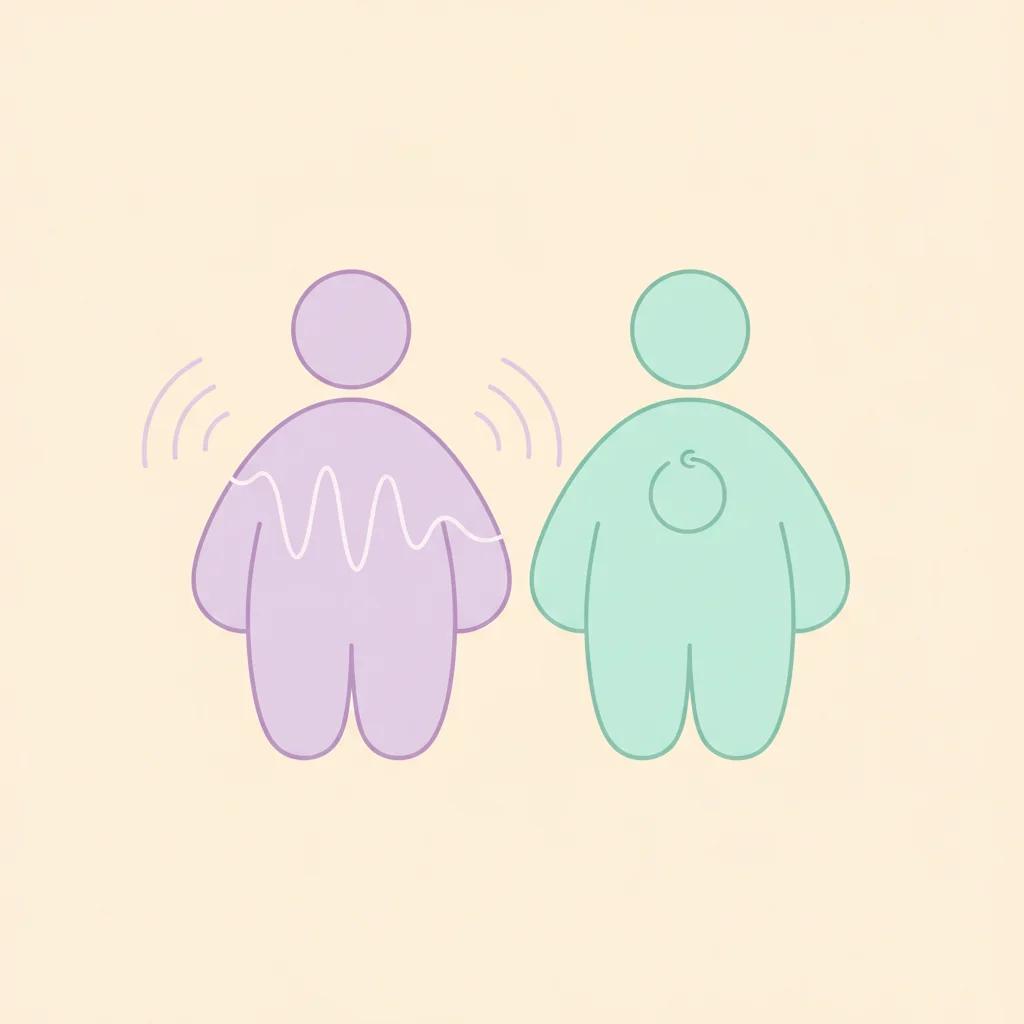
One of the key aspects of understanding Autism in adults is the frequent gap between the rich and complex inner experience and the externally observed behavior. Many autistic people learn, often through conscious and heavy effort, to adapt to social norms through a process called "Masking," which requires enormous cognitive and emotional resources from them. This Masking can include imitating social interactions, controlling Stimming in stressful situations, and hiding Hyper Sensitivity, so as not to stand out or attract negative attention. The ability to Mask often allows for integration into various environments, but it exacts a very heavy emotional and cognitive toll, which is not visible externally.
Many autistic women, for example, develop particularly complex Masking skills, which often leads to a later diagnosis in life, or even no diagnosis at all. These women may describe how they change their personality according to the social context, striving to understand subtle social cues that are not intuitive for them, and controlling their natural self-expressions, to the point of feeling like a "chameleon" or lacking clarity about their true identity. Although Masking can facilitate social integration in the short term, it can lead to Autistic Burnout, anxiety, depression, and a deep sense of loneliness and inauthenticity, when the gap between who they truly are and who they present themselves to be becomes unbearable. The constant coping with the demands of Masking requires enormous energy resources, and is usually not visible externally, making it difficult for others to understand the depth of the difficulty.
The inner experience of an autistic person is often characterized by sensory richness, depth of thought, and high sensitivity, which do not always find appropriate expression in external behavior. For example, there can be a unique Sensory Processing where certain stimuli are experienced with greater intensity or in a different way than usual, or thought processes that focus on patterns and details that others miss, leading to innovative insights. These differences are not necessarily challenges, but an integral part of the individual's identity and often a source of strength. When an autistic person is not forced to Mask, they can express themselves more freely, leading to greater mental well-being and the possibility of developing authentic and deep relationships, based on honesty and trust.
The Spectrum of Neurodiversity: Beyond Linear Models
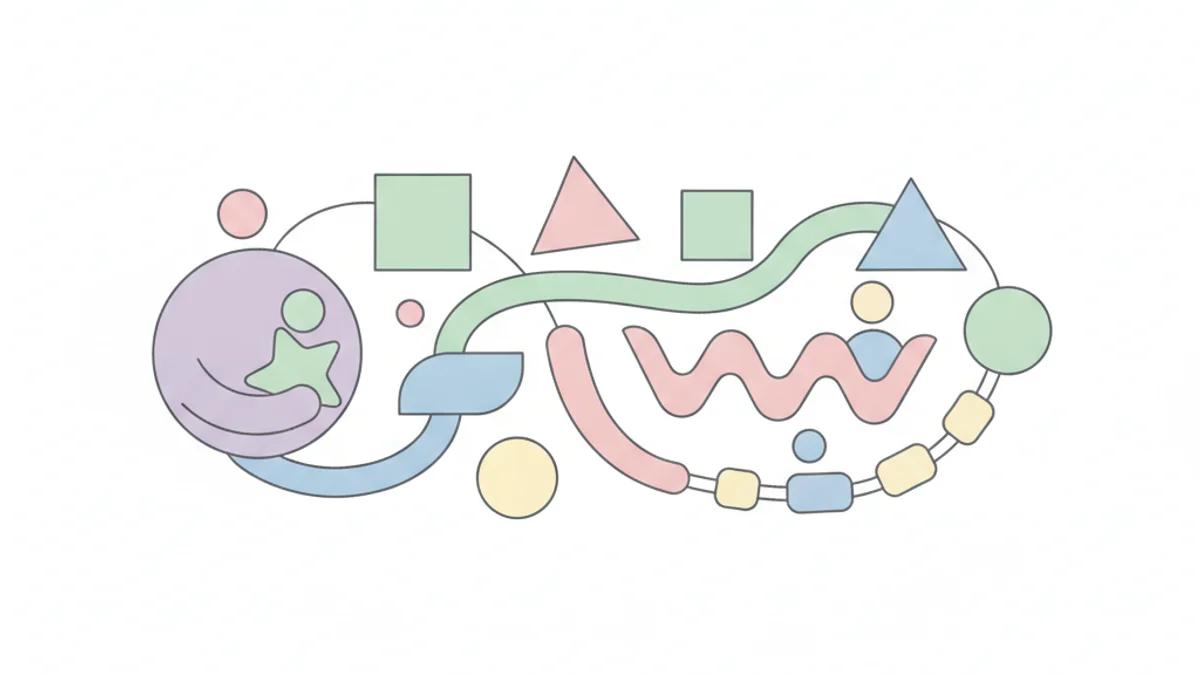
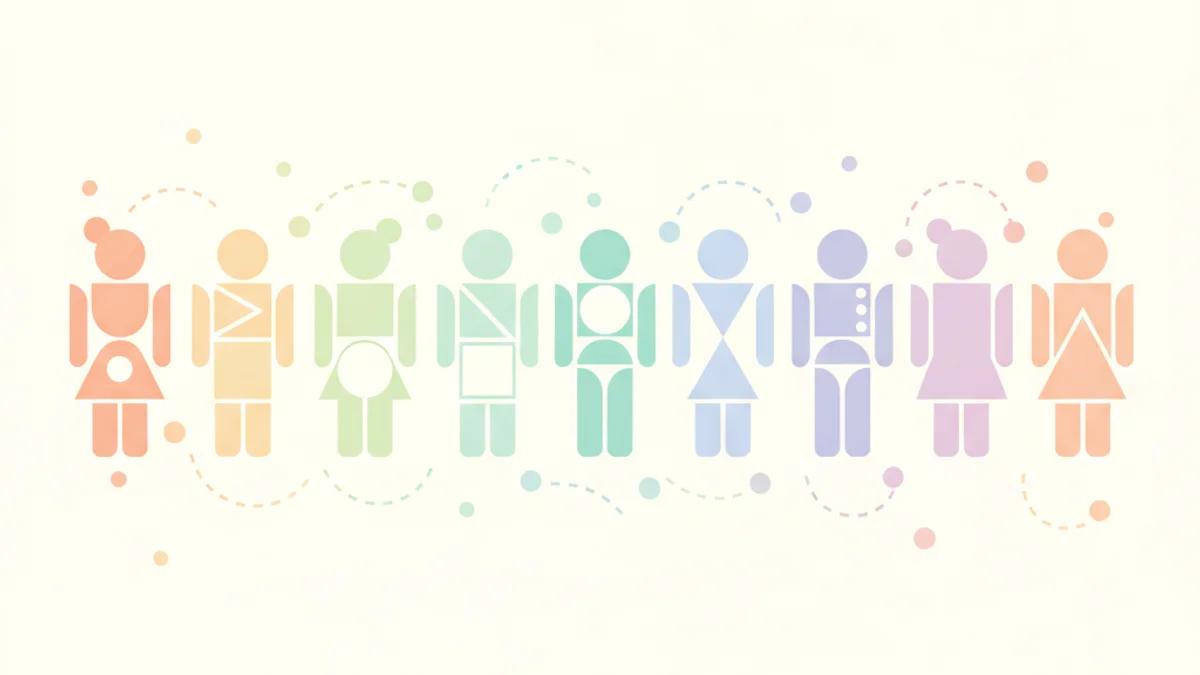
The common image of a "spectrum" as a straight line extending between "High-Functioning Autism" and "Low-Functioning Autism" is misleading and highly inaccurate, and does not reflect the complexity of Autism. The reality is that the Autistic Spectrum is more like a color wheel or a constellation, where each point represents a unique and multidimensional combination of traits, strengths, and challenges, which vary according to context and time. Autistic people differ fundamentally from each other in all areas of life, and what challenges one person can be a distinct advantage for another, and therefore the conclusion is that if you have met one autistic person, you have met only one autistic person. This understanding is essential to provide personalized support and promote true social acceptance.
One of the prominent differences relates to social interaction and communication, which is experienced uniquely by each person. While many of us may find social interactions exhausting, and often prefer the company of an individual or small groups, others actually thrive in social gatherings, provided they occur in a way and under conditions that suit them, without complex social expectations. For example, social gatherings of autistic people are often described as spaces where "small talk is skipped" and they move directly to in-depth conversations about Special Interests, which creates a deeper and faster sense of connection, unlike traditional Neurotypical gatherings. The ability to skip small talk and focus on what truly matters is a trait highly valued within and outside the autistic community.
Even in areas of interest and occupation, the diversity is enormous and fascinating, and often a source of motivation and inspiration. Many autistic people develop Special Interests, which can range from complex academic and professional pursuits to unique and in-depth hobbies that require great attention and concentration. These interests are not just hobbies, but often a source of deep motivation, inspiration, and meaningful career paths, and allow for the development of unprecedented expertise. Deepening knowledge in certain subjects often allows for the development of exceptional expertise and a unique perspective, which benefits both the individual and society as a whole, in bringing innovative and creative solutions. There are autistic adults who excel significantly in fields such as programming, art, science, teaching, and more, and this is a contribution that cannot be measured in ordinary terms.
Sensory and Functional Profiles
Hyper Sensitivity is a key component of the autistic neurological profile for many, but here too there is enormous and individual variation. Some people may be particularly sensitive to loud sounds, flashing lights, or strong smells, which can lead to significant Sensory Overload in certain environments. While others will experience increased sensitivity to certain textures in clothing, or to specific tastes and textures in food. There may also be Hyposensitivity, where a person needs more sensory stimulation to feel it sufficiently, such as a need for constant movement or touch stimulation. Understanding each person's specific sensory profile is critical to creating a supportive and comfortable environment that will allow them to function optimally and avoid Sensory Overload. For example, some people use noise-canceling headphones or wireless earbuds to regulate environmental stimuli, thereby allowing themselves to function better in social situations or noisy workplaces, while maintaining their inner peace.
In the area of Executive Functioning, many autistic neurological profiles show considerable variation, which affects various aspects of daily life. One person may face challenges in planning and organizing tasks, starting new projects, or managing a workload, while another will find difficulty in transitioning between tasks or managing time effectively. However, this variation is often accompanied by other exceptional abilities, such as an exceptionally deep ability to focus on a single task, sometimes called "Hyperfocus," which allows them to enter a state of deep concentration and be exceptionally productive. This ability allows for achieving high levels of productivity and accuracy in specific areas of interest, where they can make a substantial and unique contribution. The understanding that talents in one area can coexist with difficulties in another is essential for acceptance and support.
The idea of Autism as always disabling or imposing general limitations is a myth that must be actively debunked. Instead, we must view autistic functional profiles as requiring Reasonable Accommodations and targeted support to thrive and realize their full potential. When the environment recognizes and respects unique needs - for example, allowing time for recovery after an intense social event or adapting face-to-face communication methods - the autistic person can realize their full potential and feel comfortable being themselves. This is not about "fixing" the person, but about adapting the world to them, and providing opportunities for authentic self-expression.
Unique Strengths: Advantages of the Autistic Neurological Profile
The autistic neurological profile brings with it a wide range of strengths and positive traits, which are often not sufficiently valued in society, or are mistakenly perceived as part of the difficulty. For example, many autistic people are endowed with an exceptional ability to identify patterns and connections that are not visible to others, which allows them to solve problems in creative and innovative ways, based on deep logic and analysis. This trait can be of great value in fields of science, technology, engineering, and art, where out-of-the-box thinking and seeing critical details are key to success. The ability to see the world through a prism of patterns allows for high levels of understanding and analysis, and often leads to groundbreaking insights.
Attention to detail is another common strength among autistic people, and it contributes to great accuracy and thoroughness in work, and the ability to identify errors or inconsistencies that others may miss. While others may focus on the big picture, an autistic person can notice small nuances that have a significant impact on the final outcome. This trait makes autistic people excellent employees in fields requiring meticulousness, such as quality control, research, data analysis, or meticulous editing work, where accuracy is paramount. The commitment to truth and accuracy, alongside the unwillingness to succumb to social pressure, allows them to maintain integrity and their principles in any situation.
Many autistic people are described as honest, loyal, and deeply attentive, preferring sincerity over superficial pleasantries. They may be less influenced by unwritten social norms or group expectations, which allows them to think independently and offer unique and fresh perspectives, which add depth and potential to any discussion. These traits contribute greatly to creating sincere and authentic interpersonal relationships, based on trust and mutual respect, and are highly sought after by those who value depth in relationships. The ability to see people as individuals without judgment based on social status or external expectations is an inspiring trait, which creates a safe space of acceptance.
Navigating the Neurotypical World
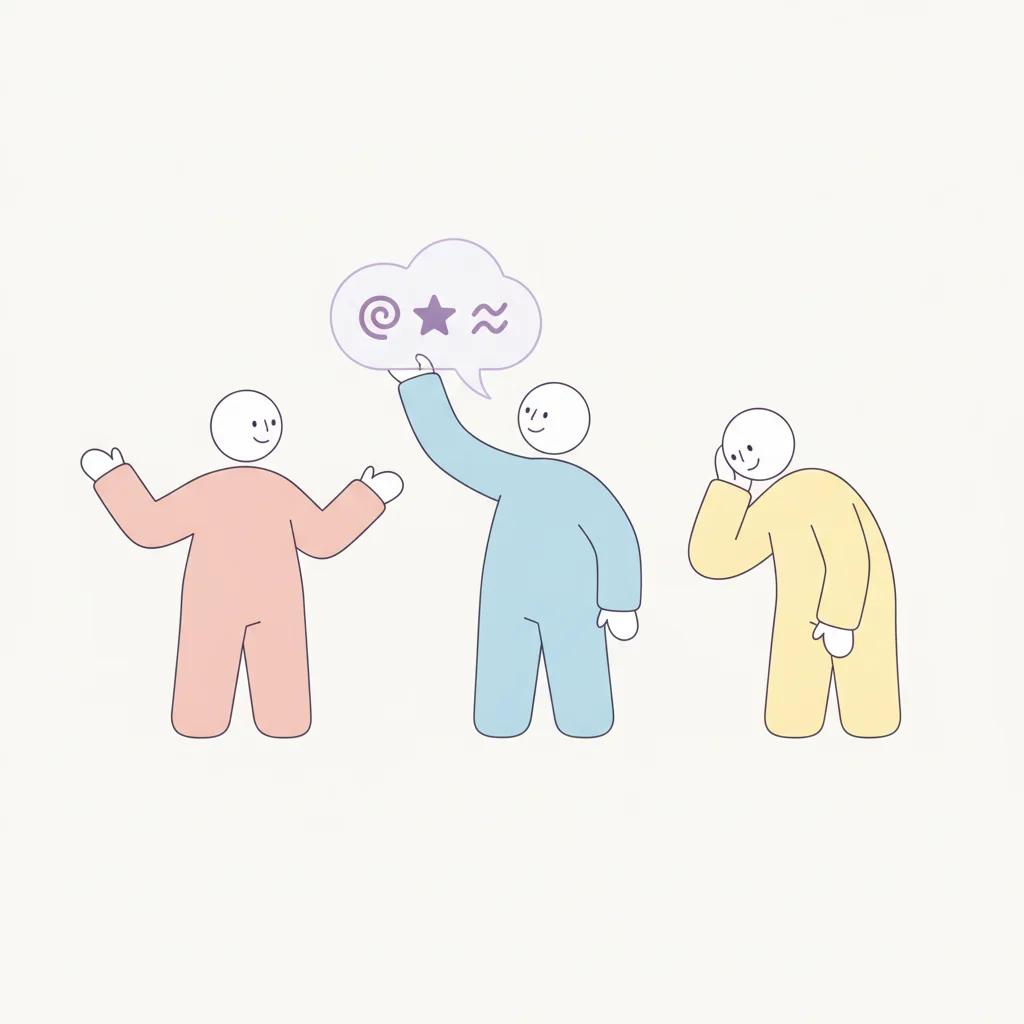
Navigating a world largely designed for Neurotypical people presents unique challenges for autistic adults, requiring significant adaptation and effort from them. Communication misunderstandings are common, and often stem from fundamental differences in communication styles, where an autistic person may prefer direct, explicit, and factual communication, while others expect indirect cues, mind-reading, or the use of complex non-verbal social markers. This gap can lead to mutual frustration, but with understanding and a mutual desire to learn, it can be bridged by adapting communication methods for both sides, and increasing clarity. Presenting information explicitly and clearly, for example, can prevent many misunderstandings and improve the flow of interaction.
Autistic Burnout is a state of extreme fatigue and exhaustion, both physical and mental, resulting from continuous and intense effort to adapt to the demands of an environment that is not suited to the person's unique neurological needs. It is characterized by a drastic decline in functional abilities, a loss of skills acquired over time, and an exacerbation of autistic traits, such as Hyper Sensitivity or social difficulties. To prevent burnout, it is important for autistic people to learn to identify their limits, set clear boundaries in social and work environments, and ensure sufficient rest and recovery, including quality time alone. Time management that combines periods of deep focus with necessary rest time is critical for maintaining well-being and preventing collapse.
Creating meaningful social connections is a natural desire for most human beings, and autistic people are no exception, although the path to them can be complex and different. However, the way to create these connections can be different from the norm. Many describe preferring relationships based on shared interests or joint activities, rather than "small talk" devoid of content, which is perceived as unnecessary effort. Finding supportive communities, whether in face-to-face meetings or in dedicated online spaces, can have a tremendous impact on a person's sense of belonging and mental well-being. These communities provide a safe space for self-expression and mutual support, where one can be authentic without fear of judgment.
The Importance of Acceptance and Understanding
The journey to understanding an autistic person's unique neurological profile, whether it is a personal journey of self-discovery or related to understanding close people, is a journey of continuous discovery and acceptance. Identifying Autism as a distinct neurological condition, rather than a "disorder" to be "fixed" or overcome, dramatically changes the perspective and the supportive approach. Instead of striving for "normalization" or pushing for integration at all costs, we strive for self-acceptance and acceptance of others, and to provide the necessary support so that everyone can thrive in their unique and authentic way. Autism is an integral part of a person's identity, and is not something to be ashamed of or to hide, but a rich part of human diversity.
Developing self-awareness is one of the most powerful tools available to autistic people, and it is critical for living full and quality lives. The ability to identify inner feelings, understand the causes of stress and burnout, and know the best ways to self-regulate, allows a person to manage their life more proactively and avoid exhausting situations. This knowledge enables them to choose work and social environments that support their neurological well-being, and to make conscious decisions about how they exist in the world, according to their true needs. Self-awareness serves as a shield against external misunderstandings and as an internal strengthening of the authentic self, providing greater confidence.
Finally, promoting greater understanding and acceptance in society is a necessary condition for creating a more inclusive world for autistic people, and this is an ongoing process that requires patience. The better society understands Neurodiversity and the unique needs that accompany it, the more opportunities will be created for true and meaningful inclusion, which is not based on absolute conformity but on respect for diversity. This includes Reasonable Accommodations in the workplace, in educational institutions, and in social spaces, so that autistic people can contribute their full abilities. Autism is not a limitation, but a different form of existence, with unique ways of thinking, perceiving, and interacting, which deserve recognition and appreciation, all without regard to the old labels of "types of Autism" that were customary in the past, but with a focus on the whole person and their diverse profile.
Frequently Asked Questions
Why is it important to talk about "neurological profiles" instead of "types of Autism"?
Using "neurological profiles" recognizes the immense diversity among autistic people and moves away from rigid and limiting classifications. It emphasizes that each person is unique and special, and allows for better adaptation of support and resources to their unique needs.
What is "Masking" and how does it affect autistic adults?
Masking is a conscious effort to adapt autistic behaviors to social norms, such as imitating social interactions. It can lead to Autistic Burnout, anxiety, and a sense of inauthenticity, especially among adults who have coped with this demand for many years.
Is Autism always accompanied by Hyper Sensitivity?
Hyper Sensitivity is a common characteristic, but it varies greatly among autistic people. Some are hypersensitive to certain stimuli, while others may experience Hyposensitivity, all depending on their specific and unique neurological profile.
What unique strengths may be associated with an autistic neurological profile?
These strengths often include exceptional attention to detail, the ability to identify complex patterns, logical and creative thinking, honesty, loyalty, and the ability to Hyperfocus on specific Special Interests leading to expertise.
How can Autistic Burnout be prevented in adults?
Preventing burnout requires recognizing personal limits, setting clear boundaries in social and work environments, and regularly scheduling rest and recovery time. It is important to find supportive environments that recognize the person's unique needs and allow them sufficient rest.