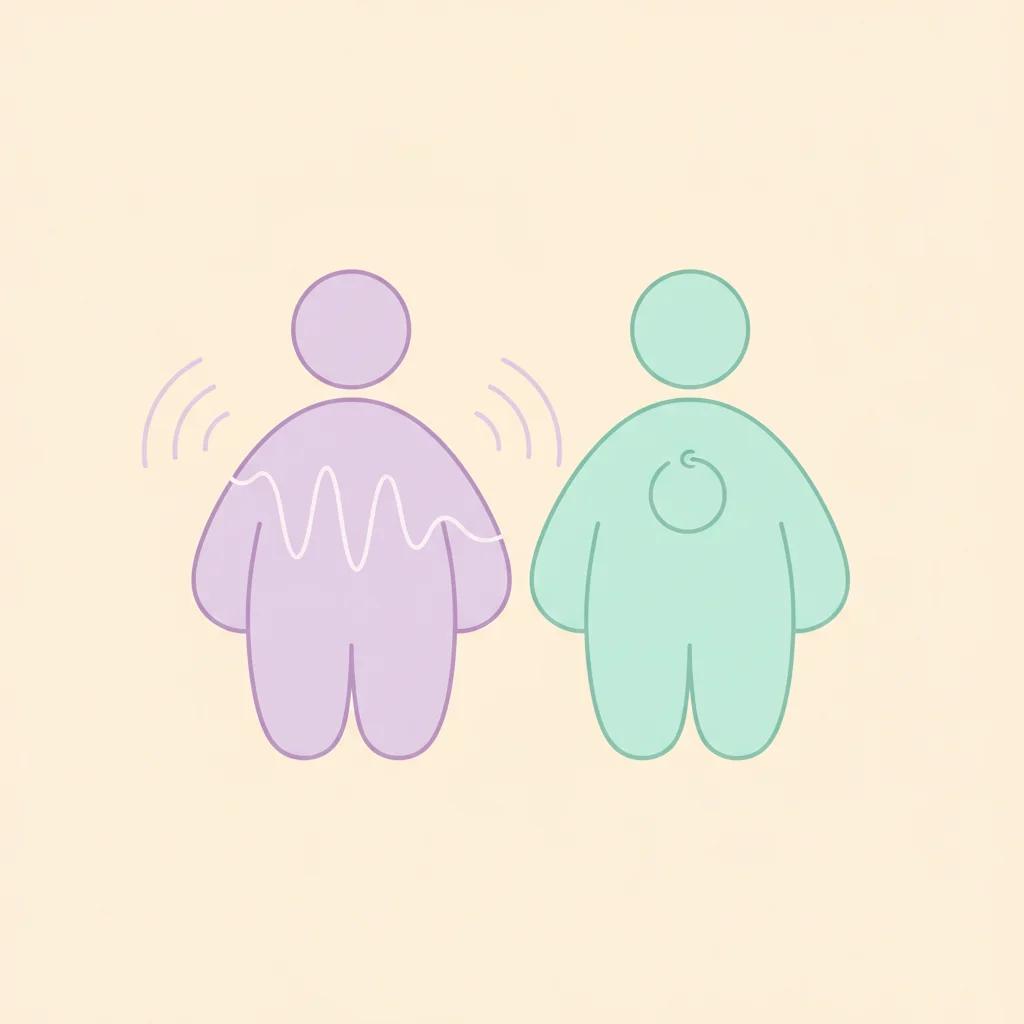
The intersection of Autism and ADHD, a condition known as AuDHD, presents a complex and rich neurological profile, encompassing characteristics from both neurological profiles. For many adults, this understanding often comes later in life, after years of feeling like they were "failing" to navigate the world, when in fact they were operating two complex operating systems simultaneously. This feeling of managing different systems at once can be exhausting and confusing, making the identification of AuDHD a significant turning point. Growing awareness and a deeper understanding of AuDHD are essential for these individuals, so they can identify their unique needs and find appropriate support. Recognizing combined Autism and ADHD allows for a new perspective on life experiences, the development of strategies for more fulfilling lives, and the fostering of self-acceptance and a sense of belonging.
What is AuDHD and How Does it Manifest?
AuDHD describes a condition where Autism and ADHD coexist in the same person, a phenomenon that research indicates is significantly more prevalent than previously thought. These two neurological profiles, each with its unique characteristics, are not degrees or types of a "disorder" but rather expressions of natural Neurodiversity, reflecting different ways of processing information and experiencing the world. When they coexist, their characteristics can influence each other in complex ways, creating a clinical picture different from that of each profile separately, and often making accurate identification difficult. Many autistic people describe having AuDHD characteristics without recognizing the connection between the two for many years, leading to frustration and ongoing difficulties in navigating daily situations. Understanding the unique meeting point between Autism and ADHD is the first step towards self-acceptance, adapting the environment, and seeking targeted support that addresses these complex needs.
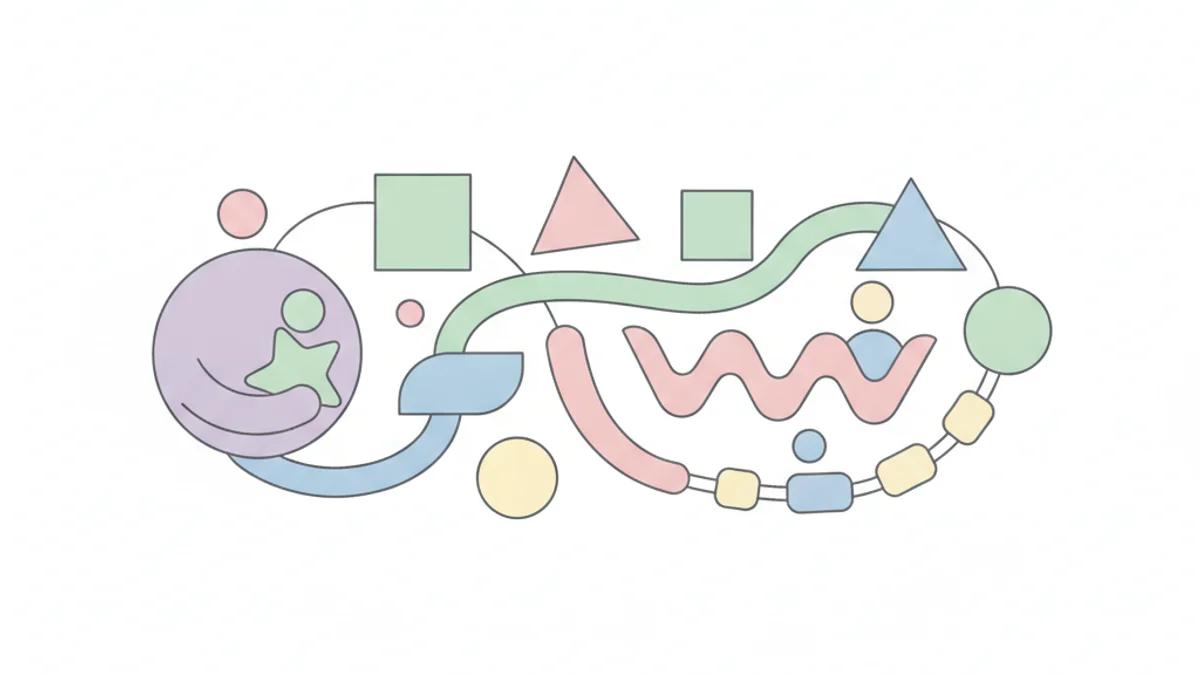
AuDHD characteristics can manifest as internal contradictions experienced as a "tug-of-war" in the brain, varying in intensity and frequency. For example, there can be an intense desire for routine and order, stemming from the autistic need for predictability and uncertainty reduction, but at the same time, an immense difficulty in maintaining it or even an intense urge to escape from it once it's established, a distinct characteristic of ADHD. These contradictions are not laziness or unwillingness, but rather a result of the simultaneous operation of two neurological profiles with opposing or different needs, leading to a feeling of being stuck and constant pressure that affects many aspects of life. For an AuDHD person, both the external and internal worlds become a constant battleground with conflicting demands, requiring mental flexibility and creative approaches to daily management. Identifying combined Autism and ADHD provides a language for better self-understanding and allows for the development of tools and strategies that accommodate this complexity, thereby easing the navigation of life's intricacies.
Social Challenges in AuDHD
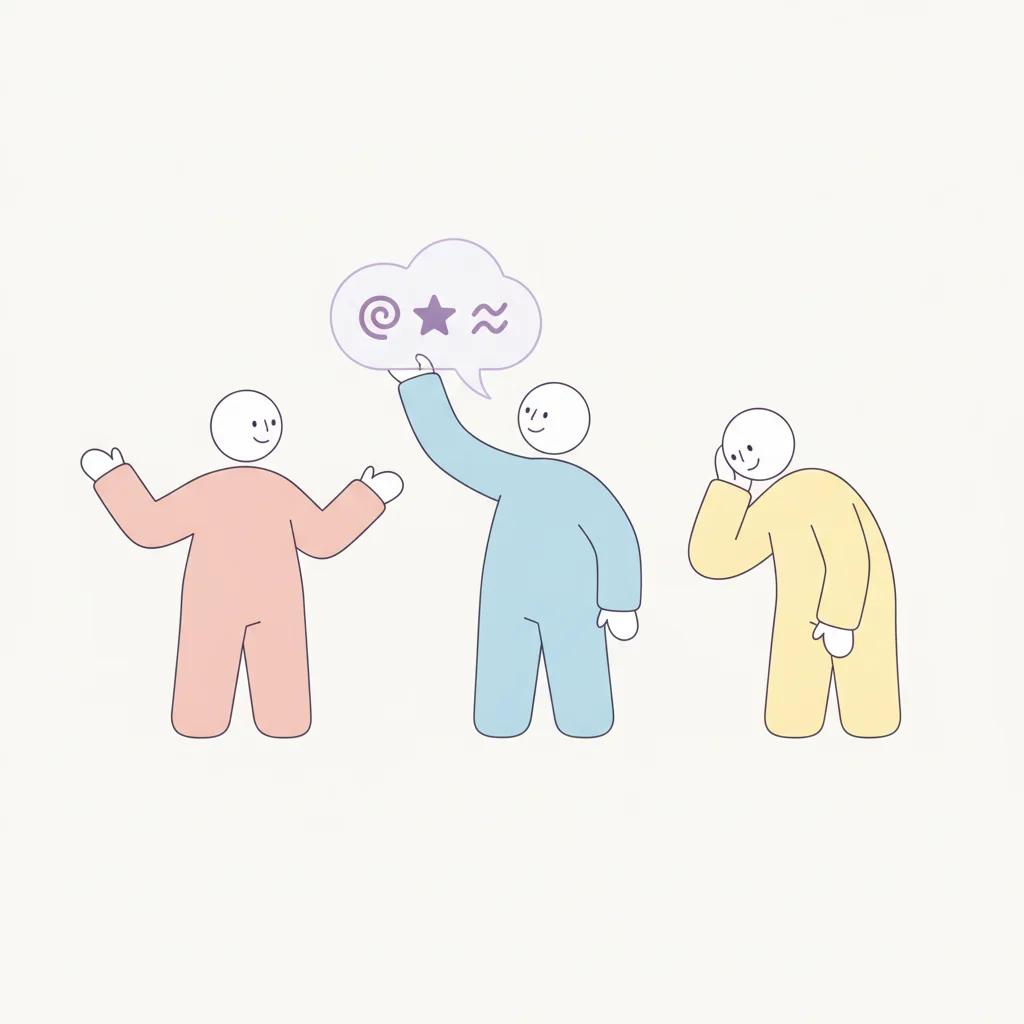
Social challenges for AuDHD people involve a double complexity, where difficulties in social interaction stem from a unique combination of characteristics from both profiles. On one hand, ADHD characteristics can manifest as interrupting conversations, rapid speech, difficulty maintaining a train of thought, or missing social cues due to uncontrollable attention shifts. These difficulties often lead to a feeling of inadequacy or difficulty following spontaneous conversations, which can be perceived as a lack of interest or listening by the speaker, thereby harming social connections. On the other hand, autistic characteristics manifest as a need for longer information processing time, difficulty understanding implied meanings, complex humor or sarcasm, discomfort with eye contact, and being perceived as blunt or emotionless by others, even when the intentions of autistic people are good. The tendency for Literal Thinking in Autism can cause cynical or humorous remarks to be interpreted literally, creating misunderstandings and repeated frustration in daily conversations.
For an AuDHD person, the brain is in a constant state of simultaneous scanning and filtering; it tries to follow the details of the conversation and also process the deeper meanings, which causes response delays that others may mistakenly interpret as disinterest, opposition, or rudeness. This state leads to a constant feeling of cognitive overload during social interactions, even the simplest ones, which is experienced as exhaustion. Autistic people often describe an immense effort to manage the impression they create, to pretend they understand unwritten social rules, and to engage in "Masking" or "Camouflaging" their unique characteristics. This effort drains a lot of their energy over time and leads to deep social exhaustion, even after seemingly enjoyable interactions, and even after short, everyday encounters. The difficulty in spontaneous communication and reading social cues stems from unique characteristics of Executive Functioning, which affect real-time decision-making and the smooth planning of evolving conversations. Creating mental scripts for future conversations is a common strategy, but even this does not guarantee success given the unpredictable nature of most social interactions, leading to repeated frustration. Mutual understanding and patience from the environment can significantly alleviate these AuDHD challenges, allowing for more honest and authentic communication.
Executive Functioning Challenges and Uneven Output
Executive Functioning challenges are at the core of difficulties for AuDHD people, profoundly affecting the ability to plan, organize, manage time, and perform daily tasks consistently and efficiently. ADHD characteristics typically manifest as difficulties with initiation, maintaining focus, impulse control, and transitioning between tasks, which can lead to inconsistency in task performance and chronic procrastination. The inability to start tasks or stay focused for extended periods affects all areas of life, from simple household chores to complex professional projects. Autism adds to this a tendency for rigid thought patterns, difficulty with unexpected changes, and a need for order and predictability, which creates immense internal tension when environmental demands contradict this need. When a structured plan is disrupted even slightly, many AuDHD people describe a need to "restart" their entire day, as the deviation from the original plan makes continuation impossible.
AuDHD people often experience difficulty maintaining a consistent path or meeting goals, even in tasks they find highly engaging, which can cause great frustration, stress, and damage to self-esteem. Uneven output is a particularly common characteristic, where periods of intense focus and high productivity, sometimes called "Hyperfocus," are replaced by periods of significant difficulty performing even the most basic tasks, reflecting the constant struggle for regulation and balance. Working memory and impulse control are significantly impaired, making it difficult to perform complex tasks that require multiple steps or attention to detail. For example, the ability to plan a complex meal or a long work project becomes an almost impossible challenge, despite existing willingness and intellectual ability. These difficulties are particularly highlighted in work environments that do not provide flexibility or understanding for unique neurological needs, leading to underemployment or difficulty maintaining employment. Understanding the connection between Autism and ADHD and Executive Functioning challenges is critical for developing supportive strategies.
Sensory Sensitivity and Sensory Overload
Sensory sensitivities are a core characteristic of Autism, but they take on an additional dimension of complexity when Autism and ADHD coexist. Autistic people often experience Hyper Sensitivity or Hyposensitivity to various stimuli such as light, sound, touch, smell, and taste, which vary in intensity and form from person to person. In AuDHD, the irregular attention and distractibility of ADHD can exacerbate the sensory experience, as the brain struggles to filter out irrelevant stimuli or focus on one stimulus, leading to Sensory Overload more easily. For example, a slight refrigerator hum or crowd noise in a busy environment can be perceived as unbearable and physically painful, even if others do not notice them at all, because the brain struggles to ignore them.
This Sensory Overload can lead to a "Sensory Hangover" - a feeling of complete exhaustion after prolonged exposure to stimulating environments, even if the person managed to function at the time due to immense physical and mental effort of Masking. Common symptoms of a Sensory Hangover include headaches, irritability, restlessness, and a complete system collapse, forcing the person to withdraw. The result is an intense need for quiet time and solitude to recover and regroup, which is essential for survival and regulation for AuDHD people, and is not perceived as laziness. Difficulty with temperature regulation, for example, is another common sensory characteristic in Autism, adding to the complexity of the sensory experience and affecting the ability to function in different environments. Understanding and acknowledging these sensitivities are crucial for adapting living and working environments, and allowing these individuals to experience less overload and function better.
Emotional Dysregulation and Anxiety
Emotional regulation is a significant challenge for AuDHD people, where the combination of autistic and ADHD characteristics can amplify feelings of anxiety, stress, and intense difficulty in managing emotions. Intolerance of uncertainty is a prominent characteristic in Autism, where the need for detailed planning and prediction of events serves as a central coping strategy to reduce anxiety. In contrast, impulsivity and inattention characteristic of ADHD can lead to unpredictable situations or mistakes, which in turn trigger autistic anxiety and undermine the sense of security. Many people describe situations where they experience intense and uncontrollable emotional fluctuations, difficulty identifying and expressing emotions (Alexithymia), and a constant feeling of the nervous system being under high tension and ready to react. Alexithymia can cause intense emotions to manifest as physical symptoms, as it is difficult to identify their emotional source.
Social anxiety, fear of failure, and low self-esteem are common manifestations, fueled by the constant effort to live in a world not adapted to their unique neurological profile, as well as negative social interpretations of their functioning. These situations can lead to deep feelings of self-hatred, feeling like a burden on others, and persistent mental exhaustion, as many autistic people describe. These feelings are not necessarily related to difficult life events, but rather to the cumulative burden of navigating daily life with AuDHD. The autistic brain tries to reduce uncertainty through detailed planning, but ADHD characteristics undermine this ability, creating an endless loop of anxiety and frustration. Understanding that emotional dysregulation is part of the AuDHD neurological profile, and not a personal failure, is critical for developing self-compassion and seeking appropriate support.
Masking and Burnout: The Double Cost
Masking and Autistic Burnout take on a particularly complex dimension in AuDHD people, as they constantly try to adapt to the dual demands of their two neurological profiles and social expectations, while suppressing natural characteristics. Masking refers to the conscious or unconscious effort to hide autistic or ADHD characteristics to fit in and avoid social judgment or rejection, but this act consumes enormous amounts of mental, emotional, and physical energy, leading to chronic exhaustion. AuDHD people describe feeling like they are running "two operating systems" simultaneously - one to function "as expected" and the other to manage internal neurological needs - which dramatically increases mental and physical load. The constant effort to live "normally" in an environment not adapted to their needs is a crucial factor in burnout.
Autistic Burnout, which is a state of intense mental, physical, and emotional exhaustion, can manifest as a loss of acquired skills, decreased motivation, and even difficulty performing basic daily tasks, such as maintaining personal hygiene or preparing meals. Unlike general burnout, Autistic Burnout stems from the constant demand to cope with sensory, social, and functional challenges in an unadapted environment, leading to a feeling of inability to recover for a prolonged period. Often, it is difficult to distinguish between burnout and depression, but Autistic Burnout is directly related to the burden of existing as AuDHD in a Neurotypical world, and it requires unique recovery strategies that include deep rest and reduction of environmental demands. Complete loss of motivation is a key characteristic of burnout, preventing the person from performing even activities that were previously enjoyable or important to them, leaving them feeling helpless. Understanding the double effort involved in Masking and the mental cost of AuDHD burnout is essential for providing empathetic and effective support.
The Diagnostic Journey and Misconceptions
The diagnostic journey for AuDHD people is complex, often leading to a late Autism diagnosis, especially when ADHD characteristics are more prominent and initially attract attention. Studies indicate that when ADHD is diagnosed before Autism, Autism is identified significantly later, if at all, a phenomenon known as "diagnostic overshadowing." This is because characteristics such as attention difficulties, hyperactivity, and impulsivity can be perceived as an explanation for all the difficulties the person experiences, while unique autistic characteristics remain unidentified or misinterpreted. These difficulties are particularly prominent among women and girls, who often present autistic characteristics differently from accepted stereotypes, leading to even longer delays in diagnosis and even a complete lack of diagnosis. In many cases, women are diagnosed later in adulthood with AuDHD, after years of quiet struggle and a feeling of "difference" or "mismatch" without understanding the reason.
A lack of understanding of the intersection of Autism and ADHD in healthcare and education systems means that many people spend long years without the correct language to describe their experiences, without appropriate support, and without full self-understanding, which leads to frustration and despair. A diagnosis that does not identify the full picture can lead to partial treatment, focusing only on one aspect of the neurological profile, and therefore not being effective enough. The late diagnostic process can also be a source of frustration and regret for lost years, but also a significant turning point for self-understanding and acceptance, and open the door to a supportive community and relevant knowledge. Recognizing the complexity of AuDHD and the diversity of its manifestations, especially among adults, is the first step towards more accurate diagnosis and more comprehensive support.
Strategies for a Fulfilling Life with AuDHD
A fulfilling life with AuDHD requires the development of conscious and personalized strategies that recognize and respect the unique neurological profile, and address both the challenges of Autism and the challenges of ADHD. Quality time alone is critical for self-regulation and recovery after social interactions, Sensory Overload, or functional demands, and allows autistic people to recharge their energy regularly. Engaging in Special Interests provides deep joy, a sense of purpose, and an outlet, and is a highly effective way to reduce stress, sensory regulation, and connect to a sense of belonging. Developing tools for emotional regulation, such as focused mindfulness practice, identifying personal relaxation methods, or creating a self-care routine, can significantly help in coping with emotional fluctuations and anxiety, and instill a sense of control. It is important to remember that even a short and simple mindfulness practice can be beneficial, and complex meditation is not necessary.
Clear and direct communication with close contacts, including family and friends, about unique needs - for example, requesting response processing time, or the need to avoid certain sensory stimuli - can reduce misunderstandings, prevent mutual frustration, and strengthen relationships based on trust and honesty. Creating as structured and predictable an environment as possible, while developing some flexibility to cope with inevitable changes, can help manage Executive Functioning challenges. Using digital aids, visual schedules, or personalized organizational systems can improve efficiency and reduce mental load. Understanding Autism and ADHD as an integral part of who the person is, rather than a "defect" to be fixed, is the cornerstone of a full and balanced life. This self-acceptance allows autistic people to build more authentic lives, based on recognizing their unique strengths and effectively managing challenges. Professional support tailored to AuDHD, which recognizes both neurological differences, can be an invaluable resource on this journey.
Conclusion: Living Authentically with AuDHD
AuDHD is simply an expression of rich and complex Neurodiversity, presenting a unique set of challenges but also fascinating strengths, allowing individuals a unique and creative perspective on the world. Understanding the intersection between these two neurological profiles allows AuDHD adults to develop a deeper understanding of themselves, their needs, and the best ways to support their mental and physical well-being. Through learning, acceptance, and implementing personalized strategies, life with AuDHD can be navigated in a way that empowers unique advantages and reduces the impact of challenges, while minimizing the effort involved in Masking. The journey to self-understanding and acceptance is an ongoing one, but it holds immense potential for full, meaningful, and personalized lives in the complex world we live in. It is important to remember that every AuDHD person is unique, and their path to living authentically will be different and special.
Frequently Asked Questions
What is AuDHD and how is it different from Autism or ADHD alone?
AuDHD describes a condition where Autism and ADHD coexist, and the combination creates a unique neurological profile with characteristics that influence each other, unlike the existence of each one separately. AuDHD people experience challenges and advantages not found in Autism alone or ADHD alone.
Why is AuDHD often diagnosed later in life?
Late AuDHD diagnosis may occur when ADHD characteristics are more prominent and mask Autism (diagnostic overshadowing), or due to a lack of understanding of both neurological differences simultaneously, especially among women and girls, whose characteristics may be less prominent.
How does AuDHD affect social interactions?
Social interactions become more complex due to a combination of attention difficulties and impulsivity from ADHD with a need for information processing time, difficulty understanding social cues, and discomfort with eye contact from Autism. This combination can lead to a feeling of overload and social exhaustion.
What is "Autistic Burnout" in the context of AuDHD?
Autistic Burnout in AuDHD is intense mental, physical, and emotional exhaustion caused by the constant effort to simultaneously manage the characteristics of Autism and ADHD and meet the expectations of the Neurotypical world. It can manifest as a loss of skills and difficulty functioning.
What strategies can help AuDHD people live better?
Strategies include ensuring quality time alone, engaging in Special Interests, developing tools for emotional regulation, clear communication with others, and creating a structured and supportive environment. Self-acceptance and understanding that AuDHD is part of who the person is, not a failure, are essential.