
Autism and Depression: Increased Risk and Coping
Autism and depression are linked to an increased risk of similar symptoms. Learn about the differences between Autistic Burnout and clinical depression, and effective coping strategies.
A critical, scientific, and ethics-based review of various existing therapies and interventions. From social skills groups to emotional therapies (like CBT and its adaptation for autism) or sensory integration. We will learn to distinguish between therapies aimed at "taming" and enforcing normalcy, and inclusive and empowering (Neuroaffirming) approaches that support an individual's well-being.
Autism and depression are linked to an increased risk of similar symptoms. Learn about the differences between Autistic Burnout and clinical depression, and effective coping strategies.
Discover the deep connection between Autism and anxiety, how unique neurological characteristics affect anxiety levels, and practical strategies for effective coping and improving quality of life.

Autistic adults: choosing the right therapy, understanding Camouflaging, and improving quality of life. Discover how to find effective support.
Understanding Autism: From a medical model to a social model of neurodiversity. Discover the new approach that emphasizes biological diversity and environmental demands.
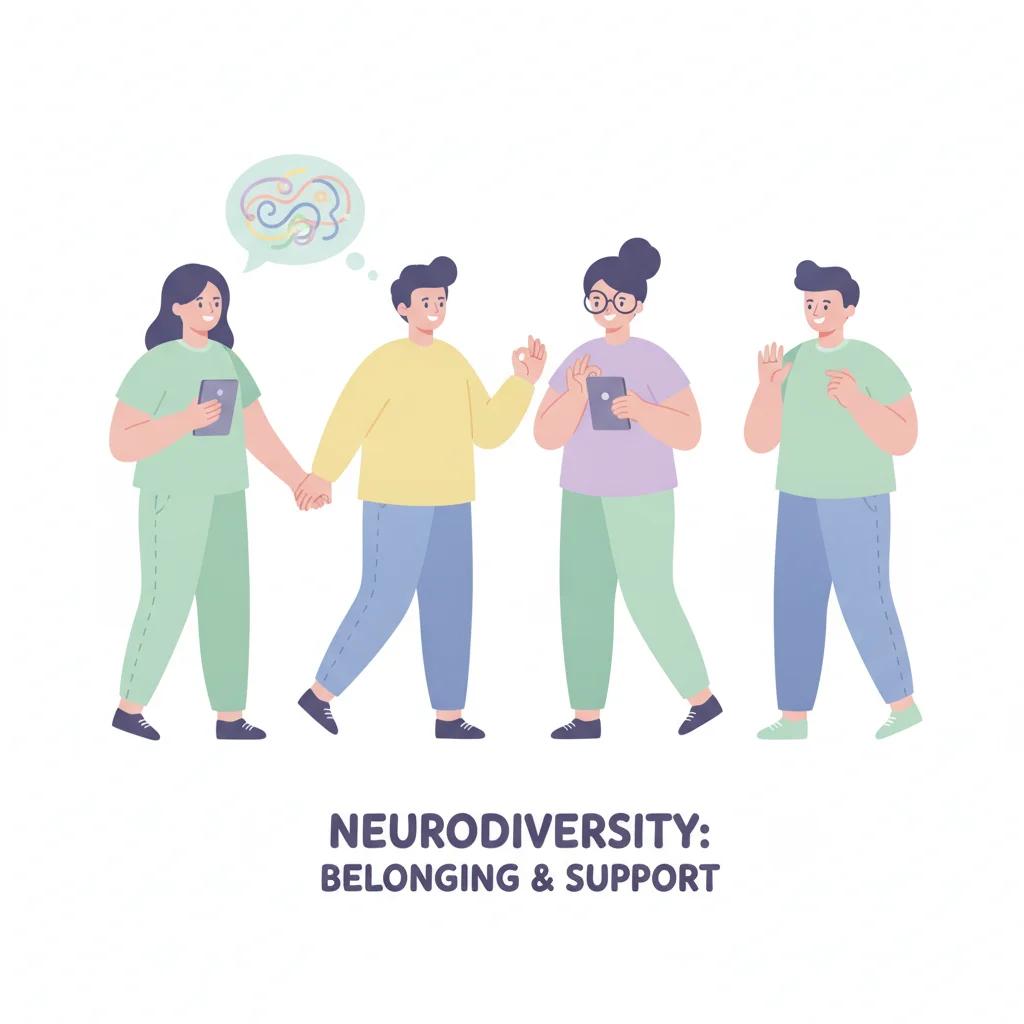
Why "curing" autism is unnecessary and unhelpful: The daily challenges autistic people face do not stem from an internal "defect," but from a profound mismatch between their unique characteristics and the demands of a world built by and for neurotypical people. This understanding, now supported by current classification systems, completely changes how we should think about support, treatment, and community belonging.
A new article every few days, straight to your inbox. No spam, you can unsubscribe at any moment.