Understanding the structure of the human brain and how people experience the world has undergone a profound and fundamental change in recent years. For a long time, the medical and social systems tended to view any deviation from the statistical average through a pathological lens. Under this view, Autism was primarily defined as a collection of impairments, defects, and functional disruptions. However, current research and social reality present a solid scientific and human alternative: the Neurodiversity model.
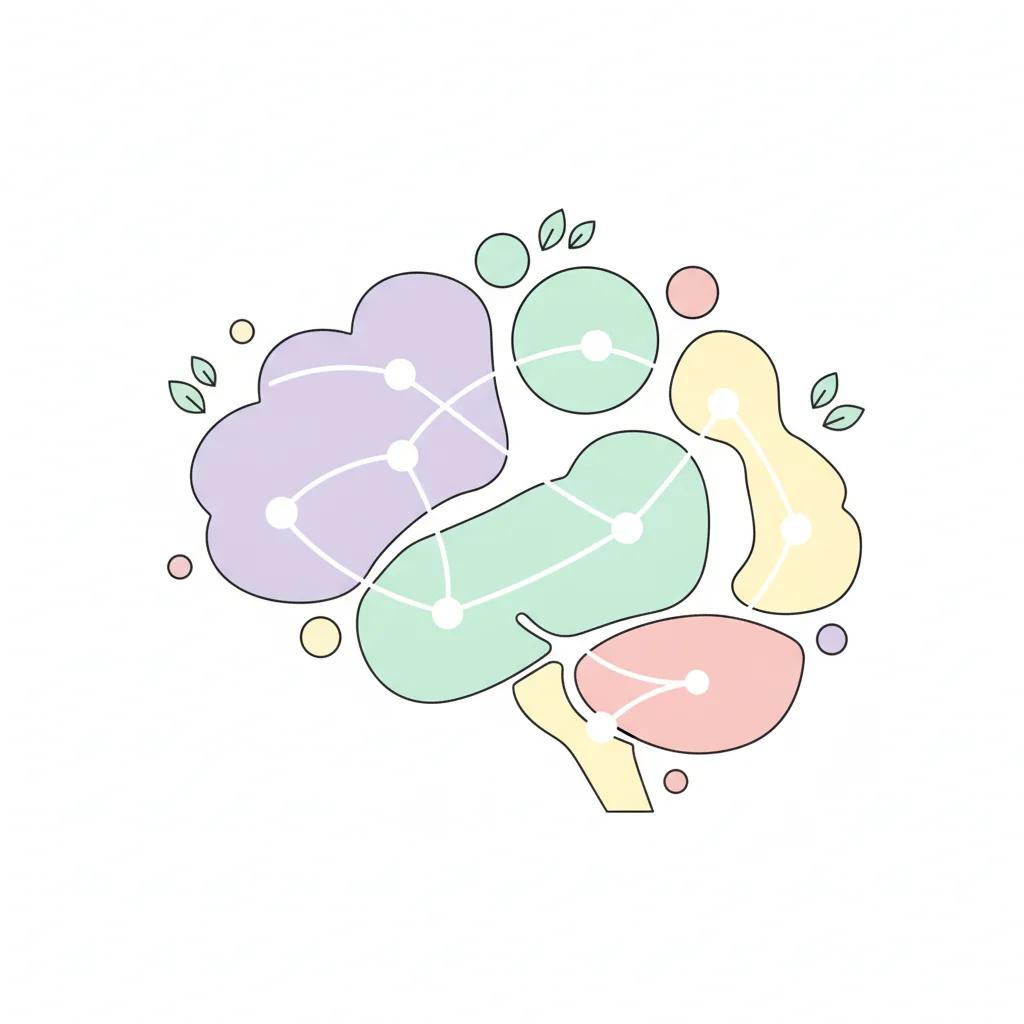
The term Neurodiversity model redefines human neurological variation not as a list of diseases, but as a natural and essential biological diversity of the human species, just like the diversity in appearance, height, or left-handedness. An autistic person does not carry a "defective version" of a typical brain, but rather possesses a completely different neurological wiring, with unique characteristics, challenges, and strengths.
The Conceptual Revolution: From the Medical Model to the Social Model
To fully grasp the Neurodiversity model, one must understand the inherent contrast between it and the traditional medical model that accompanied the world of psychiatry and psychology throughout the twentieth century.
The Medical Model and its Implications
The medical model views Autism as a congenital disorder that should be cured, corrected, or at least brought as close as possible to normative behavior. This approach sees the difficulties of the autistic person as a direct result of their internal defect. If a person experiences Sensory Overload in a supermarket or struggles to make small talk in the office hallways, the medical model claims that the problem lies entirely within the autistic brain, and therefore the person must change or learn to Mask their characteristics.
The Social Model of Disability
The Neurodiversity model relies heavily on the Social Model of Disability. According to this view, disability does not stem from neurological differences themselves, but from the mismatch between the person's characteristics and the environment in which they live. Modern society, educational institutions, and workplaces were almost all designed by and for Neurotypical people. When an autistic person encounters functional difficulties, these difficulties often do not stem from an internal "impairment," but from the fact that the environment requires them to operate in ways that do not match their brain's operating system.
The difference between these approaches completely changes the purpose of support: instead of investing resources in attempts to change the autistic person (a task that research shows exacts a heavy psychological toll), the goal becomes adapting the environment, making the social and physical space accessible, and creating a person-environment fit that allows them to thrive.
Navigating the Social World: Cross-Neurotype Communication and Masking
One of the areas where the Neurodiversity model offers the most significant correction is in communication and social interaction. Older diagnostic definitions spoke of an absolute "deficit" in the ability to engage in reciprocal interaction, but current research reveals a much more complex picture.
The Challenge of Cross-Neurotype Interaction
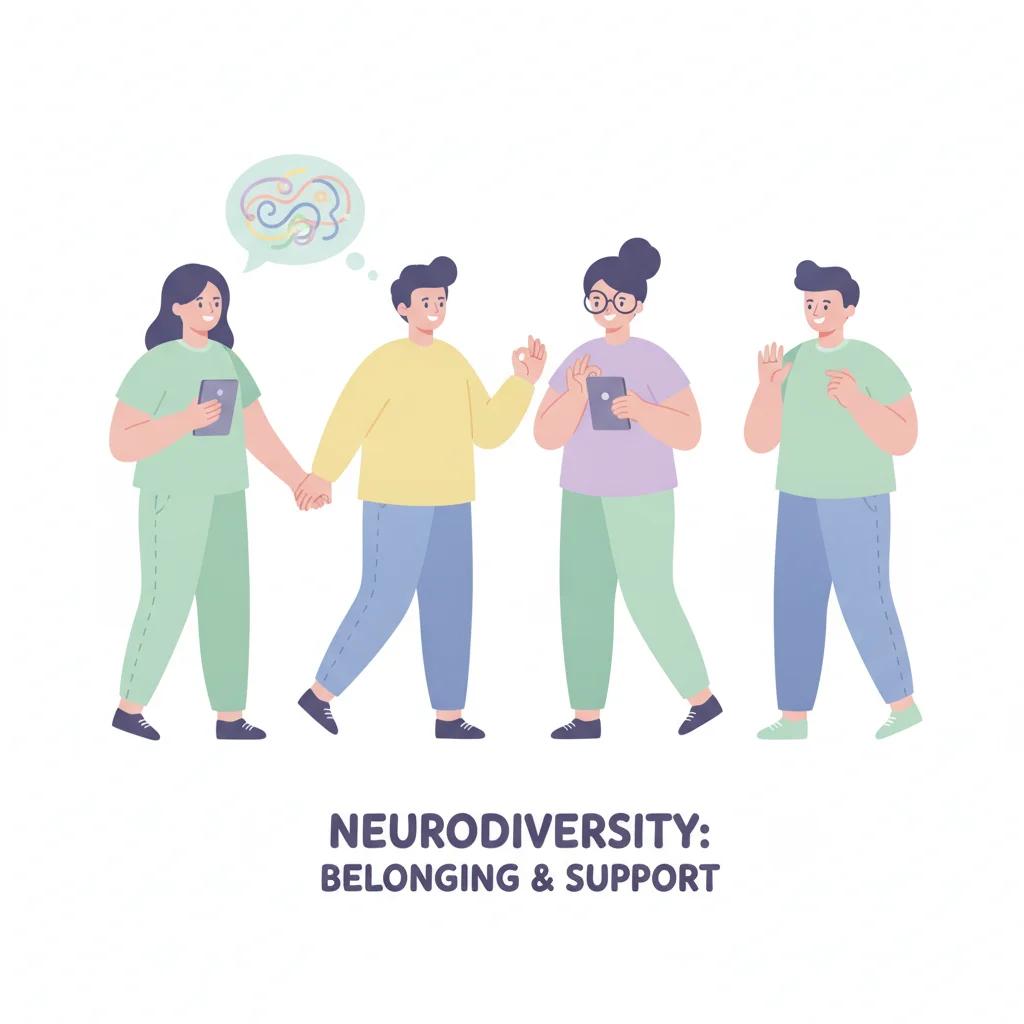
Communication difficulties are not one-sided. Autistic people understand and engage in excellent, deep, and empathetic communication with other autistic people. The real challenge arises in the encounter between different neurological styles - cross-neurotype interaction. While autistic people may interpret non-verbal cues, facial expressions, or agreed-upon social codes of the Neurotypical majority differently, Neurotypical people also show significant misunderstanding and lack of empathy towards the expression, linear tone, and direct communication styles of autistic people. This is essentially a cultural-linguistic short circuit between two neurological worlds, not a defect of one side.
The Cost of Social Masking
Out of a desire to survive in a world that does not understand their language, many autistic adults - especially autistic women - develop a complex mechanism of Masking. Masking includes deliberate learning of facial expressions, self-imposed eye contact, intentional suppression of Stimming (such as hand flapping or rocking), and using pre-prepared scripts for small talk.
Although Masking sometimes allows one to "fly under the social radar" and be accepted in workplaces or educational settings, its cost can be devastating. It involves constant, exhausting, and extremely draining cognitive and psychological effort. Studies show that prolonged Masking is directly linked to high rates of anxiety, depression, severe Autistic Burnout, and even suicidality, as the person is forced to hide their authentic identity at any given moment.
Sensory Regulation, Routine, and Neurological Defense Mechanisms
The autistic experience is characterized by unique Sensory Processing, which is an integral part of the brain's wiring, not a secondary side effect. Changes in international diagnostic systems now reflect what autistic people have always known: Hyper Sensitivity or Hyposensitivity to environmental stimuli are distinct core characteristics.
The Heightened Sensory Reality
For an autistic brain, the world can be an incredibly noisy, bright, and intense place. Background sounds like the hum of a fluorescent light, the noise of a hand dryer, or certain textures of clothing and food are not just annoyances - they are processed in the nervous system as a strong, and sometimes even physically painful, experience. The brain's inability to automatically filter out irrelevant stimuli creates a constant cognitive load.
The Inherent Need for Consistency and Systems
To cope with a visually and audibly overwhelming and unpredictable world, the autistic brain needs consistency, order, and clear predictions. Adherence to a fixed routine, strict adherence to rules, organizing objects, and systemic thinking are not purposeless compulsive behaviors. These are essential tools for the brain to reduce uncertainty and manage its energy resources.
When internal stress levels rise due to social or environmental demands, organization and systematization serve as an effective mechanism for calming the nervous system and regulating emotional arousal. Similarly, an exceptional deep dive into focused Special Interests is not only a source of extensive knowledge but a stable anchor that provides vitality, emotional regulation, and deep satisfaction.
The Neuropsychological Mechanisms Behind the Variation
Scientific research has long attempted to map the cognitive mechanisms underlying autistic thought. While in the past these theories were formulated as explanations for deficits, the Neurodiversity model illuminates them as an alternative processing style.
Local Processing Style (Central Coherence): Unlike the Neurotypical tendency to first see the "big picture" (global processing) and miss details, autistic people often possess a local processing style focused on small details and nuances. This style leads to associative, non-linear, and detail-rich thinking, enabling pattern recognition and problem-solving in an original and unique way.
The Predictive Coding Model: This updated cognitive theory suggests that the autistic brain gives greater weight to raw sensory information coming from reality at this moment, and relies less on past predictions or prior assumptions. The brain tries to reduce the gap between what it expects and what actually happens in a very precise and active way. This process explains why uncertainty or sudden change requires so many cognitive resources, and and why precision and attention to detail are so essential for autistic people.
Executive Functioning and Cognitive Load: Executive Functioning includes the ability to plan ahead, switch between tasks, and consciously manage working attention. In situations of Sensory Overload or social overload, these resources are quickly depleted. In a state of overload, the brain may resort to automatic and unconscious mechanisms to protect itself, sometimes manifesting as Dichotomous Thinking ("all or nothing," completely right or wrong) or internal withdrawal, which are desperate attempts to regain control of the nervous system.
Challenges of Adult Diagnosis and Health
Identifying and diagnosing Autism in adults poses unique challenges, mainly due to the fact that many have learned throughout their lives to compensate for their difficulties and Camouflage their natural characteristics.
Late Diagnosis and Internalization
Many adults only receive an assessment later in life, often following a relationship, employment, or family breakdown, or after one of their children is diagnosed and they recognize themselves in the process. Late diagnosis is crucial, as it allows the person to understand their life history not through a lens of blame or personal failure, but through self-acceptance and an understanding of their neurological needs.
Complex Medical and Health Response
Autistic adults often face co-occurring physical and mental health challenges, such as social anxiety, depression, or restrictive eating disorders, which often obscure the underlying Autism.
In addition, studies show that autistic people are at increased risk for various physical health problems. This reality stems from two main factors:
Unique Interoception (internal sensory reception): There is sometimes Hyposensitivity to internal bodily signals, making it difficult to identify pain, hunger, or physiological disease symptoms early.
Barriers in the healthcare system: The difficulty in communicating bodily sensations to Neurotypical doctors, coupled with the anxiety associated with visiting noisy and sensory-inaccessible clinics, causes many autistic people to avoid seeking medical attention in a timely manner.
Frequently Asked Questions
What is the central concept of the Neurodiversity model regarding Autism?
The Neurodiversity model redefines human neurological variation not as a list of diseases, but as a natural and essential biological diversity of the human species, just like the diversity in appearance, height, or left-handedness. An autistic person does not carry a "defective version" of a typical brain, but rather possesses a completely different neurological wiring, with unique characteristics, challenges, and strengths.
How does the Neurodiversity model address the social and communication difficulties of autistic people, compared to the traditional medical model?
While the medical model views the autistic person's difficulties as a direct result of an internal defect and requires the person to change, the Neurodiversity model, which is based on the Social Model of Disability, argues that disability stems from the mismatch between the person's characteristics and the environment. Communication difficulties are not one-sided, but rather arise from the challenge of cross-neurotype interaction, a kind of "cultural-linguistic short circuit" between different neurological styles.
What is "social Masking" and what are its implications for autistic people?
Social Masking is a mechanism that autistic people develop out of a desire to survive in a world that does not understand their language. It includes deliberate learning of facial expressions, self-imposed eye contact, suppression of Stimming, and using pre-prepared scripts for conversations. The cost of prolonged Masking can be devastating, and includes increased rates of anxiety, depression, Autistic Burnout, and even suicidality, as the person is forced to hide their authentic identity at any given moment.
How does the Neurodiversity model view the sensory experience of autistic people?
The Neurodiversity model views the unique sensory experience, including Hyper Sensitivity or Hyposensitivity to environmental stimuli, as an integral part of the autistic brain's wiring, rather than a secondary side effect. For an autistic brain, the world can be an incredibly noisy, bright, and intense place, with completely different Sensory Processing.