What is the Double Empathy Problem?
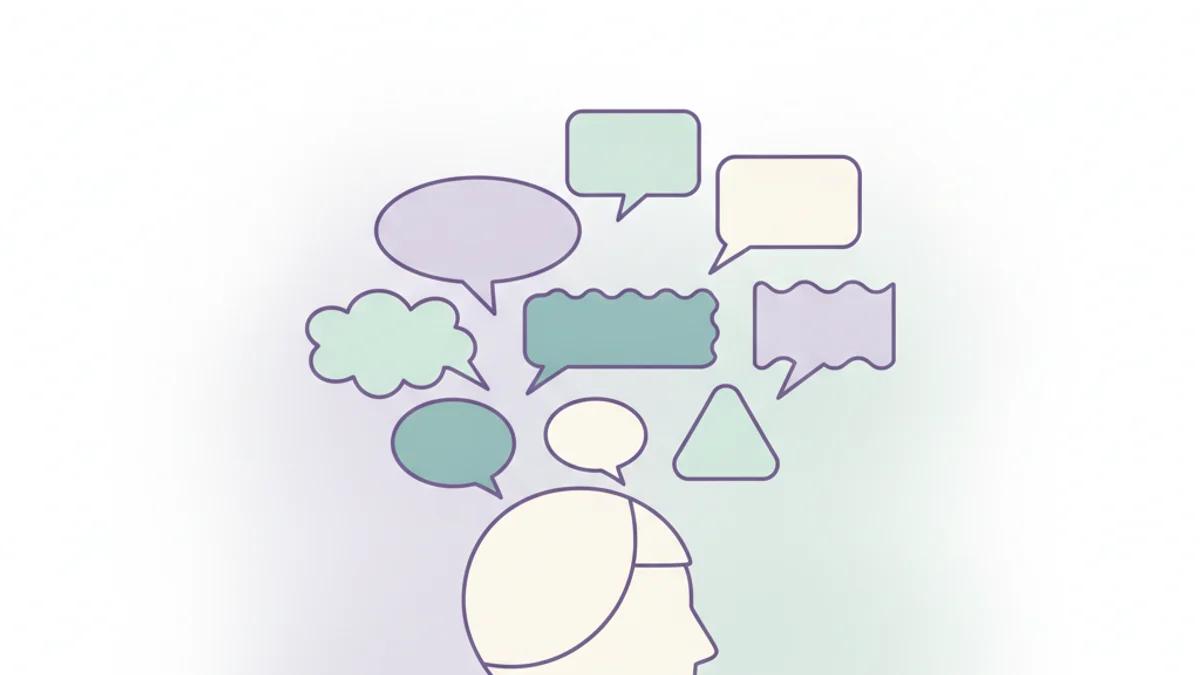
Understanding social interactions and the ability to communicate effectively has often been perceived as a one-sided characteristic or deficit in people with different neurological profiles. For many years, it was commonly assumed that communication difficulties stemmed solely from a lack of empathy or deficient "social skills" in autistic people, and that they bore the sole responsibility for adapting to accepted norms. This perception, based on an incomplete model of Autism, ignored the true complexity of human interaction. In fact, modern research, along with the voices of autistic people themselves, presents us with a richer and more accurate picture of the situation, where communication difficulties often arise from a mutual gap in understanding rather than a deficit on one side. This approach, known as the "Double Empathy Problem" or "Reciprocal Empathy," offers a deeper and more inclusive framework for understanding inter-neurological communication difficulties.
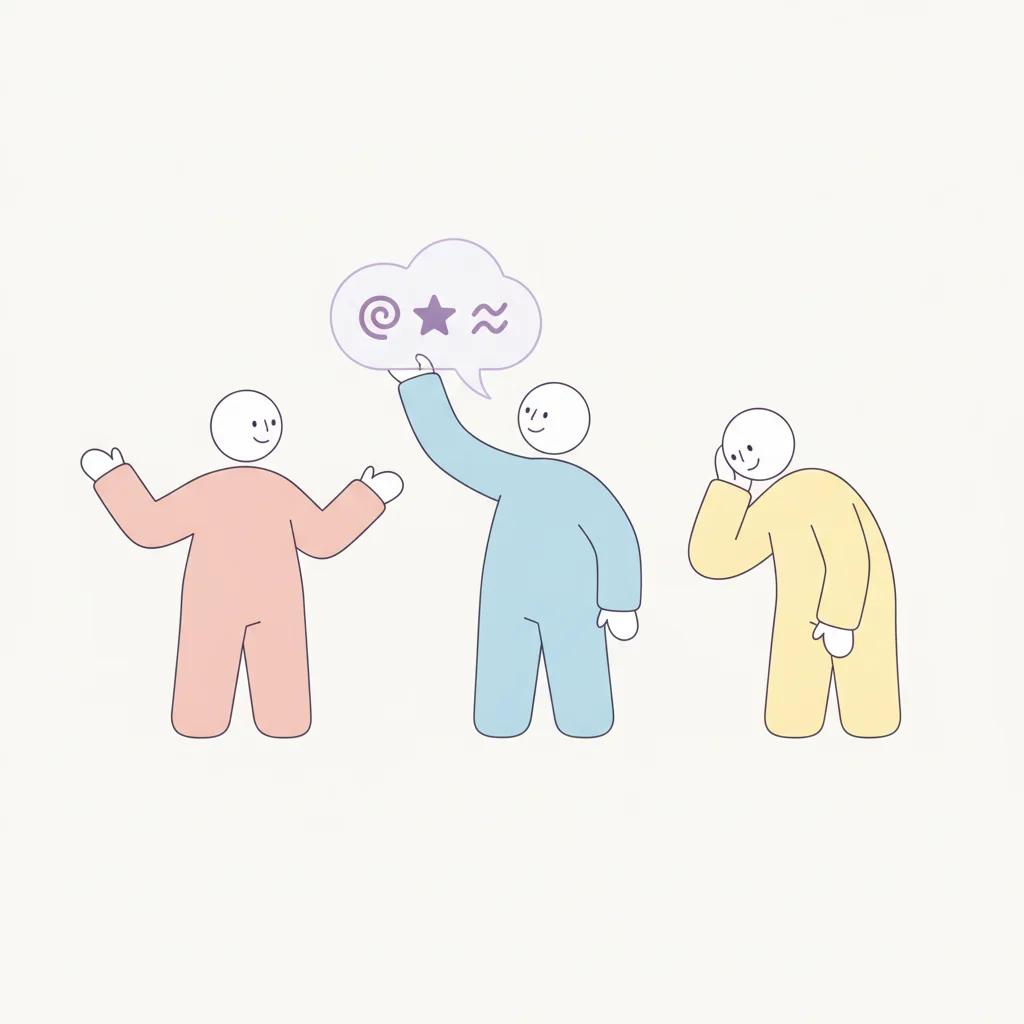
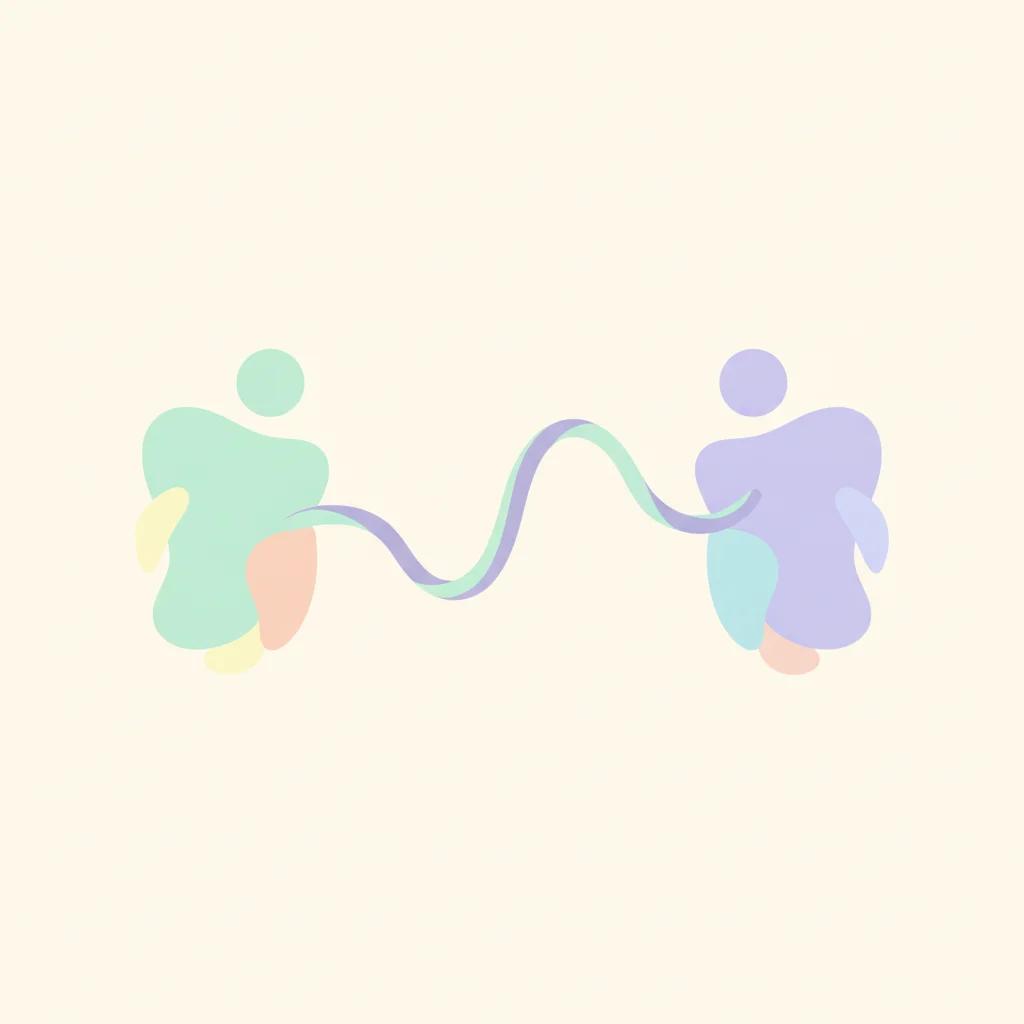
According to the Double Empathy Problem model, communication difficulties between autistic people and non-autistic (neurotypical) people do not stem from a lack of empathic ability on one side, but from mutual difficulties in understanding. This means that neurotypical people also find it difficult to understand the communication and thinking styles of autistic people, just as autistic people sometimes find it difficult to understand neurotypical ways. The problem lies not in a complete lack of empathy, but in a gap in communication styles and the interpretation of social cues, which leads to mutual mismatch. When we recognize that the gap is mutual, we can approach communication from a place of curiosity and mutual respect, rather than from an assumption of deficits. This recognition opens the door to building bridges between different neurological worlds, and allows for deeper and more meaningful dialogue.
Different Operating Systems: An Analogy for Understanding
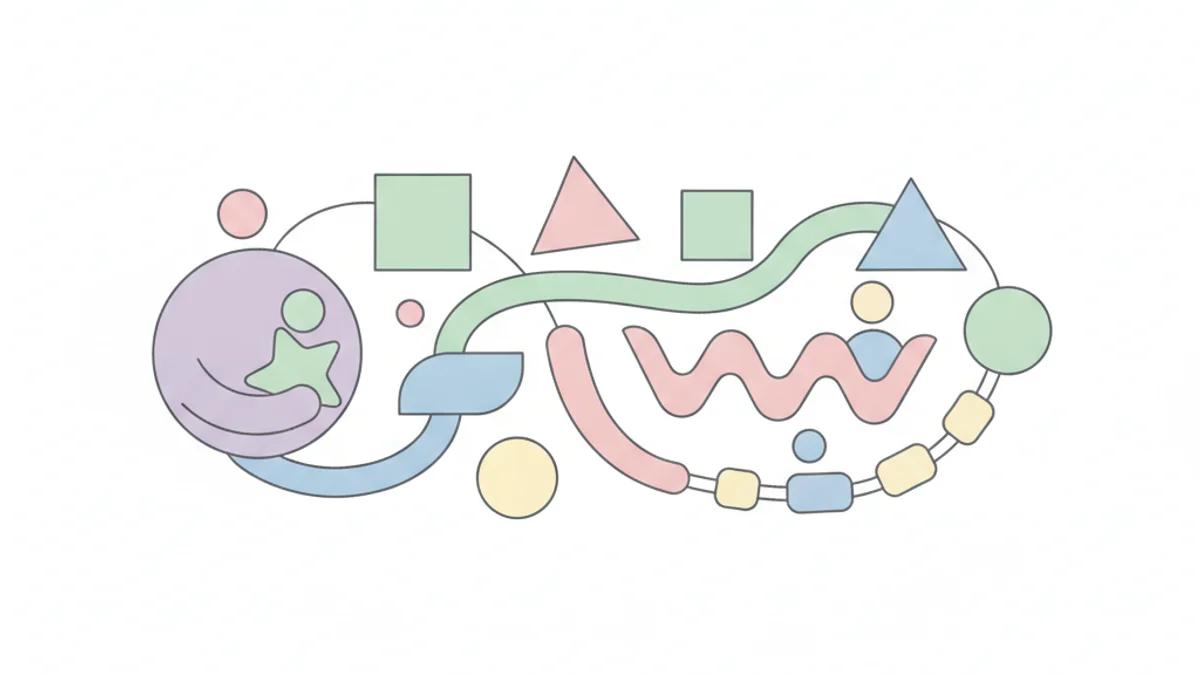
To illustrate the principle of the Double Empathy Problem, we can imagine the human brain as a unique "operating system," similar to computers running on different software. Just as operating systems like those from leading technology companies are fundamentally different, yet both effective in their own way, so too do autistic and neurotypical brains operate in their own unique ways. Each "operating system" processes information differently, with its own strengths and challenges, leading to diverse ways of perceiving the world and expressing oneself. Attempting to open a file created in one operating system directly in another operating system may create compatibility issues or require special "translation," which demands additional time and energy resources. When we understand that there is no "better system" or "defective system" here, but simply differences in structure and function, we can develop a more patient and inclusive approach to communication.
This analogy helps to understand why communication between people with different neurological profiles can involve "translation costs" or "file conversion" for mutual understanding. This is not the fault of either party, but simply a product of neurological diversity. When an autistic person tries to understand and act according to neurotypical social expectations, they may invest significant effort in "translating" and adapting, a process that can be exhausting and tiresome. Similarly, when a neurotypical person encounters autistic communication styles, they may experience difficulty understanding the intent behind the message, and misinterpret it. Mutual recognition of the existence of different "operating systems" is the first step towards improving communication. Instead of expecting universal compatibility, we need to develop tools and approaches that allow each system to "speak" to the other effectively and respectfully.
Challenges in the Autistic Experience in Neurotypical Spaces
For many autistic people, navigating neurotypical social spaces can be an exhausting and challenging task. This stems from the constant need to intuitively try and understand social cues that are not self-evident, and to adapt behavior to unwritten expectations. This process, sometimes called "Masking," requires an enormous investment of cognitive and emotional energy, as the autistic person constantly tries to decipher the social "code" and adapt themselves. The result is often a feeling of exhaustion, disconnection, and even Autistic Burnout, as the continuous effort to adapt oneself can be an unbearable price. The inability to rest and release the "mask" in these spaces prevents the person from feeling authentic and safe, and can harm their mental well-being. It is important to recognize this complexity and understand that the effort to integrate does not indicate a lack of desire, but rather heavy demands placed on the individual.
One of the ways these challenges manifest is through "over-explaining," a common characteristic in the autistic community. Many autistic people tend to over-explain, whether in long emails, detailed text messages, or face-to-face conversations, with the clear aim of avoiding misunderstandings. With good intentions to clarify the situation and provide all relevant details, they assume that more information will necessarily lead to more understanding. However, ironically, in neurotypical spaces, this approach can be perceived as insecurity, tediousness, and even lead to greater misunderstanding. The detailed and reasoned message may get lost in the multitude of words, or be perceived as an attempt to justify oneself, rather than a sincere effort to communicate clearly. Recognizing this pattern allows us to understand again that the gap is not in a lack of desire to communicate, but in a difference in how communication is conducted and interpreted, creating a cycle of frustration for both sides. For the autistic person, the attempt to clarify is met with misunderstanding, and for the neurotypical person, the explanation is perceived as heavy or unnecessary. This highlights the systemic difficulty in creating mutual understanding when each side operates from fundamentally different rules and expectations.
The Power of Autistic Social Spaces
Understanding the Double Empathy Problem is particularly evident when examining the dynamics within autistic communities and social spaces designed for autistic people. Many report that precisely in these places, they experience a sense of belonging, calm, and understanding that they lack in neurotypical interactions. The "magic" of these spaces lies in the fact that they allow autistic people to be themselves, without the need for Masking or investing enormous energy in trying to conform to expectations that are not natural to them. Here, neurological diversity is not an obstacle, but a common basis for understanding. The ability to communicate directly, genuinely, and immediately, without fear of judgment or misinterpretation, is a liberating and empowering experience for many. In these spaces, Autism is not a "problem" to be solved, but an integral part of a shared identity.
The most significant change in the experience of many autistic people occurs when they meet other autistic people and discover the deep and immediate connection that forms. In these encounters, it is common to skip superficial "small talk" and quickly dive deep, straight into essential and interesting topics. This form of communication, which may be perceived as unusual in a neurotypical space, is actually very effective and comfortable among autistic people. It prevents the feeling of trying to decipher complex and incomprehensible social scripts, and allows for focusing on genuine human connection. The dynamics in autistic spaces clearly show that it is not a lack of ability to communicate or form relationships, but a gap in communication styles. When the communication style matches, the connections can be exceptionally deep and rewarding. This insight reinforces the idea of the Double Empathy Problem, and emphasizes the importance of creating spaces where every person can communicate in a way that matches their neurological profile.
Beyond Outdated Perceptions: Towards Mutual Understanding
The traditional perception that autistic people should be "helped" to develop "social skills" can be problematic and even toxic if it ignores the principle of the Double Empathy Problem. This approach wrongly assumes that communication difficulties are one-sided, and that the responsibility for change rests solely with the autistic person. It perpetuates a narrative of deficit or flaw, instead of recognizing legitimate neurological diversity. Instead of examining how both sides can adapt and learn from each other, it pushes towards normalization or "fixing" Autism, concepts that have no place in respectful and science-based discourse. We must move away from the idea of one-sided training, and move towards a model of mutual learning and awareness development, both among autistic people and among neurotypical people. Only then can we build true bridges of understanding and connection.
Attempting to simplify Autism with statements like "everyone is a little autistic" or "we're all somewhere on the spectrum" is equally harmful. These statements, despite their seemingly good intentions, empty the unique autistic experience of its meaning and negate the unique challenges and strengths associated with an autistic neurological profile. They reduce the experience to something universal, thereby making it difficult to recognize the need for accommodations and systemic changes that support Neurodiversity. Autism is not a scale where there is "more" or "less" Autism; it is a neurological diversity characterized by a distinct profile of experiences, perceptions, and needs. Recognizing this diversity, without minimizing it, is crucial for developing genuine and mutual empathy, which will allow everyone to feel seen, heard, and valued. We must emphasize the uniqueness of each person and avoid labels that erase diversity instead of celebrating it.
How to Foster Reciprocal and Inclusive Communication?
In order to apply the principles of the Double Empathy Problem in daily life, we must develop awareness and tools that enable reciprocal and respectful communication. The first step is to recognize that there is no "right" or "wrong" way to communicate, but different ways. This requires a willingness to learn, listen, and adapt ourselves, and not just expect the other to change. For neurotypical people, this means trying to understand that autistic communication styles are legitimate and effective in their own way, even if they are different from the norm. For autistic people, this can include finding ways to clarify their intentions explicitly, without relying on non-verbal cues that may be misinterpreted. Both groups should strive for a balance that respects each person's communication needs, without demanding a sacrifice of authenticity. Effective communication is built on foundations of trust and mutual acceptance.
A clear and explicit approach is an important component in building communication bridges. Instead of relying on subtle cues, unspoken expectations, or hints, it is better to use direct and honest language. For example, instead of expecting someone to understand from social cues that you are tired, it is better to say so explicitly. Many autistic people appreciate honesty and clarity, and this approach can prevent many misunderstandings. Also, patience is very important. Communication processes between different neurological profiles may require more time and effort, and it is important to allow for this. Do not hesitate to ask clarifying questions, ask to repeat things, or ensure mutual understanding. Remember that misunderstanding is not a sign of failure, but an opportunity to learn and improve. The more we practice this approach, the deeper relationships we will build, based on mutual respect and appreciation, and we will be able to enjoy the benefits of neurological diversity in our relationships. Investing in learning different communication styles is an investment in creating genuine human connections.
The Double Empathy Problem as a Tool for Personal and Social Empowerment
Adopting the Double Empathy Problem paradigm is not only a matter of improving communication, but also a powerful tool for personal empowerment and promoting a more inclusive society. When autistic people find spaces where they feel understood and valued for their natural communication styles, they can thrive and realize their full potential. The sense of belonging and understanding reduces the burden of Masking and the risk of Autistic Burnout, allowing people to direct their energy towards personal growth, developing Special Interests, and nurturing meaningful relationships. The understanding that communication difficulties are not a personal flaw, but a result of a mutual gap, helps to build positive self-esteem and release shame or guilt. This release allows autistic people to express themselves freely, bring their unique voice to the world, and contribute their rich contributions to society. This is a critical step towards better mental health and a full life.
On a societal level, widespread adoption of the Double Empathy Problem principle can revolutionize the way we approach inclusion and support for Neurodiversity. Instead of building intervention programs focused only on "fixing" the autistic person, we can develop approaches that encourage mutual communication flexibility. This means training professionals, employers, family members, and friends to understand and accept a wide range of communication styles. It means creating work and community environments designed with an understanding of diverse neurological needs, instead of requiring everyone to conform to one model. Society as a whole benefits when it adopts this approach, as it opens a window to new knowledge, creativity, and perspectives that arise from neurological diversity. Reciprocal communication is the foundation for a more just, inclusive, and developed society, where every person can find their place and contribute fully. This is an investment in a shared and better future.
Commitment to Learning and Acceptance
The journey towards a full understanding of the Double Empathy Problem and correcting the gaps arising from it is an ongoing journey, requiring from us a genuine commitment to learning, mental flexibility, and a deep desire to accept the other. It invites us to re-examine our preconceived notions about empathy and communication, and to adopt an approach that respects neurological diversity as an integral part of human richness. When we open our hearts and minds to different ways of being and perceiving, we not only improve our relationships with autistic people, but also enrich our own lives. We must remember that communication is a two-way street, and the responsibility for understanding rests with everyone who participates in it. By adopting the Double Empathy Problem model, we pave the way for a world where every voice is heard, every experience is valued, and every human connection is possible, regardless of neurological profile. This is a way to create a more complete and united society.