In recent years, we have witnessed a welcome increase in public awareness of Autism. The discourse is expanding, media representations are becoming more common, and there is a general sense of progress towards acceptance and inclusion. However, behind this positive facade lies a severe, painful, and often invisible public health crisis: rates of mental distress and suicidality among autistic adults are among the highest of any population group.
Research data collected over the past decade reveal a grim picture that demands urgent attention from health, education, and welfare systems, as well as from society as a whole. This article aims to shed light on the scope of the phenomenon, understand the unique factors leading to it, and point to directions for change.
Statistical Snapshot: An Epidemic of Invisible Pain
When examining the raw data, the disparities between the autistic community and the general population are incomprehensible. The distress manifests at all stages of the suicidality continuum, from thoughts, through planning and attempts, to tragic death.
Suicidal Thoughts: While in the general population, the rate of people who will experience suicidal thoughts during their lifetime is estimated at less than twenty percent, studies show that among adults on the Autistic Spectrum, the figure skyrockets. Up to two-thirds of autistic adults report having considered suicide at some point in their lives. This represents an absolute majority of the community living, at least for some period, with extreme mental pain.
Planning and Suicide Attempts: The transition from thought to action also occurs at much higher rates. Statistics show that between a quarter and a third of autistic adults have planned or attempted to end their lives. The chance of a suicide attempt in this community is five times higher than among adults not on the spectrum.
Mortality: The bottom line and most difficult is the mortality rate. Suicide is the second most common cause of premature death among autistic people without intellectual disability. Recent studies from various countries indicate that autistic adults are seven to nine times more likely to die by suicide compared to the general public.
A particularly disturbing statistic concerns autistic women. Traditionally, suicidality studies in the general population show that men die by suicide at higher rates than women. However, within the autistic community, this trend reverses or dramatically worsens for women. Autistic women without intellectual disability are thirteen times more likely to die by suicide compared to non-autistic women, placing them in the most severe and vulnerable risk group.
Why Is This Happening? Unique Risk Factors for Autism
To understand the scope of the phenomenon, it is not enough to look at classic psychiatric risk factors such as clinical depression or anxiety. Researchers, and more importantly, autistic people sharing their life experiences, point to unique mechanisms arising from the encounter between a person with different neurology and a world not adapted to them.
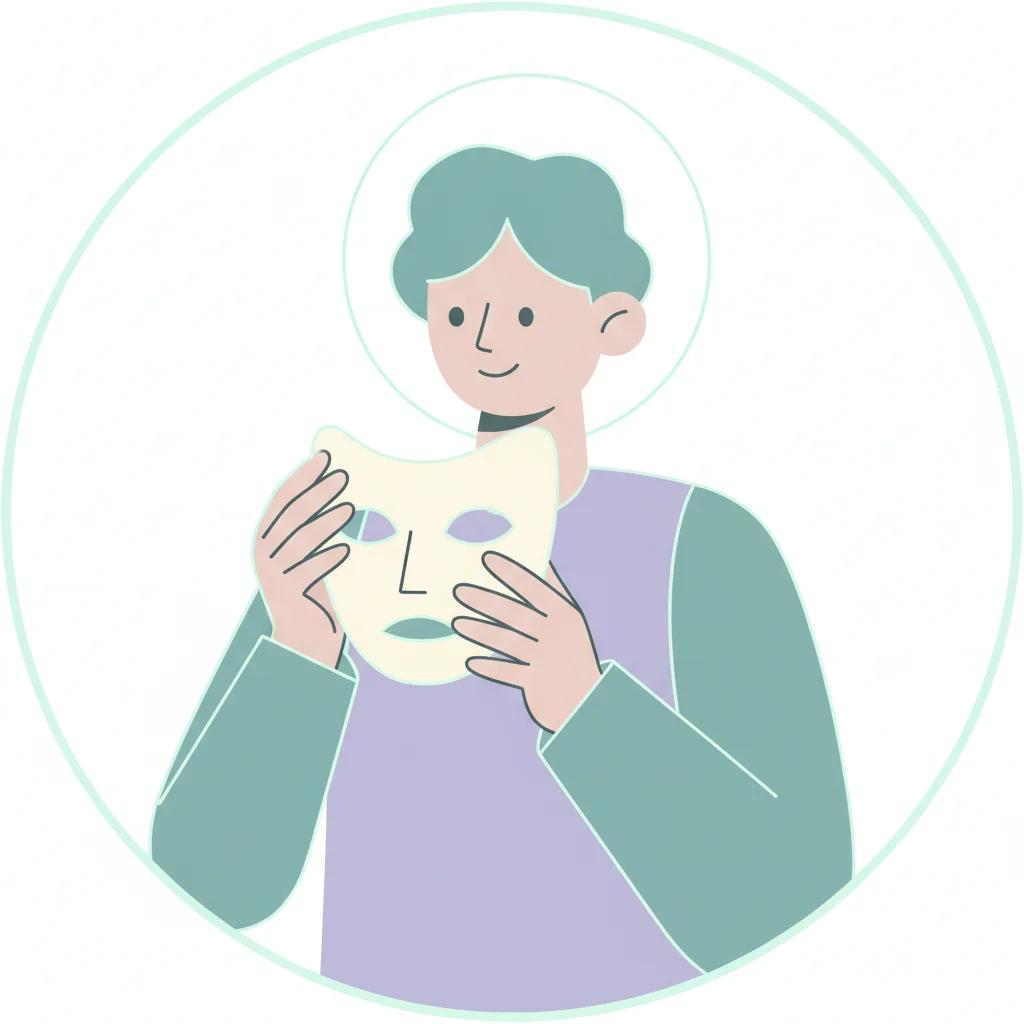
Masking and Camouflaging: One of the most destructive factors for the mental health of autistic people is the constant need to camouflage their identity. Masking means actively suppressing natural autistic behaviors and constantly trying to imitate normative behavior to fit in or to avoid stigma and rejection. This cognitive and emotional effort takes an enormous toll. It leads to a loss of self-identity, deep exhaustion, and a severe feeling that if society saw their true selves, they would be immediately rejected.
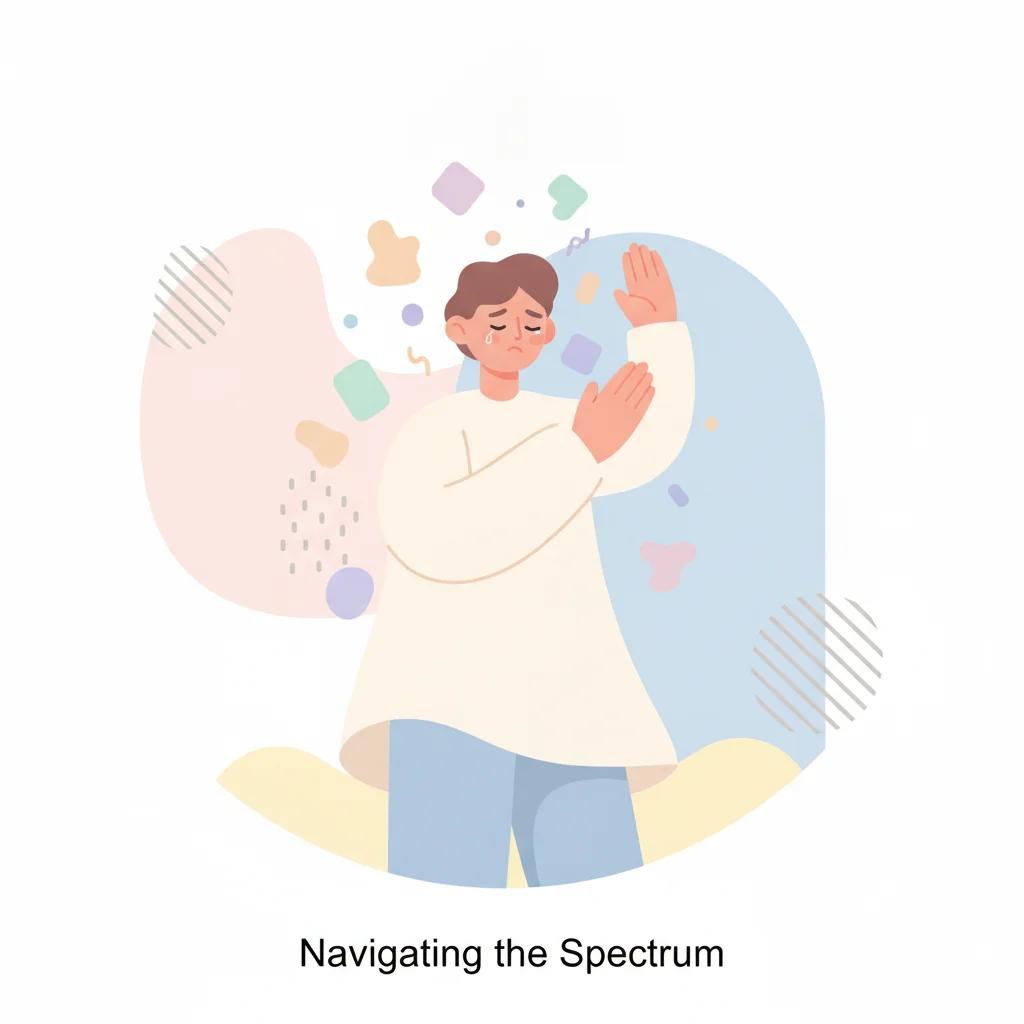
Autistic Burnout: As a result of Masking, the Sensory Overload in a world that is too loud and bright, and the incessant social demands, many autistic people reach a state of Autistic Burnout. This is not just fleeting fatigue, but a neurological and functional collapse where the person loses skills they once had, experiences severe Sensory Overload, and lacks any basic energy. In situations of deep and prolonged burnout, hope fades and suicidal thoughts appear as a way to escape the unbearable pain.
Accumulated Trauma and Social Isolation: The life experiences of autistic people are often fraught with rejection. Childhood under the shadow of boycotts, bullying at school, difficulties integrating into workplaces in adulthood, and difficulty forming romantic and social relationships leave scars. The deep loneliness and chronic feeling of being "aliens in the wrong world" significantly increase feelings of hopelessness.
Late Diagnosis: Many High-Functioning Autism individuals receive their diagnosis only in their twenties, thirties, or even later in life. Decades of feeling different, inexplicable difficulties, and misdiagnoses of various mental illnesses create a heavy traumatic burden. While a late diagnosis brings relief and understanding, it is not always enough to erase the accumulated mental damage.
The Treatment Gap: When the System Misses the Mark
Beyond the risk factors, there is a systemic failure in how mental health services identify and treat distress in autistic people. Psychiatric tools for assessing suicidal risk were developed and normalized for the general population.
When a professional sits across from an autistic person, they may misinterpret their body language. Lack of eye contact or a neutral facial expression, which are natural for the autistic person, can lead to a misjudgment of their emotional state. Conversely, autistic people may report immense internal pain in a factual, logical, and monotonous manner, causing therapists to underestimate the intensity of the immediate danger they are in. Furthermore, traditional therapeutic interventions that do not take into account sensory regulation, different communication styles, and difficulties with Theory of Mind - ToM, sometimes lead to opposite results and deepen the patient's distrust in the system.
The Path to Change: Building a Tailored Safety Net
Addressing the crisis requires a fundamental paradigm shift on several levels.
First, medical teams, psychologists, and psychiatrists must be trained in a deep understanding of Autism in adulthood, in its various manifestations. There is a need to develop dedicated screening and assessment tools that can identify warning signs within the community, including recognizing Autistic Burnout as an acute risk factor.
Second, treatment must be adapted to the patient's neurological needs. This means therapeutic environments that are aware of Hyper Sensitivity, direct communication free of double messages, and creating a space where the patient is not required to Mask themselves.
Alongside professional responses, the most significant change must occur within society itself. As long as workplaces, educational institutions, and public spaces continue to reward only rigid normative behavior and marginalize different communication and movement styles, Masking and burnout will continue to claim lives. The autistic community does not need fixing; it needs adaptation, accessibility, and recognition of its value exactly as it is. Only an environment that allows autistic people to be who they are without fear can stop the invisible epidemic and create a safer and more worthy society for all.
If you or a loved one are experiencing mental distress or suicidal thoughts, it is important to know that you are not alone and there is someone to turn to. You can contact ERAN, emotional first aid, by phone at 1201 or on their website. The hotline is available 24/7 and provides a listening ear and support.