Relationship Between an Autistic Person and a Neurotypical Person (and Vice Versa)
Relationships are a complex journey for everyone, but when it comes to a neurodivergent-neurotypical relationship, where one partner is autistic and the other is neurotypical, the challenges and opportunities take on an additional, fascinating layer. Often, differences in communication, sensory needs, and information processing can lead to frustration and distance. However, when one chooses to embrace the Social Model of Disability and understand that Autism is a natural neurological variation rather than a disease to be cured, the door opens to creating a deep, inclusive, and authentic connection.
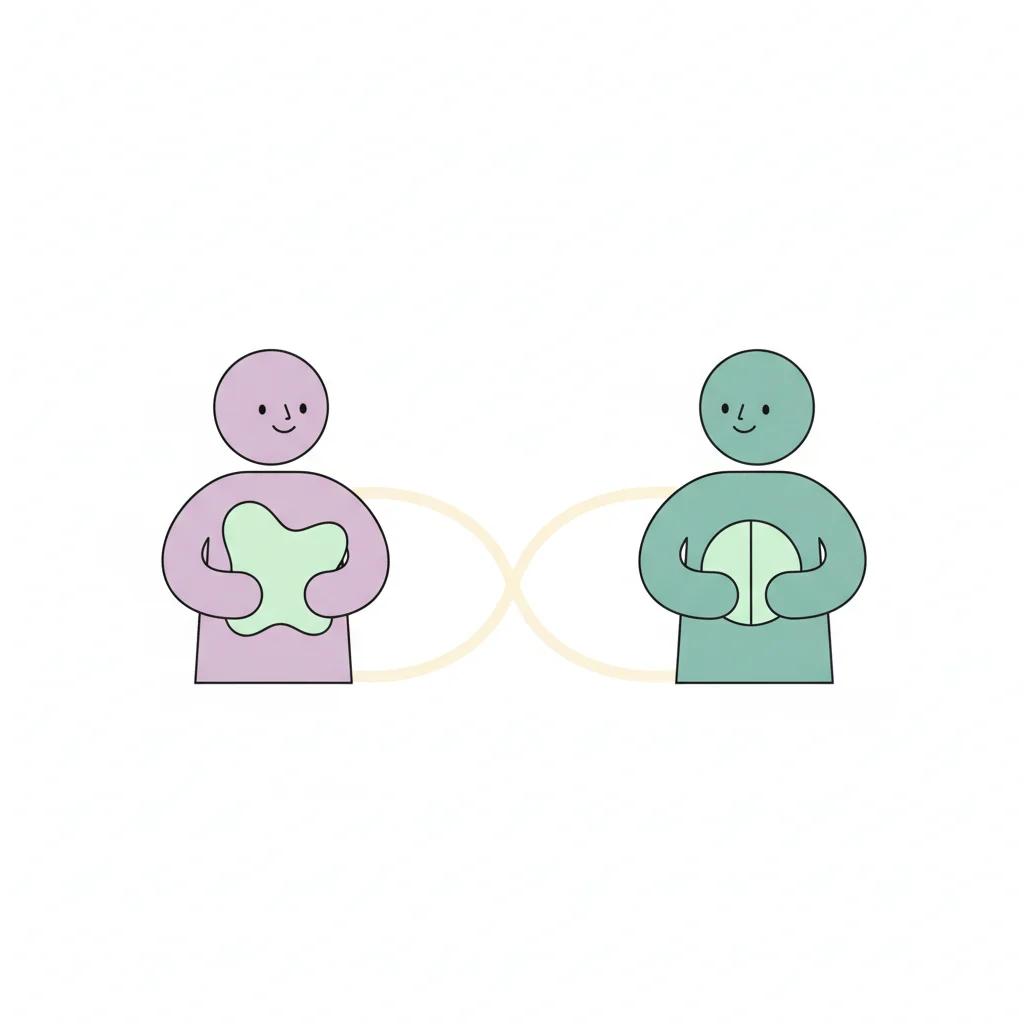
The foundation for success in such a relationship does not require either party to become someone else, but rather to learn the unique language of the other. A relationship between brains with different structures requires mutual translation, compassion, and above all, a willingness to let go of rigid stereotypes and social expectations.
Two Languages, One Communication
One of the most prominent characteristics of the autistic experience is the way social and communicative information is processed and conveyed. In the neurotypical world, communication relies heavily on subtext, subtle cues, social conventions, and often unconscious body language. In contrast, communication for autistic people tends to be more direct, literal, and precise.
When an autistic partner communicates directly, it may be mistakenly interpreted by the neurotypical partner as tactlessness, insensitivity, or even anger. Conversely, when the partner uses hints instead of explicit requests, the autistic partner may miss their intention entirely, not out of indifference, but because the information was not conveyed through the communication channel suited for them.
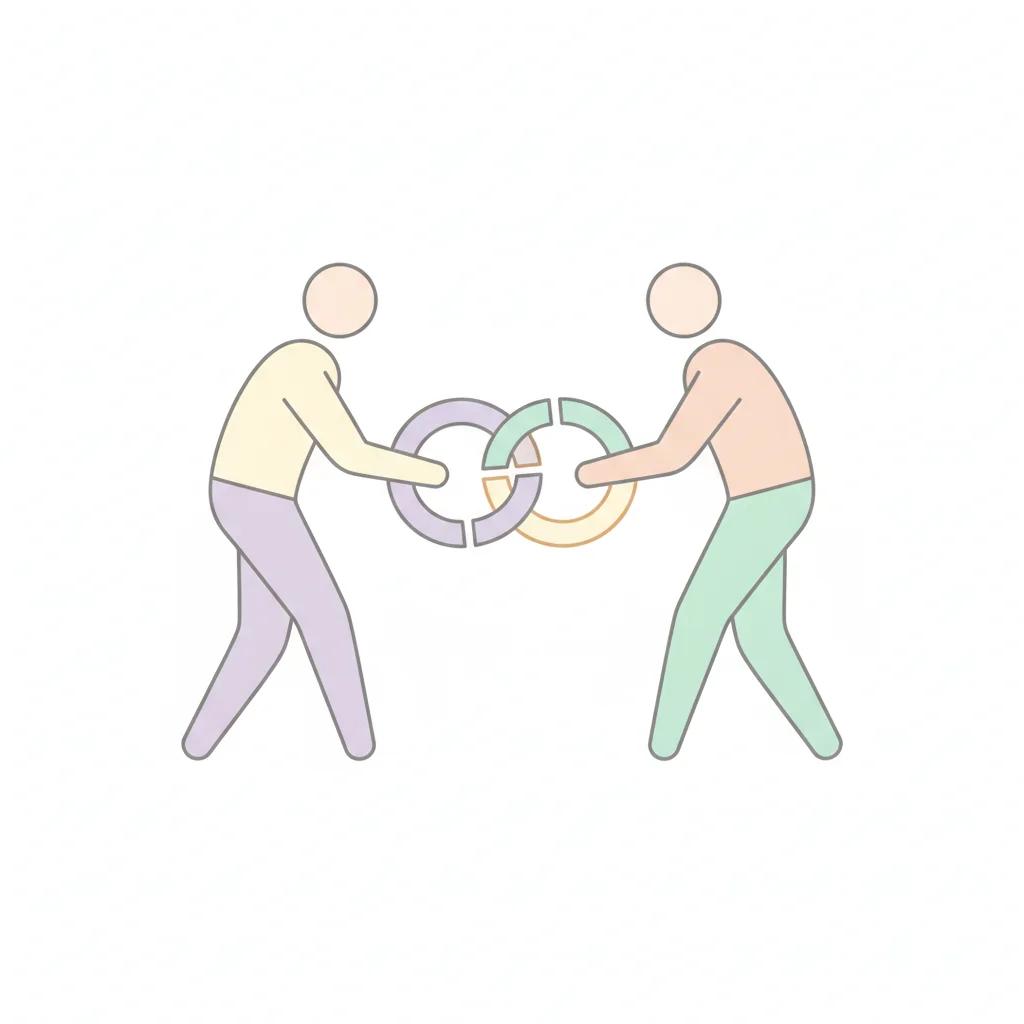
To bridge this gap, it is important to adopt transparent and explicit communication. This means letting go of the expectation that the other person will read minds or understand subtle cues. Clear statements without hidden meanings do not indicate a lack of romance, but rather mutual respect and a genuine desire to be understood. The understanding that social difficulties in a mixed relationship often stem from a cross-neurotype interaction challenge, rather than a flaw in one party's ability, is a critical step in building trust.
The Cost of Camouflaging and the Need for a Safe Space
Many autistic people, especially in adulthood, develop mechanisms of Camouflaging. This is a conscious or semi-conscious effort to hide autistic traits and mimic neurotypical behaviors in order to fit into society, avoid stigma, or maintain employment and social connections. This effort sometimes includes self-imposed eye contact, suppressing Stimming, and carefully managing facial expressions.
Camouflaging exacts an enormous emotional and physical toll. It leads to chronic exhaustion, Autistic Burnout, anxiety, and depression. Within a romantic relationship, one of the deepest needs of an autistic person is the ability to Unmask. Home and partnership should provide a completely safe space where authenticity is allowed.
The neurotypical partner's understanding that a need for withdrawal or quiet is not an expression of rejection towards them, but a vital tool for regulation and recovery from daily social effort, changes the entire picture. When an autistic partner feels safe to regulate themselves in natural ways without fear of criticism, the entire relationship becomes more stable and relaxed.
Sensory Sensitivity as an Existential Experience
The Sensory Processing system of autistic people often operates at different frequencies. Stimuli that neurotypical people easily filter out can be overwhelming and even physically painful for autistic people. Background noise, bright lighting, certain fabric or food textures, and even natural smells, can lead to a state of Sensory Overload.
It is important to understand that Sensory Overload is not indulgence or exaggeration, but a neurological and physiological reality. When the environment is not adapted, mental energy is entirely directed towards survival within the sensory chaos, leaving very few resources for emotional or social availability. Sometimes, a reaction of anger, irritability, or detachment from the autistic partner in a noisy social situation is not related to interpersonal dynamics at all, but to pure sensory distress.
Bridging the gap in this case requires practical partnership. Creating a sensory-adapted home environment, planning ahead before going to crowded places, and developing pre-agreed exit strategies from overwhelming situations, are tools that allow both partners to live comfortably without either being pushed to their limits.
Rethinking the Concept of Empathy
One of the most damaging myths about autistic people is the claim that they lack empathy. In reality, research and testimonies from autistic people show a completely different picture. Many autistic people experience Affective Empathy with very high intensity, sometimes to the point of emotional contagion that overwhelms them and makes it difficult to respond in the "accepted" way.
The gap lies not in the absence of emotion, but in its expression. While neurotypical people tend to express empathy through verbal echoing or specific body gestures, autistic people may express empathy through practical problem-solving, sharing relevant information, or providing quiet space. Additionally, difficulty reading facial-body cues or a delay in the speed of social information processing can make a response appear delayed, even though the internal emotion is turbulent and present.
Mutual learning of love languages and empathy is essential here. A neurotypical partner who learns to recognize practical actions or sharing Special Interests as an expression of deep love and care will feel more loved. An autistic partner who learns to explain their feeling of overwhelm instead of withdrawing will help their partner feel included rather than excluded.
Routine, Focus, and Security in a Changing Environment
For many autistic brains, the world is an unpredictable and overwhelming place. The way to cope with uncertainty and information overload is by creating patterns, structured routines, and intense immersion in Special Interests. Adherence to routines is not an expression of rigidity for rigidity's sake, but a critical mechanism of sensory and emotional regulation that provides an anchor of security.
In contrast, neurotypical people may seek spontaneity and changes as a refreshing break from routine. A sudden change in plans that is perceived as a pleasant surprise for one party can be a trigger for anxiety and complete disorientation for the autistic party.
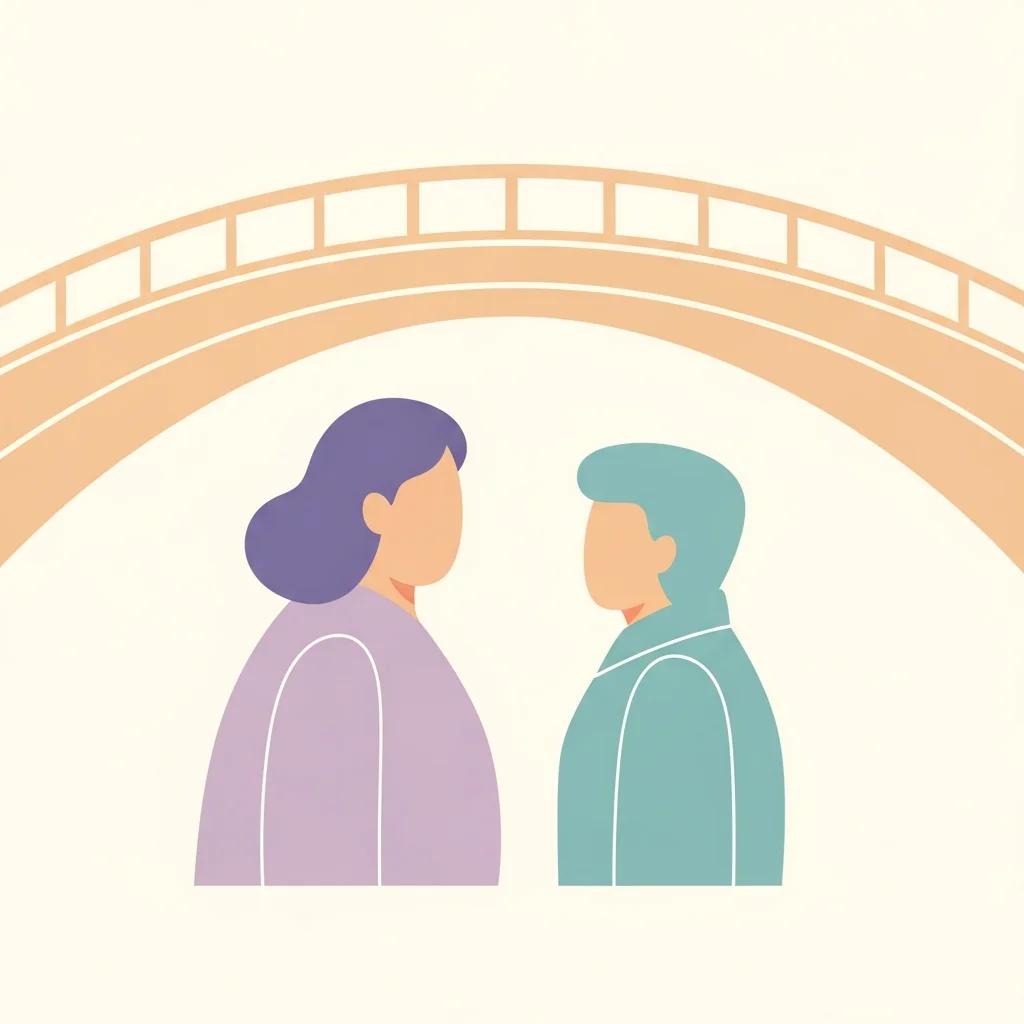
The bridge is built through finding balance and compromise. A rich and dynamic life can be maintained while respecting the need for advance preparation. Collaborating on calendar management, communicating alternative plans in advance in case of cancellation, and allowing adjustment time for transitions between activities, enable both partners to meet their different needs without creating unnecessary turbulence in the relationship.
In conclusion, a successful relationship between an autistic person and a neurotypical person does not require treatment or correction of either party. It requires curiosity, openness, and a willingness to see the world through a different neurological lens. When accommodations are made out of mutual respect rather than a sense of sacrifice, the resulting connection is often genuinely, stably, and refreshingly free of ego games.
Frequently Asked Questions
How can differences in information processing and communication between autistic and neurotypical people affect a relationship?
Differences in communication, sensory needs, and information processing can lead to frustration and distance, but mutual understanding and adopting a social model that recognizes Autism as a natural variation open the door to a deep and authentic connection.
Why might direct communication from autistic people be misinterpreted by neurotypical partners, and how can this gap be bridged?
Direct and literal communication from autistic people, which contrasts with communication relying on subtext and hints in the neurotypical world, may be interpreted as tactlessness or insensitivity. Bridging the gap requires transparent and explicit communication, and letting go of the expectation of mind-reading.
What is "Camouflaging" in Autism, and how does it affect an autistic person's life in a relationship?
Camouflaging is an effort by autistic people to hide autistic traits and mimic neurotypical behaviors. This effort exacts an enormous emotional and physical toll, and in a relationship, the need for a safe space where one can Unmask is essential for regulation and recovery.
How does sensory sensitivity in autistic people affect their lives in a relationship, and what are possible ways to bridge the gap?
The Sensory Processing system of autistic people can make everyday stimuli overwhelming and painful. Sensory Overload requires a lot of energy and leaves few resources for emotional availability. Bridging the gap requires practical partnership in creating an adapted environment, advance planning, and developing exit strategies.