
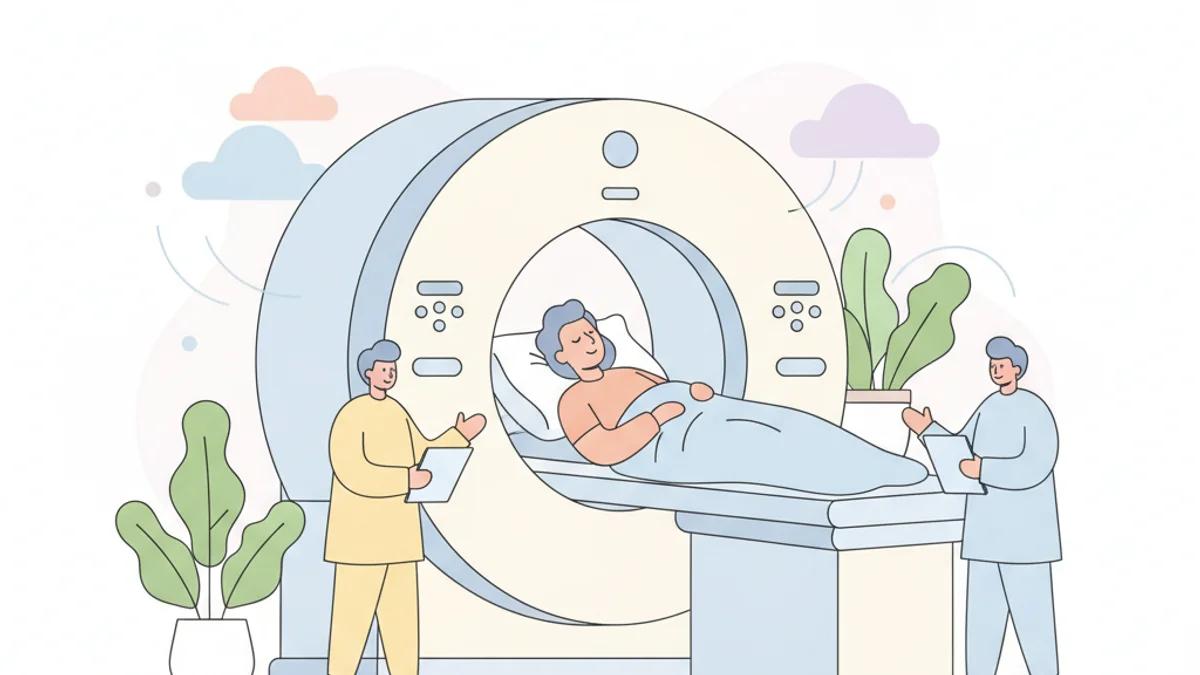
Receiving medical imaging services - such as X-rays, CT scans, or MRIs - can be a challenging experience for many people, and particularly for autistic adults. A new study published in J Med Imaging Radiat Sci, 2026 Sep, examined how radiographers in Australia perceive the challenges and opportunities in providing quality care to autistic people during imaging procedures.
The study, based on an online survey of 79 radiographers across Australia, sought to learn about their experiences, the challenges they encounter, the strategies they use to support autistic patients, and their training needs. The research team adopted respectful and identity-first language, recognizing Autism as an integral part of a person's identity.
Challenges and Solutions in Imaging Care
The study findings point to several key barriers in the care experience for autistic people: communication difficulties, lack of sufficient accommodations, and lack of specific training for individual needs. In addition, time pressures also emerged as a source of challenges during these medical procedures. In general, radiographers show a strong commitment to patient-centered care, but actual practices vary.
Conversely, the study also identified supportive strategies that can significantly improve the medical imaging experience for autistic people. These include:
- Effective and clear communication: Adapting communication methods to the specific needs of each person.
- Individualized and patient-centered care: Providing personal attention and adapting the medical procedure to the patient's unique abilities and sensitivities.
- Necessary accommodations: Making changes to the examination environment or the nature of the procedure to make it more comfortable.
- Advance preparation: Providing information and preparing the patient or their companion before the examination.
- Collaboration with caregivers or companions: Using the knowledge of companions to better understand the patient's needs and provide the necessary support.
It should be noted that the study, which included 79 radiographers, offers important insights, but its findings may serve as a starting point for further research that includes a larger sample.
Implications for Autistic Adults in Israel
The findings from Australia are also very relevant to the situation in Israel. The ability to receive quality medical imaging services, comfortably and safely, is a basic right. The study highlights the need for continued development of specific training for radiographers and other medical teams, to ensure consistency and continuous improvement in the approach to autistic people. Strengthening training and support can lead to a more positive, comfortable, and effective experience for autistic adults who require medical imaging tests.