

פרופילי בריאות שונים בקרב מבוגרים אוטיסטים: מחקר חדש
מחקר חדש מזהה שלושה פרופילי בריאות ייחודיים בקרב מבוגרים אוטיסטים המבקשים שירותי טלה-רפואה, מה שמצביע על שונות גדולה בחוויית הבריאות שלהם.
Here we write, in plain language, about new research that touches adult life on the spectrum - late diagnosis, employment, housing, rights, sleep and relationships. Every article names the study it is based on so you can check it yourself. Articles are currently written in Hebrew.
מחקר חדש מזהה שלושה פרופילי בריאות ייחודיים בקרב מבוגרים אוטיסטים המבקשים שירותי טלה-רפואה, מה שמצביע על שונות גדולה בחוויית הבריאות שלהם.

מחקר מקרה ראשוני מציע שכיסוי חגורת בטיחות מיוחד, הניתן להתאמה אישית, עשוי לסייע במניעת פתיחת חגורה במהלך נסיעה אצל אנשים אוטיסטים עם הפרעת קשב.

מחקר חדש מצא כי בוגרים אוטיסטים מדווחים על רגישות גבוהה יותר לכאב חברתי בהשוואה לבוגרים שאינם אוטיסטים, כאשר ממצא זה קשור להערכה עצמית נמוכה יותר.

מחקר חדש בחן את הקשר בין שימוש בתרופות אנטיכולינרגיות לבין קשיי זיכרון ושינויים קוגניטיביים בקרב בוגרים אוטיסטים בעלי צרכי תמיכה גבוהים. הממצאים מצביעים על כך שרבים מהם נוטלים תרופות אלו, וקיים קשר לממצאי זיכרון ירודים כפי שדווחו על ידי מטפלים.

מחקר חדש מבריטניה מצביע על עלייה משמעותית בשימוש בתרופות נוגדות דיכאון בקרב בוגרים על הספקטרום האוטיסטי לאורך השנים, גבוהה יותר מהעלייה בקרב האוכלוסייה הכללית.

מחקר חדש בחן את מידת ההתאמה של כלי הערכה קיימים למדידת תכונות אוטיסטיות בקרב נשים. הממצאים מצביעים על כך שכלים אלו אינם מכסים באופן מלא את מכלול החוויות הייחודיות של נשים אוטיסטיות.

מחקר חדש פיתח מאגר כלים מקיף המאפשר לבוגרים אוטיסטים עם מוגבלות קוגניטיבית למלא שאלונים ולשתף את חוויתם, ובכך להנגיש את קולם למחקר על איכות חיים ושירותים.

מחקר חדש בחן את ההשפעה ארוכת הטווח של מאפיינים אוטיסטיים על איכות החיים בקרב בוגרים עם הפרעה דו-קוטבית, ומצא קשר לחוויה מתמשכת של קשיים בתפקוד החברתי.

מחקר חדש מצא כי קיים פער בין תחושת הכאב הסובייקטיבית לבין התגובה המוחית לגירויי כאב אצל מבוגרים אוטיסטים, במיוחד אצל נשים אוטיסטיות.

A new study examines the effectiveness of social-cognitive skills training and finds significant benefits in daily functioning for adults on the Autistic Spectrum.

New research indicates a strong link between sense of coherence - the ability to perceive the world as understandable and manageable - and the quality of life of autistic adults.

A new study explores an innovative training system that uses graphic avatars to help autistic adults improve essential social skills. The findings indicate potential for strengthening self-efficacy and reducing anxiety in everyday social situations.

A new study examines the social participation of autistic students in academia, revealing that even when participation metrics are similar, the internal experience can differ significantly.

A new study examines the link between sleep difficulties and mental health in middle-aged and older autistic adults, indicating a higher prevalence of sleep problems in this population. The findings highlight the importance of addressing these difficulties, especially in the context of anxiety.

New research reveals that special interests serve as a vital resource for emotional regulation and learning for autistic adults, despite common stigma.

Preliminary research presents a digital program for parents that helps maintain employment readiness skills in autistic adolescents and young adults during summer vacation.

A new study indicates that personal and social factors in the lives of parents of autistic adults, rather than the characteristics of the adults themselves, are the primary predictors of their mental health.

New research shows that integrating neurodivergent adults into virtual reality technology development teams leads to significant growth in technical skills and self-confidence.

New research reports significant difficulties in achieving independent living for autistic adults in middle age, leading to an early need for support typically associated with older age. The study highlights the importance of adapting support systems to the unique needs of this population.

A new study explores the experiences of transgender and gender-diverse autistic adults receiving gender-affirming hormone therapy. Findings indicate improved quality of life and occupational identity, alongside unique challenges in the process.
New research reports on cases of a rare metabolic syndrome, SSR4-CDG, offering important insights into the disease's progression in adulthood, including diverse neurological manifestations that may include Autistic Spectrum characteristics.

A new study examines the link between the level of autistic traits and dissociative phenomena in adults, offering important insights for a better understanding of mental health challenges.

New research offers insights from expert therapists on psychological treatment processes for autistic adults with co-occurring psychological conditions, emphasizing a shift towards a tailored approach that supports self-acceptance.
New research found a significant link between unique sensory processing patterns and autistic traits in adults, indicating these exist on a broad continuum in the population.

A new study found that a short questionnaire may identify significant patterns of attenuated psychotic symptoms in autistic adults, indicating an increased risk in this group.

A new study found that autistic traits are common among adults with various eating disorders and are associated with greater clinical severity.

New research from Brazil reveals the communication difficulties autistic women face during pregnancy, childbirth, and postpartum. The findings highlight the need for systemic accommodations to improve care.

A new study examined the knowledge and comfort levels of nursing faculty regarding Autism and found significant gaps in training. The findings highlight the need for improved preparation to train future nurses.

A new study found that shared family participation in physical activity is associated with higher activity levels among autistic adults.

New research highlights that autistic people and people with ADHD may experience menopause as particularly challenging, as hormonal changes can intensify aspects of neurodiversity and exacerbate co-occurring medical conditions.

New research examines the experience of intuitive eating among autistic adults and AuDHD adults, revealing important nuances compared to the general population.

A recently published study examines which factors influence the quality of life of autistic adults, pointing to important insights for policy making.

A new study examines changes in quality of life, anxiety, and sleep quality among autistic adults treated with medical cannabis products, indicating an improvement in these measures.

A new study found a link between passive social media use and a tendency towards social withdrawal among autistic young adults and those with ADHD.
A recent study sheds light on a possible genetic link between neurodevelopmental disorders, including Autism, and Dystonia - a movement disorder affecting muscles. The findings highlight the importance of late genetic diagnosis.

A preliminary study examined the link between psychological flexibility processes and improved quality of life in autistic adults, highlighting the importance of personal values.

A new tool for measuring positive body image in gender-diverse autistic adults has been found reliable and effective, indicating a positive link to better mental health.

A preliminary study explored an AI-powered conversational platform designed to support personal history documentation and referral preparation for adults interested in exploring autistic traits. Findings indicate high feasibility and acceptability among participants.

New research examines a social cognition assessment tool for autistic adults, indicating differences in how they interpret social situations.

A new study examines the feasibility and accuracy of remote tools - including telehealth and wearable technologies - for assessing physical function and physical activity in autistic adults. The goal is to improve access to care.

Preliminary research found a positive correlation between positive body appreciation and aspects of mental well-being, such as positive self-esteem and a sense of personal flourishing, among autistic adults.

A new study explores why autistic adults and those with ADHD sometimes seek to re-evaluate their diagnoses, finding that childhood diagnoses can become restrictive in adulthood.

A survey of radiographers in Australia examined the challenges and solutions in providing quality medical imaging services to autistic people. The study highlights the importance of tailored communication and dedicated training.

A new study reveals the depth and significance of friendships among autistic adults. It challenges stereotypical perceptions and emphasizes the importance of mutual acceptance and authenticity in these relationships.
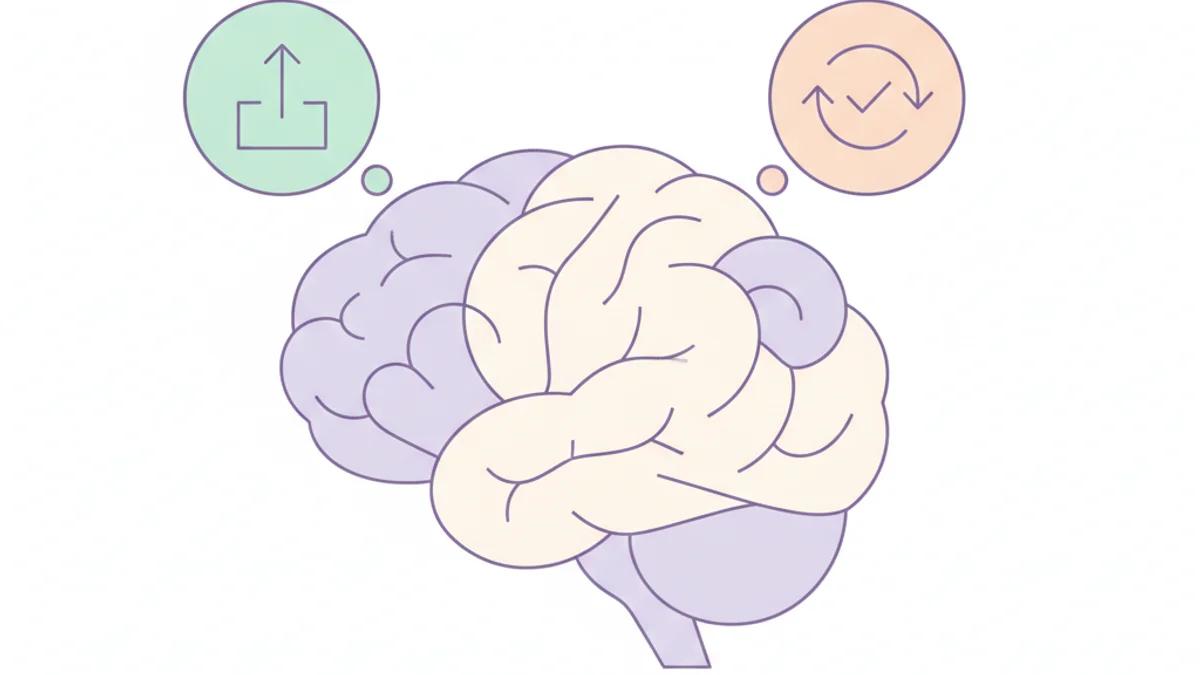
New research shows that learning methods involving retrieval practice followed by feedback significantly help both autistic and non-autistic individuals.

A preliminary study found that an experiential workshop, including a simulation of sensory and social challenges, immediately improved social attitudes, knowledge, and the ability to understand different perspectives towards autistic people among caregivers.

A new study explores what makes autistic adults feel comfortable and secure participating in clinical drug trials, and suggests ways to improve the experience.

A new study examined the link between Executive Functioning, such as cognitive flexibility and emotion regulation, and signs of anxiety and depression in autistic adults with high support needs. The findings highlight the importance of these areas for future interventions.

New research examined the social experiences of autistic students in Hong Kong and the support they receive, highlighting the need for personalized and culturally sensitive approaches.

A study examined what influences the communication experience of autistic adults and found that environment, emotional state, and partner identity play a crucial role.

A new study examined the experiences of healthcare professionals in Australia providing care to autistic individuals during pregnancy and early parenthood. The findings highlight the need for targeted training and systemic changes to improve the quality of care.

New research examined strategies used by autistic adults to cope with listening difficulties in noisy environments, finding a wide range of independently developed solutions.

A new study examined how autistic adults in their self-identification process understand their identity and how it relates to a formal diagnosis. The findings indicate a highly dynamic and personal process.

New research examined the challenges autistic people describe when completing self-harm questionnaires, pointing to the need for accommodations to obtain a more accurate and authentic picture.

New research suggests that intolerance of uncertainty and negative problem orientation may explain the strong link between autistic traits and anxiety and depression in adults.

A study found a significant link between Intellectual Developmental Disorder (IDD) and multiple mental health conditions among adults hospitalized for severe self-harm. The findings highlight the importance of IDD diagnosis in such cases.

A new study examines a visual assessment tool that allows autistic adults to describe experiences of self-harm, identifying preceding and subsequent factors.

New research found that actively using multiple languages may be linked to a reduction in autism-related social characteristics in adults, especially in autistic people.

A new study examines how autistic people anticipate pain, indicating that their decision-making and evaluation processes differ. It also found that the hormone oxytocin can specifically influence some of these processes.

A new study examined how psychiatric comorbidities, including Autism, affect the adaptive functioning of people with intellectual disability or borderline intellectual functioning. The findings highlight the importance of considering the full range of diagnoses for accurate assessment.

New research suggests that autistic midwives may offer unique understanding and support to autistic women during childbirth, thanks to their personal familiarity with the autistic experience.

A new study investigated how participation in a neurodiverse choir impacted non-autistic people's perceptions of Autism. The findings indicate a positive and profound shift in these perceptions, highlighting the value of inclusive encounters.

A new study examines the experiences of neurodivergent people, including autistic people, in the blood donation process, pointing to barriers, feelings of discrimination, and the need for specific accommodations to fully include them.

A new collection of articles highlights the importance of understanding the experiences and needs of autistic adults, addressing developmental transitions unique to these periods.

A new study examined psychiatric hospitalization rates among adults with developmental disabilities, including those on the Autistic Spectrum, and found that despite generally higher rates, the likelihood of hospitalization decreases after adjusting for clinical and demographic characteristics.

A new study examined a dedicated health check designed for autistic people and found it to be acceptable, valued, and beneficial for participants, caregivers, and medical staff. The findings highlight the importance of the check-up in addressing health needs.

A new study examined the connection between Autism and Aphantasia, a condition characterized by the inability to voluntarily create mental images. The findings indicate a weak connection, mainly around sensory imagination of smell and taste.
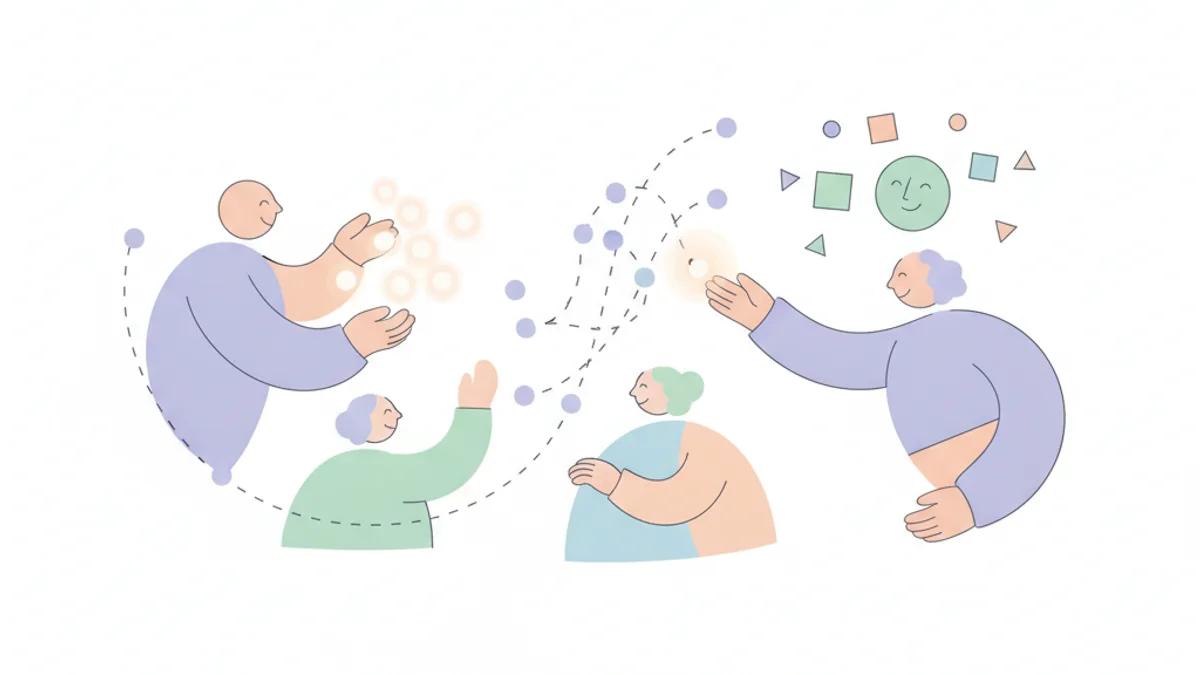
A pioneering study explores the potential of advanced technologies for faster and more accurate differential diagnosis between Autism Spectrum Disorder and Borderline Personality Disorder, by analyzing short social interactions.

New research found that trauma-focused therapy significantly reduces PTSD symptoms in adults, including those with prominent Autistic Spectrum characteristics. The findings indicate that Autistic Spectrum characteristics do not hinder treatment success.

A qualitative study reports that known cognitive concepts of anxiety are highly relevant to autistic adults, highlighting the need to improve existing support systems.

A new study examined the questionnaire for measuring camouflaging behavior - attempts to mask autistic traits in social settings - and adapted it for cultural use. The findings indicate a reliable tool for understanding hidden social effort.

A new study examined the attitudes of autistic adults and parents of autistic children toward genetic research, finding a generally positive approach alongside significant concerns about the misuse of genetic information.

A new study explores the preferences and perceptions of autistic adults regarding relationships with other autistic people, revealing the great value they find in mutual understanding and authenticity, alongside potential challenges.
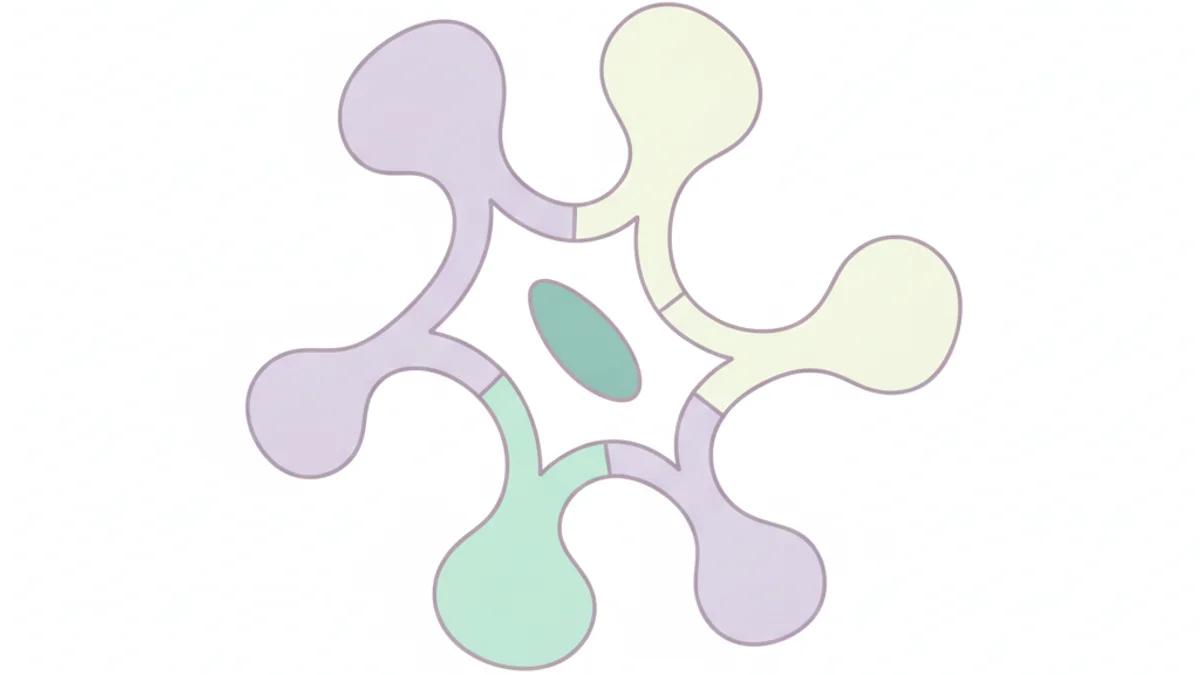
New research examined the network of connections between social understanding, self-perception, and psychosocial challenges in autistic adults, finding their structure to be unique and less integrated compared to non-autistic adults.

A new study examined the effect of the nutritional supplement quercetin on autistic adults and found preliminary results indicating a potential for improving social quality of life.

A new study examines the link between the ability to remember to perform future actions (prospective memory) and executive functioning in autistic adults, suggesting ways to support daily life.

New research suggests that stereotypes about autistic people are more complex than previously thought, indicating distinct perceptions regarding social traits and abilities.

A new study examines an AI-based tool to assist with digital communication among young autistic people. Initial findings indicate improved communication clarity, reduced anxiety, and increased self-confidence.

A new study examines the experiences of autistic adults transitioning to adult healthcare services, highlighting significant challenges in achieving independence in this area.

A new study examined how adults with autistic traits perceive pauses between pauses between speakers in conversation, finding differences in their brain response to prolonged pauses.

A new study reports on a training developed in collaboration with autistic adults, aimed at increasing doctors' confidence and knowledge in providing primary care to autistic people.
Our articles are written in-house based on published research, in accepting, non-medical language. They are general information, not medical or therapeutic advice, and the decisions are always yours.
A new article every few days, straight to your inbox. No spam, you can unsubscribe at any moment.