
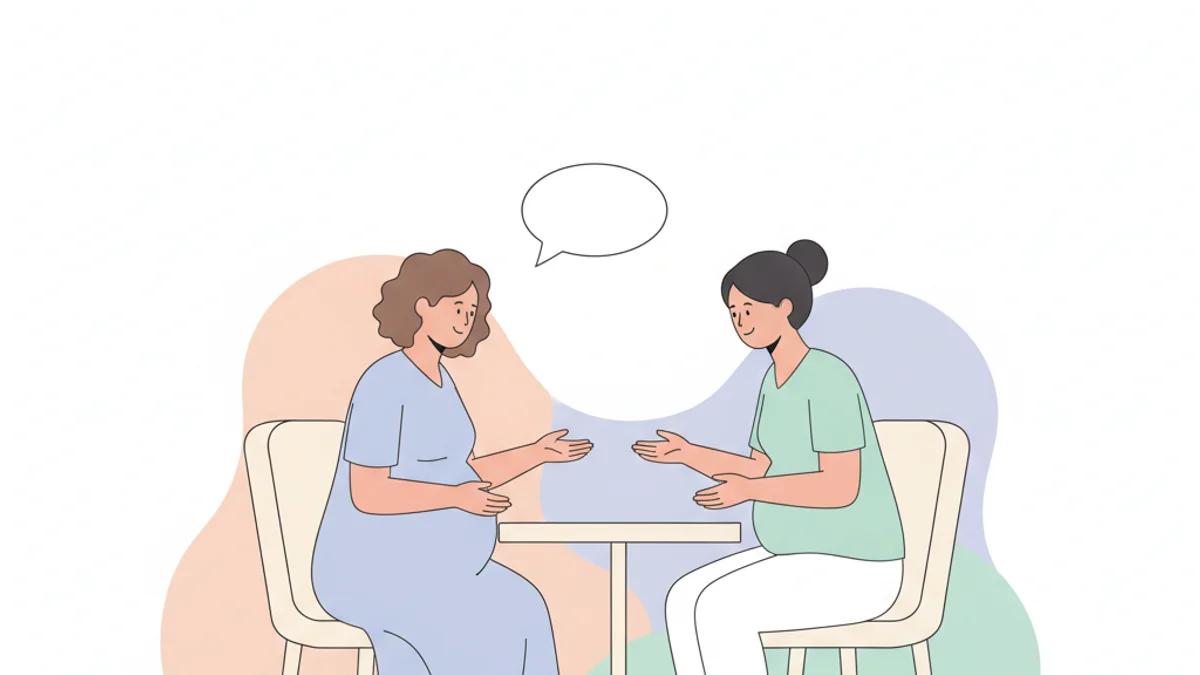
Pregnancy and childbirth are significant periods in many women's lives, accompanied by frequent interactions with the healthcare system. For autistic women, this period can be particularly complex due to various communication barriers in perinatal care. These barriers, as reported by the current study, contribute to increased obstetric and perinatal risks.
What Was Examined and How
A study published in PLoS One, 2026 Sep 16, aimed to examine communication barriers in perinatal care as experienced from the perspective of autistic women in Brazil who underwent pregnancy, childbirth, and postpartum care. The study used a qualitative approach, collecting evidence through semi-structured interviews with a group of autistic women, some with complex communication needs, who participated in the study using adapted and accessible formats.
Key Findings
Analysis of the participants' stories and testimonies revealed three main themes:
- Unique communication needs that go unrecognized: Many autistic women present specific communication needs, such as difficulty identifying and expressing emotions (Alexithymia), Hyper Sensitivity, and a deep need for certainty and predictability. Often, these needs are not identified or adequately addressed by medical staff.
- Institutional and interpersonal communication failures: The study pointed to instances of invalidation of symptoms, disrespectful care, and even the exclusion of non-verbal autistic women from the communication and care process. These failures reflect a lack of understanding and adaptation by the system.
- The power of respectful and effective communication: Women who experienced adapted communication reported an increased sense of security and autonomy. This demonstrates the critical importance of adapted communication strategies for promoting safe and inclusive care.
Significance of the Findings for the Autistic Spectrum Community
These findings indicate that communication barriers in perinatal care for autistic women are often systemic, rather than stemming from individual difficulties of the women themselves. This perspective, consistent with the Neurodiversity model and the Social Model of Disability, calls on healthcare systems to take responsibility and make accommodations. Accessible communication and training for medical teams are essential steps to promote respectful, safe, and inclusive perinatal care for autistic women.
It is important to remember that this is one qualitative study, and its findings, even if from abroad, echo the global need to improve services for autistic adults. Continued research and implementation of its recommendations can greatly contribute to improving the care experience of autistic women in Israel and beyond.