
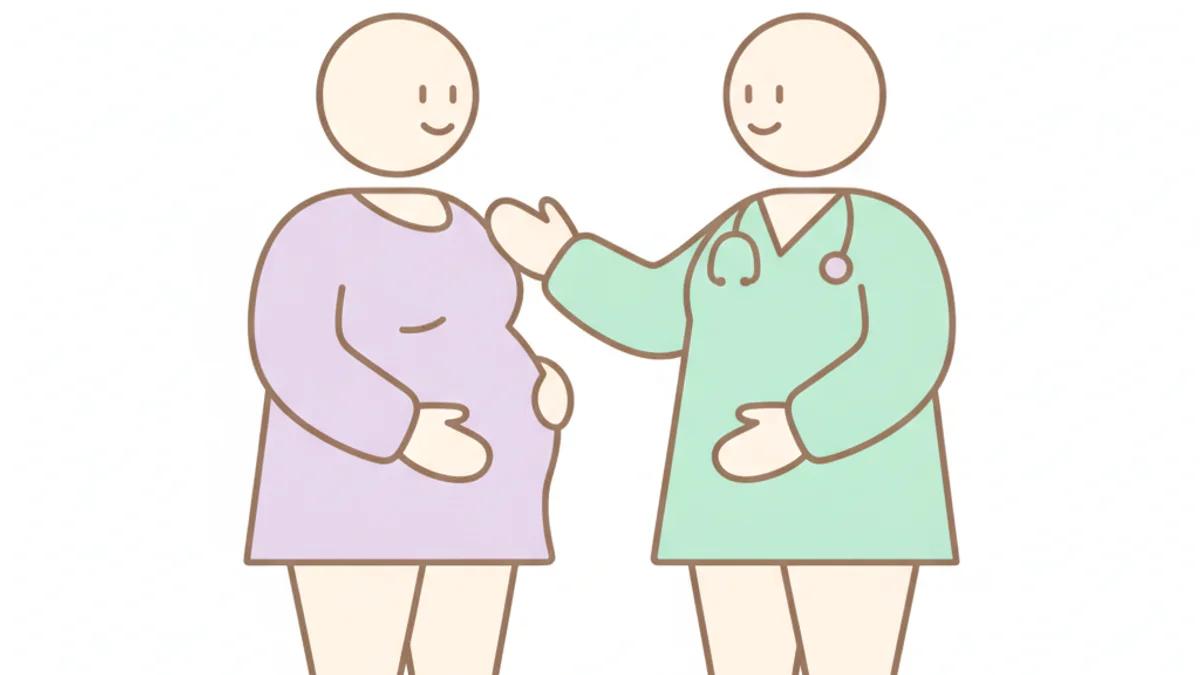
Autistic people may experience environmental, communication, and interaction difficulties within the healthcare system, particularly within midwifery and maternity services. Previous studies have indicated higher rates of mental well-being challenges and health inequalities for autistic women during pregnancy and childbirth. Despite growing recognition of the unique needs of autistic women during this period, autism-specific guidelines and mandatory training for midwifery staff remain limited.
A groundbreaking new study, published in the journal Midwifery, 2026 Oct, examined the experiences of both autistic and non-autistic midwives in providing care to autistic women. Until now, the impact of shared neurotype on understanding and addressing these needs had not been investigated. The study sought to understand whether an autistic neurotype in the caregiver affects the quality of support.
The study was qualitative in nature, delving deeply into participants' experiences through semi-structured interviews. It is important to note that this is preliminary research, with a limited number of participants - five autistic midwives and five non-autistic midwives. The findings, therefore, point to interesting directions but require further research for confirmation.
Surprising Findings: Significant Differences in Approach
The researchers report that both autistic and non-autistic midwives recognized the existence of communication, sensory, and processing differences in autistic women, and understood that the birth experience could be stressful for them. However, significant differences were found in how each group understood and responded to these needs.
- Autistic Midwives: Described a sense of "autistic resonance," characterized by prior understanding, intuitive identification of needs, proactive adjustments, and confidence in their ability to provide appropriate support. Their personal experience appears to contribute to a deeper understanding.
- Non-Autistic Midwives: Tended to rely more on knowledge gained from observations, overt signs of distress, and disclosure of diagnosis. They responded primarily after the need became visible and clear.
The combined analysis of the findings suggests that autistic birth experiences are shaped by interactions between autistic modes of care experience, the relational dynamics of neurotypes, and midwifery systems often organized in a neurotypical-centric manner. The findings indicate that autistic midwives may draw on forms of "experiential neurotype matching" that support the identification, interpretation, and adaptation of autistic needs, in a way not consistently accessible through observational knowledge alone.
What Does This Mean for the Autistic Community in Israel?
These preliminary findings extend the "Double Empathy Problem" theory to the field of midwifery services and propose a model of midwifery care based on relational neurotype matching. The study emphasizes that experiential knowledge based on a similar neurotype constitutes an important form of professional expertise.
For autistic adults in Israel, and particularly for pregnant and birthing women, this research offers hope and the possibility of significant improvement in healthcare services. It indicates that autistic midwives, and more broadly, autistic professionals, may have a unique advantage in contributing to the co-development of inclusive and neurodiversity-affirming healthcare services. Integrating this expertise into the design of midwifery practices, service planning, policy development, and autism-specific training can lead to a better and more tailored birth experience for autistic women.