Understanding Neurodiversity involves recognizing that people differ in many ways, including how their brains function, experience the world, and communicate. This perspective allows us to view differences in movement, coordination, and communication not as "deficits" to be "fixed," but as natural expressions of unique neurological profiles. For many adults on the neurological spectrum, life presents unique challenges and opportunities in these areas, requiring an empathetic, science-based, and non-judgmental approach. We aim to understand the complexity of these experiences from the perspective of the individuals themselves, focusing on supportive strategies and promoting acceptance.
Within the Social Model of Disability, we recognize that difficulties often arise from a mismatch between how individuals experience and function and societal expectations and unaccommodating environments. Many autistic people describe how they cope with a world not structured according to their needs, leading to feelings of exhaustion or misunderstanding. A deep understanding of differences in movement, coordination, and various forms of communication is the first step toward creating inclusive and supportive environments that allow everyone to reach their full unique potential.
Differences in Movement and Sensory Perception
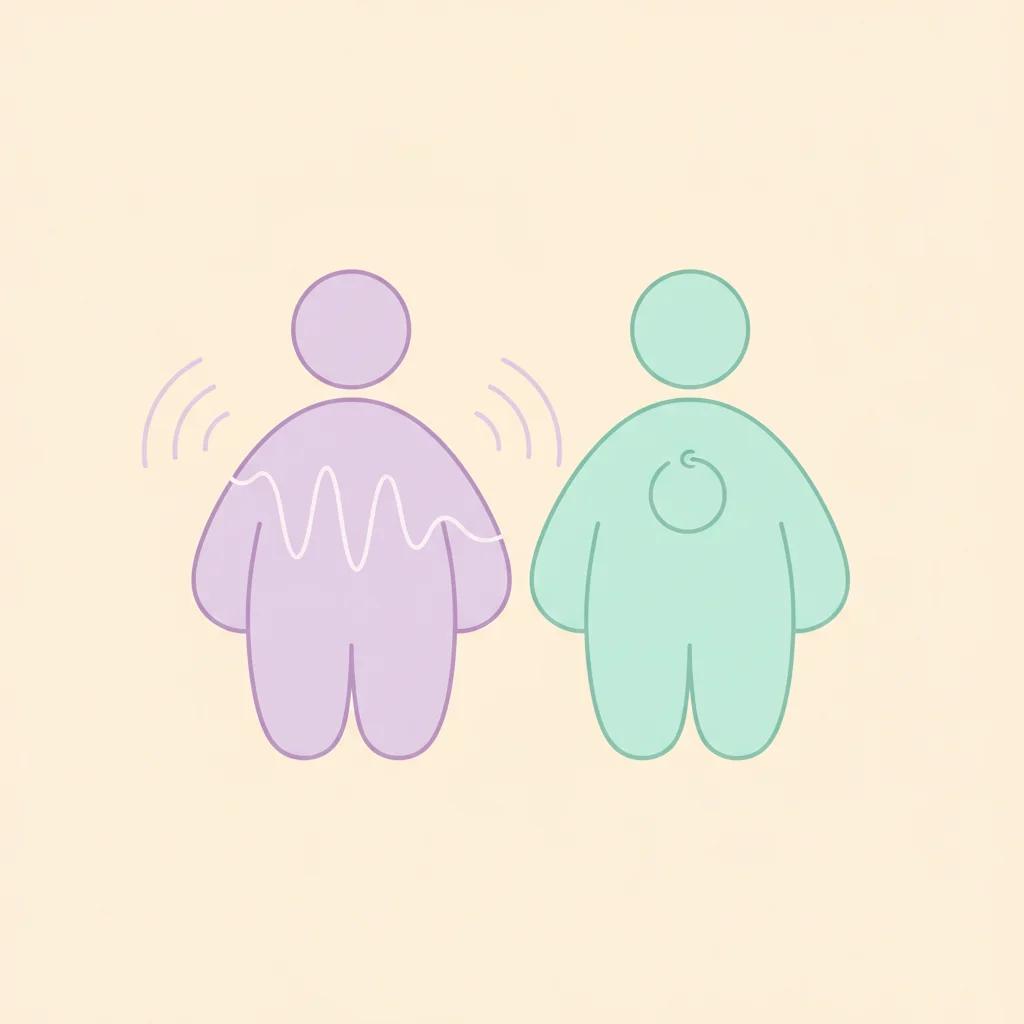
Differences in how the body experiences and moves in the world are common among autistic people. For many, sensory input may be heightened or diminished, directly affecting movement comfort, interaction with the environment, and even self-regulation abilities. These responses can manifest in many ways, from constant movement that serves regulatory needs to a deep sense of exhaustion from daily stimuli that others do not notice. Many people describe how they must exert significant conscious effort to navigate stimulus-rich environments, which takes a considerable energetic toll.
These experiences can include Hyper Sensitivity to certain noises, lighting, clothing textures, or even how certain objects feel to the touch. The impact of these sensitivities on movement is evident in various ways: for example, an overly noisy environment can make it difficult to plan and execute simple movements, or lead to Stimming as a way to regulate the nervous system. These movements, such as rocking, tapping, or using headphones, are often effective regulation strategies that allow people to function in environments that might otherwise be overwhelming for them.
One of the essential aspects of this difference is the struggle with energy regulation. Some people report the ability to work intensely and dedicatedly for many hours in a Special Interest, but struggle with simple daily tasks that require flexibility or change. Others experience a feeling that the body does not cooperate with their will, describing it as "writing checks the body cannot cash." Unexplained fatigue, or difficulty recovering from a short night's sleep, are also common. Recognizing these unique energy profiles is crucial for developing strategies for effective resource management and preventing chronic exhaustion.
Coordination and Action Organization
Coordination, the ability to synchronize movements between different body parts and between movements and the environment, varies greatly among people, and among autistic people, it can present unique characteristics. This does not necessarily manifest as a general difficulty with movement, but often as a Spiky Skills Profile - exceptional proficiency in certain areas, alongside unexpected challenges in other areas considered simple. For example, a person may be highly skilled in complex tasks requiring great precision, but struggle with the coordination needed for routine daily tasks, such as navigating a crowded supermarket or organizing items in a changing space.
Difficulty in organizing and planning complex actions, or tasks requiring multiple steps, is another aspect of differences in coordination. Autistic people sometimes describe frustration when they are required to make unexpected changes to their routine, even if they are relatively minor. A small change in the arrangement of objects or a familiar route can require a particularly large investment of mental and cognitive energy. The "overthinking" or "continuous analysis" of situations, even after they have ended, can also indicate increased cognitive effort involved in planning and executing actions, especially those requiring coordination and flexibility.
Difficulty with coordination can also manifest in how people manage their time and tasks. The phenomenon of "pre-procrastination," which describes procrastination stemming from the need to complete small, easy tasks before being able to attend to larger, more complex ones, reflects this characteristic. In these cases, the brain prefers to engage in activities with a clear nature and immediate results, even if they are not the most urgent, due to the difficulty in dealing with the uncertainty or complexity of the main task. Understanding these coping strategies allows people to leverage their unique strengths and develop alternative ways to achieve goals, taking into account their individual cognitive and motor profile.
The World of Communication and Social Interaction
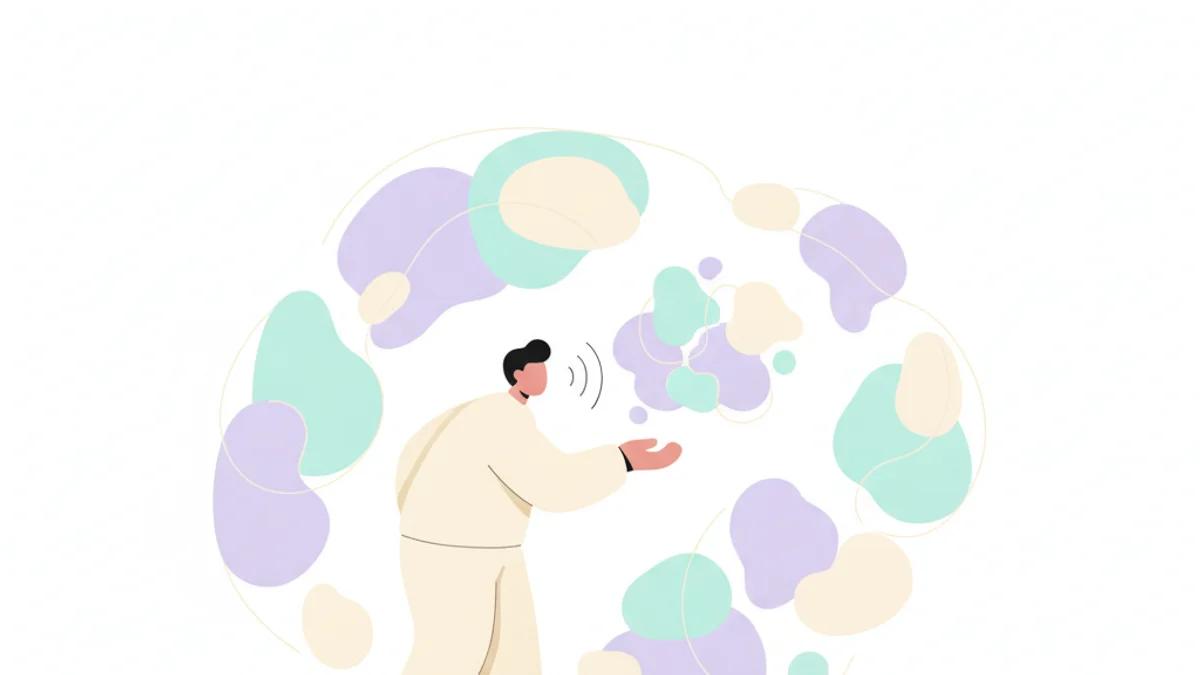
Communication is a cornerstone of human interaction, and among autistic people, it is often characterized by unique patterns and specific challenges. Many autistic people describe a feeling of "lack of synchronization" with their peers, difficulty understanding social cues that are not explicitly stated, or difficulty engaging in "small talk" that is perceived as purposeless. These interactions often require significant mental effort, including learning "social scripts" and constantly monitoring one's own and others' behavior, leading to significant social exhaustion.
One of the key characteristics is the difference in how information is received and processed. Some people struggle to remember written information and prefer face-to-face communication or explicit, short instructions. Others may express themselves in a very detailed manner, sometimes appearing to be "Info Dumping," in an attempt to prevent misunderstandings, but the abundance of information itself can create further confusion. These patterns, along with possible difficulty with eye contact or facial expressions, do not indicate a lack of social interest, but rather a different communication style that requires understanding and adaptation from the environment. Many experience frustration when their attempts to communicate are misunderstood, or when incorrect assumptions are made about them.
The ability to identify and manage emotions, both one's own and others', is a learned skill for many, and not as "natural" as it is for others. A sense of unawareness of one's own emotions until they reach great intensity, or difficulty understanding the complexity of others' emotions, leads to communication challenges. The three-stage communication model - making contact, providing background, and then presenting the message - can significantly help reduce misunderstandings. It is important to remember that effective communication depends not only on the speaker's ability but also on the listener's willingness to understand and adapt their expectations. Building communication bridges requires mutual effort and acceptance of diverse communication patterns.
Coping and Supportive Strategies
Recognizing differences in movement, coordination, and communication profiles is the first step toward developing effective coping strategies. For many autistic people, this process involves deep self-learning: understanding their unique strengths, identifying specific challenges, and developing creative ways to navigate the world. Many adults report that discovering their personal neurological profile was a pivotal moment, allowing them to understand years of experiences and find a supportive community that understands their uniqueness.
One of the central strategies is cultivating self-awareness. The ability to identify your emotional and sensory state at any given moment, to understand what triggers overstimulation or exhaustion, and to act accordingly, is crucial. This includes learning to listen to your body's signals, even when they contradict the mental desire to do more and more. Effective energy management, which includes allocating time for rest, Special Interests, and regulation activities, is essential for preventing Autistic Burnout. Many people find that a structured and clear routine, along with some flexibility to adapt it to changing needs, helps them function optimally.
Regarding coordination and movement, a strengths-based approach can be adopted, focused on improving existing abilities, while compensating for gaps through compensatory strategies. Instead of trying to "be good at everything," one can focus on areas where there is a natural tendency to excel, and also learn to use tools or work methods that reduce demands in areas of difficulty. In communication, practicing specific skills, such as using clarifying questions, providing an introduction to a conversation, or requesting explicit communication, can significantly improve interaction. It is important to remember that the goal is not to "be normal," but to be authentic, functional, and healthy, with full acceptance of one's unique neurological profile. Finding a supportive community, whether online or in person, is a critical component of this process, providing a safe space to share experiences, learn from others, and receive validation.
Frequently Asked Questions
How does neurodiversity affect movement and coordination?
Neurodiversity can affect movement and coordination in diverse ways, sometimes manifesting as a "Spiky Skills Profile" - excellence in certain areas and challenges in others. This can include difficulty planning complex movements, navigating changing environments, or unusual responses to sensory stimuli that affect movement.
Why can communication be challenging for autistic people?
Communication is challenging when there are unique information processing patterns, difficulty understanding non-verbal social cues, or a tendency for particularly explicit and detailed communication. Social fatigue and the need for conscious effort in social interactions also contribute to these difficulties.
How can differences in movement or coordination be identified in adults?
Identifying differences in movement in adults involves observing unique patterns, such as difficulty performing certain motor tasks, difficulty adapting to physical changes in the environment, or a significant need for rest after physical or social activity. There is no single criterion, but rather a collection of experiences.
Is there a connection between movement differences and fatigue and Autistic Burnout?
Absolutely. The need to exert more effort in planning and executing movements, and in navigating an environment not adapted to sensory needs, takes a significant energetic toll. This can lead to chronic fatigue, exhaustion, and even Autistic Burnout if there is not enough time for recovery and regulation.
What strategies help cope with coordination and communication challenges?
Self-awareness, energy management, and building supportive routines are key strategies. In communication, using explicit communication, providing an introduction to conversations, and seeking supportive communities can greatly help. It is important to focus on strengths and develop creative compensatory methods.
Is "Stimming" (repetitive movements) related to movement differences?
Yes, many repetitive movements, known as "Stimming," are a common self-regulation method among autistic people. These movements help cope with sensory overload, regulate emotions, and restore physical and mental balance, and are an integral part of movement differences.