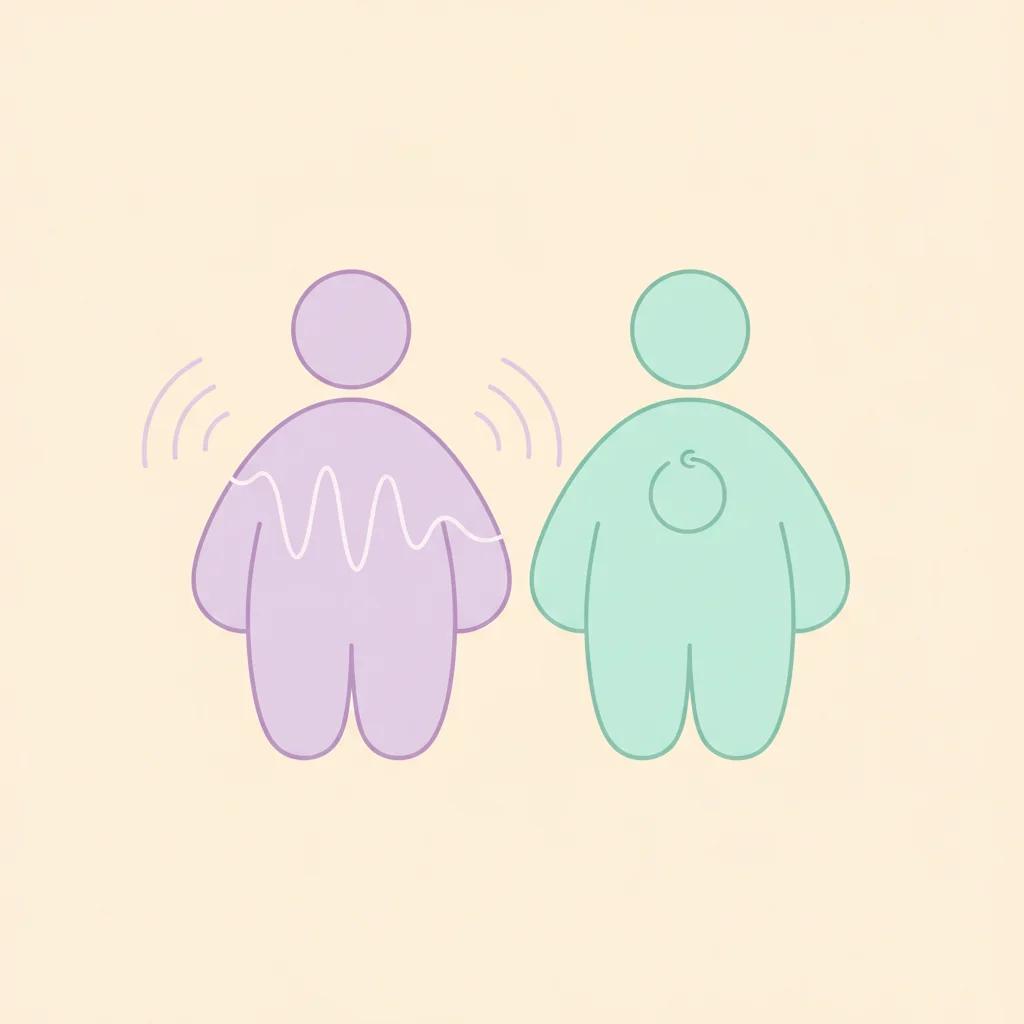
AuDHD is a popular cultural and identity term within the Neurodiversity community, a portmanteau of the words Autism and ADHD (Attention Deficit Hyperactivity Disorder). The concept describes the lived experience of people who have both of these neurological profiles simultaneously.
In the past, traditional medicine held the mistaken view that these two diagnoses were mutually exclusive (the DSM-4 diagnostic manual even officially prohibited diagnosing both together). It was only in 2013, with the release of the DSM-5, that the medical possibility of comorbidity (Medical Comorbidities) between them was recognized. Today, it is known that this is a very common combination, and a significant percentage of autistic people also have ADHD, and vice versa.
The AuDHD experience is not simply "Autism plus ADHD," but a unique, complex, and often contradictory interaction between two opposing neurological forces, creating a specific cognitive and emotional profile:
1. The Internal Battle of Minds (The Inherent Contradiction)
An AuDHD person often lives with the feeling that two parts of their brain are pulling in completely opposite directions:
The Autistic side: Desperately needs a consistent routine, order, predictability, repetition, a quiet and safe sensory environment, and deep engagement in one Special Interest over time (as described by the theory of Monotropism).
The ADHD side: Gets bored quickly with routine, constantly seeks novelty, excitement, spontaneity, high dopaminergic stimuli, and tends to switch quickly between topics and tasks.
This contradiction leads to a situation where the routine needed by the autistic side to avoid Sensory Overload and anxiety feels like a boring and depressing prison to the ADHD side. Conversely, the spontaneity and stimuli that ADHD craves can quickly lead the autistic system towards a Sensory Hangover, Meltdown, or Shutdown.
2. Cognitive Profile and Executive Functioning
Due to the Spiky Skills Profile characteristic of both diagnoses, challenges in Executive Functioning tend to amplify each other in the AuDHD profile:
Hyperfocus versus distractibility: The person can dive into extremely intense and deep Hyperfocus, but the difficulty in "shifting gears" becomes doubly complex.
Analysis Paralysis: The combination of the autistic need for comprehensive systemic analysis and attention to detail, along with the ADHD's difficulty with regulation and impulsivity, often creates complete "paralysis" when faced with simple daily tasks.
3. The Illusion of "Functioning" and Delayed Diagnosis
Many people with AuDHD experience a very late diagnosis (usually in adulthood), because the two neurological profiles tended to "Masking" and hide each other throughout childhood:
The impulsivity of ADHD may make a person appear more sociable or open externally, thereby masking the severe autistic difficulties in deciphering subtle social cues and the need for Masking.
The cognitive abilities and systemic focus of Autism may help the person compensate for the memory and organizational problems of ADHD in academic settings.
When this mutual compensation collapses - usually due to transitioning to the army, university, or work, where the demands of independent living increase - the person experiences a sharp decline and reaches a state of chronic Autistic Burnout.
4. The Emotional and Social Experience
The combination exposes the person to a high risk of Minority Stress and severe emotional vulnerability. The tendency for direct and Literal Thinking, combined with ADHD impulsivity, can lead to frequent social mistakes, amplifying the RSD and internalized Ableism (the internal feeling of "I am flawed in two different ways"). These individuals often find themselves vulnerable to manipulation or experiences of Mate Crime.
Furthermore, when adults with AuDHD begin targeted ADHD medication (such as stimulants), they often report an interesting phenomenon: once the ADHD symptoms "calm down," their Autism becomes much more prominent and rigid, and they require a deep process of Unmasking to learn to recognize the needs of both parts of their identity, allow themselves Parallel Play, and regulate their energy resources according to Spoon Theory.