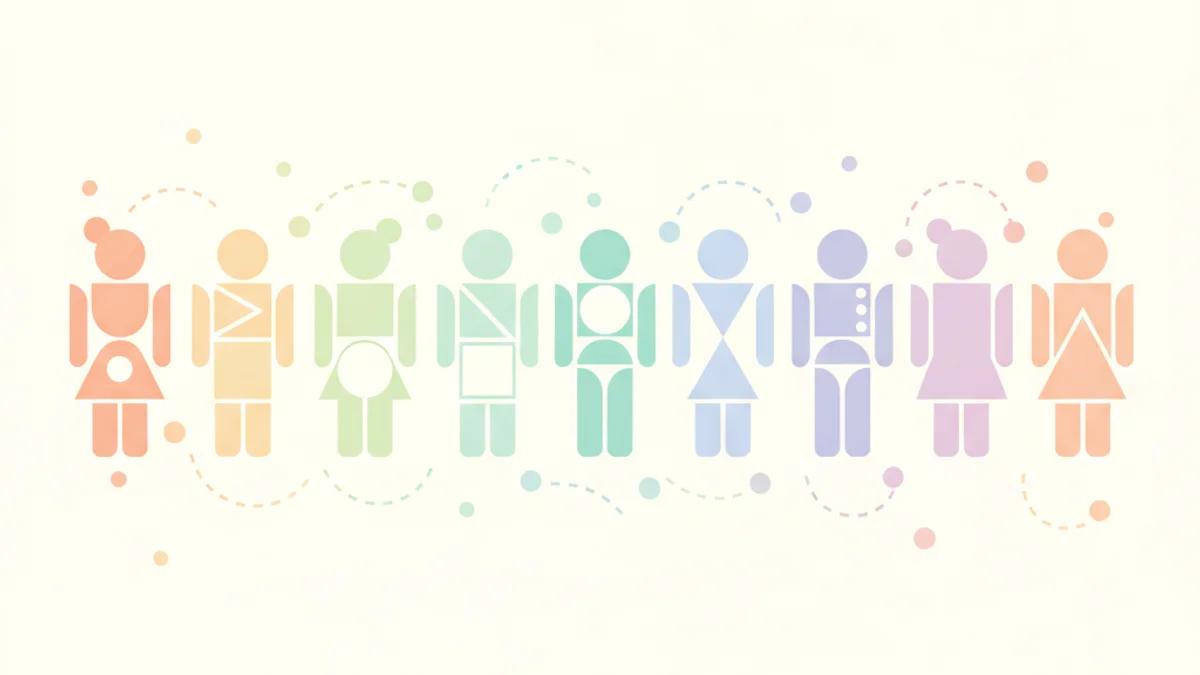
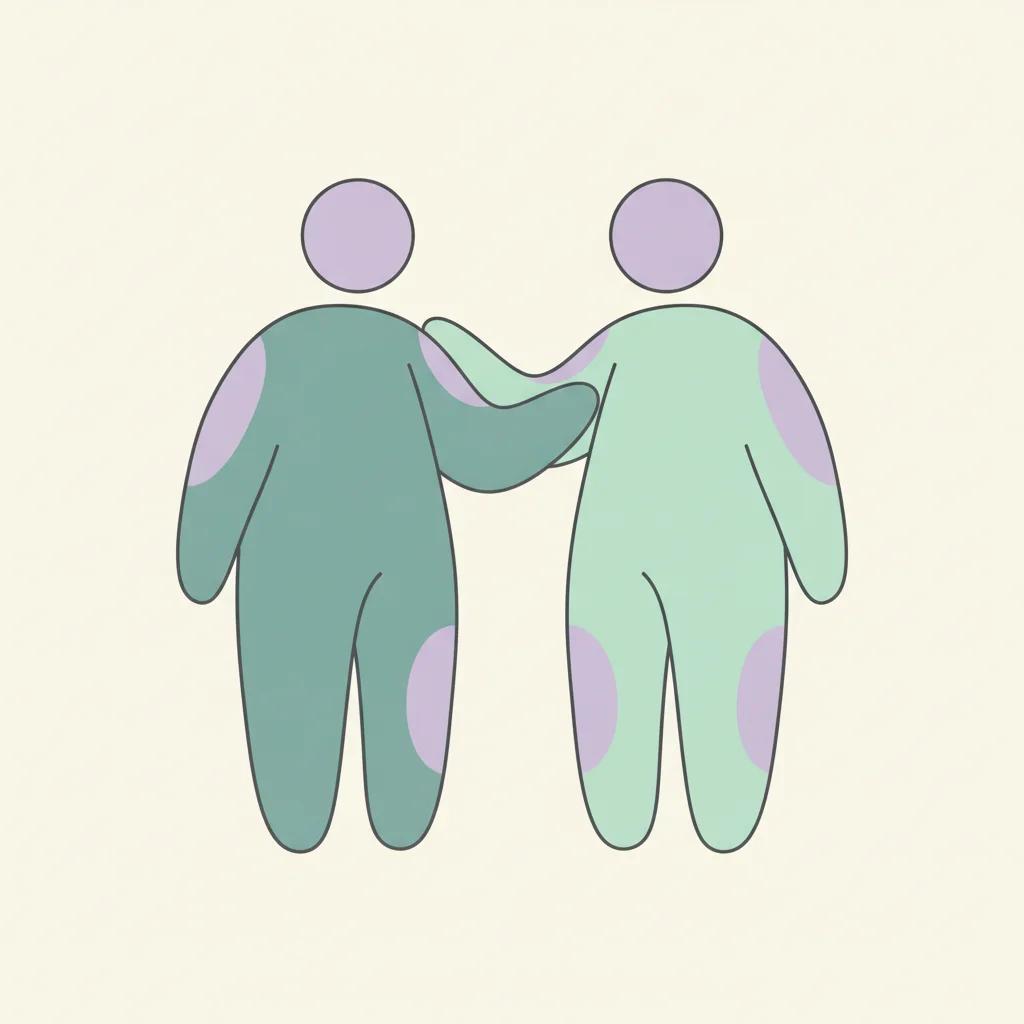
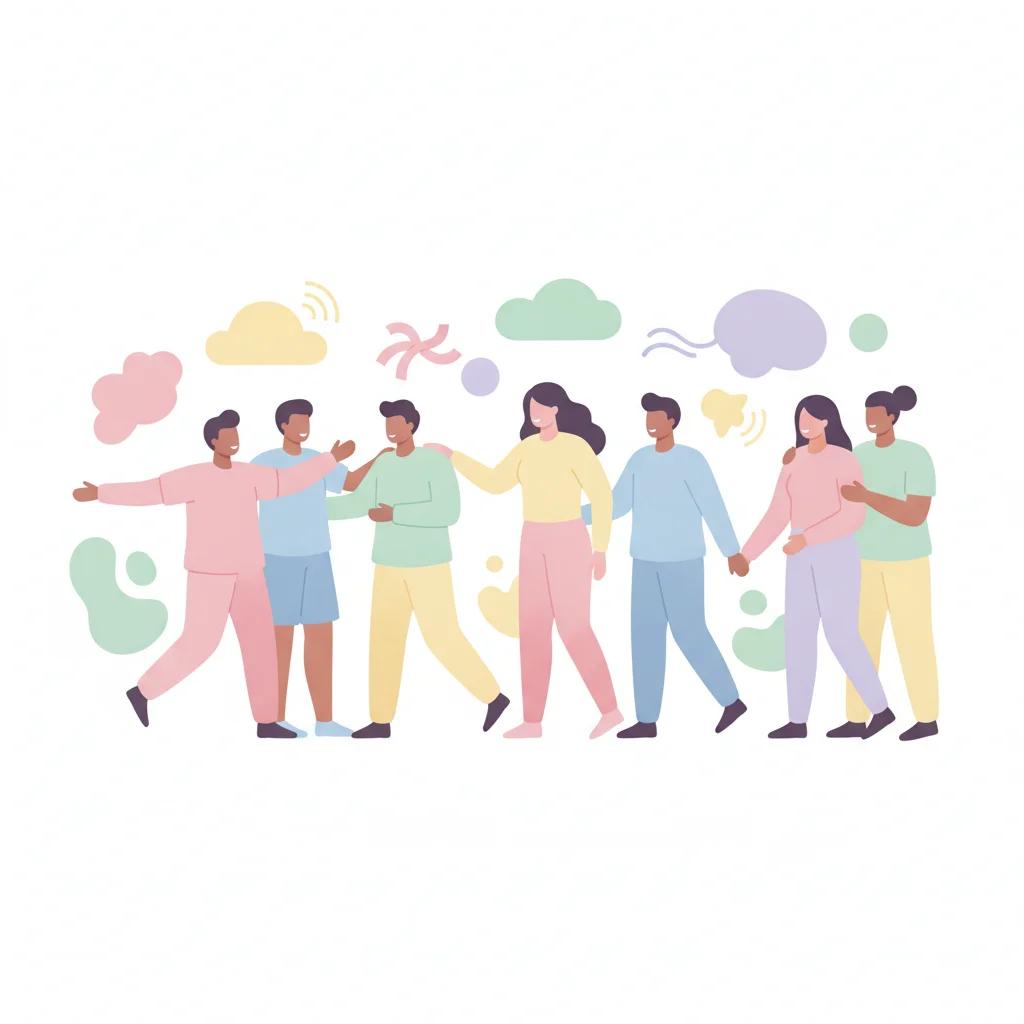
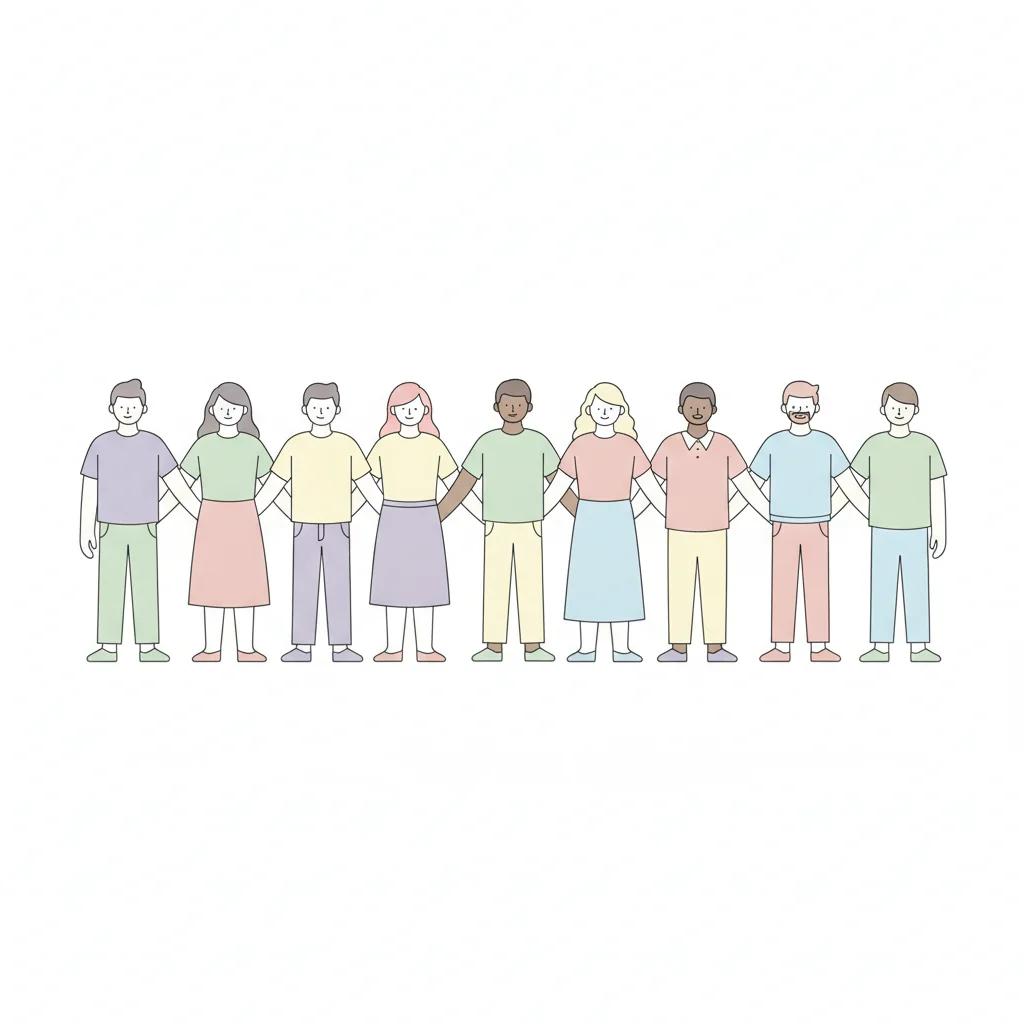
Neurodiversity is a concept and socio-ideological movement that views neurological and developmental differences (such as Autism, ADHD, Dyslexia, and more) as natural, valid, and legitimate expressions of human biological diversity, rather than pathologies or diseases to be cured. The paradigm is based on the premise that just as nature needs biological diversity to thrive, humanity benefits from a variety of neurological styles of thinking, processing, and acting.
The term, first coined in the late 1990s by autistic sociologist Judy Singer, divides the population into two main groups:
Neurotypical (NT): Individuals with a neurological profile and cognitive functioning that aligns with the vast majority and accepted social norms.
Neurodivergent (ND): Individuals whose brain wiring and nervous system differ from the statistical norm.
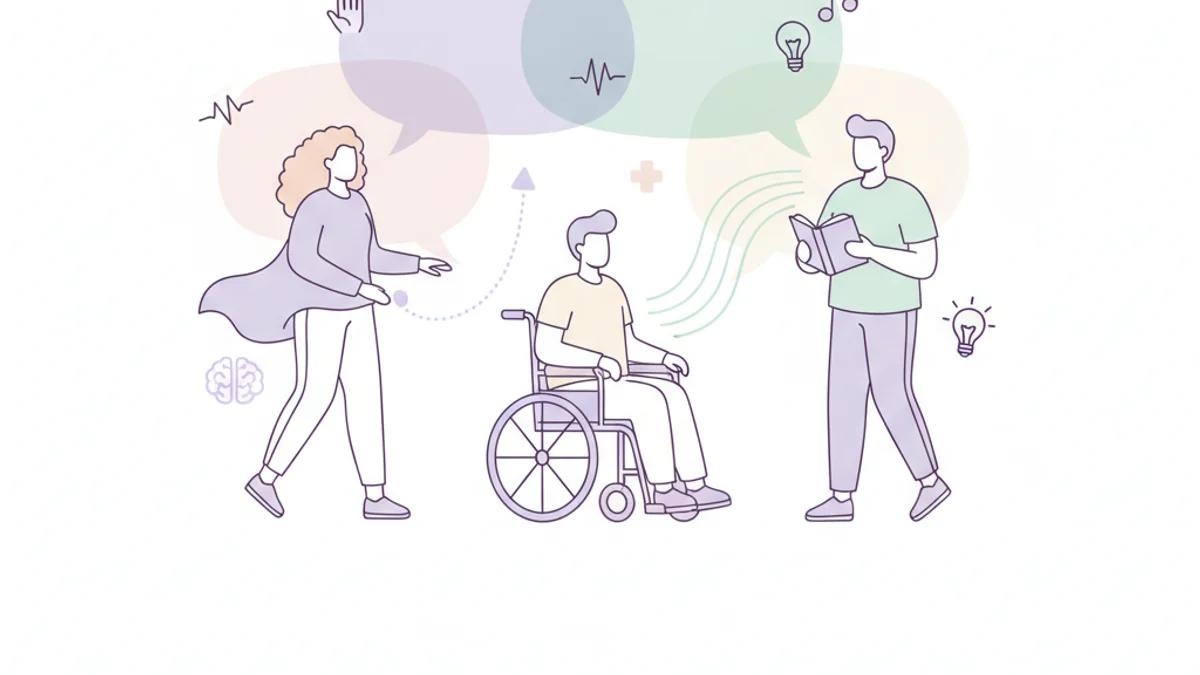
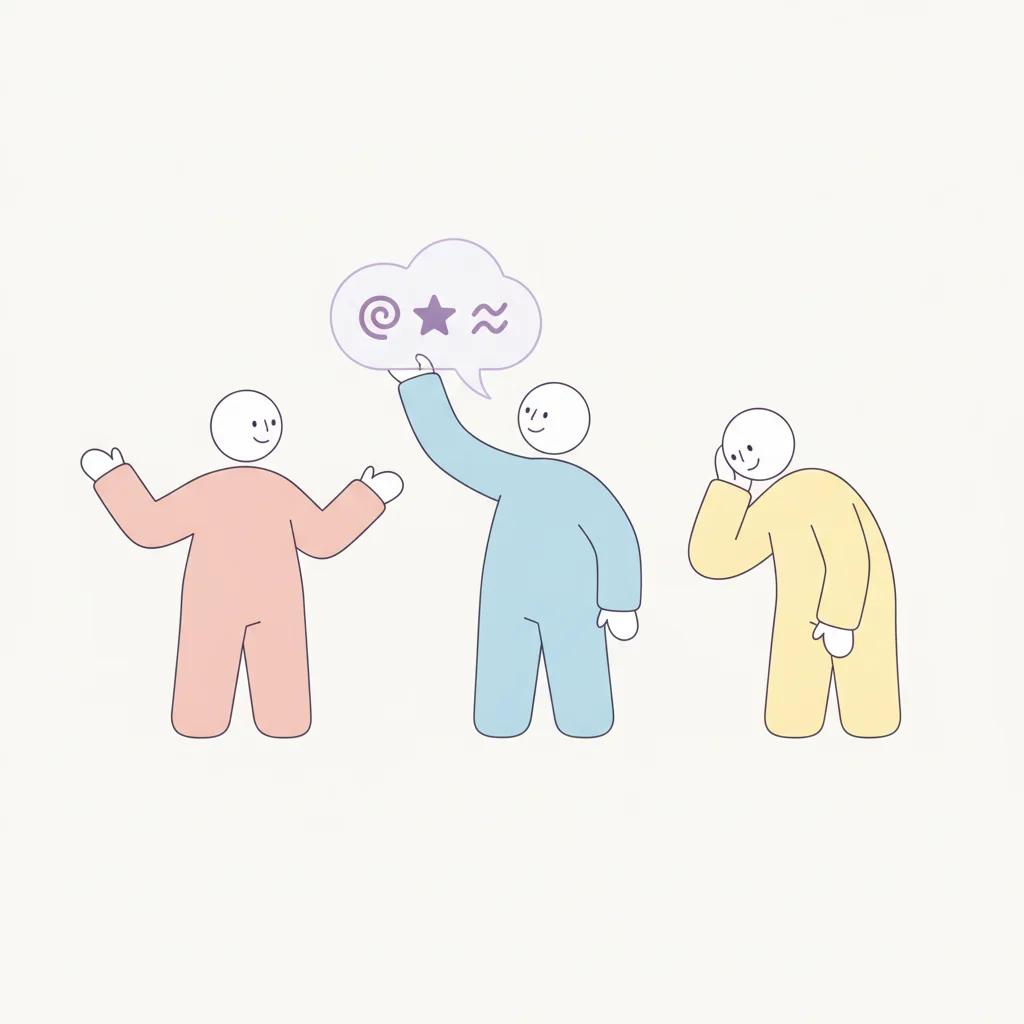
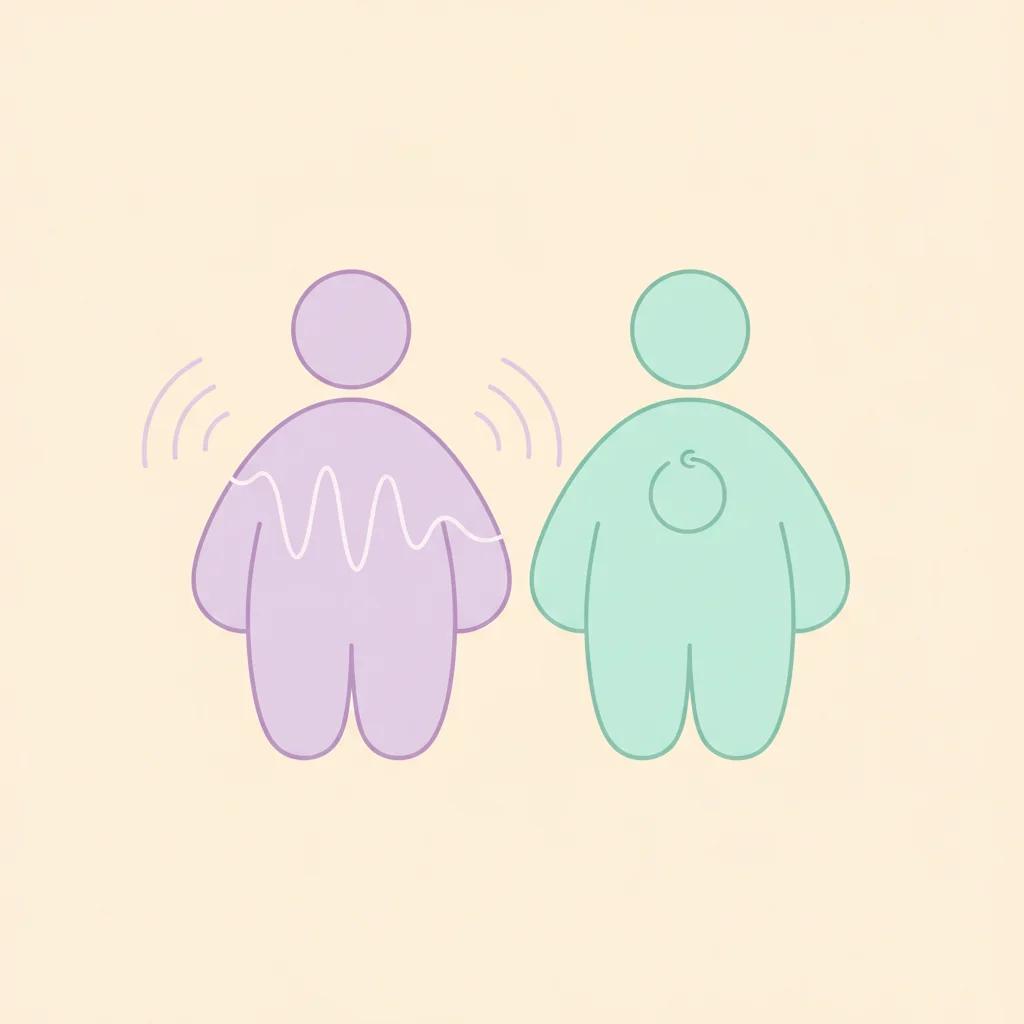
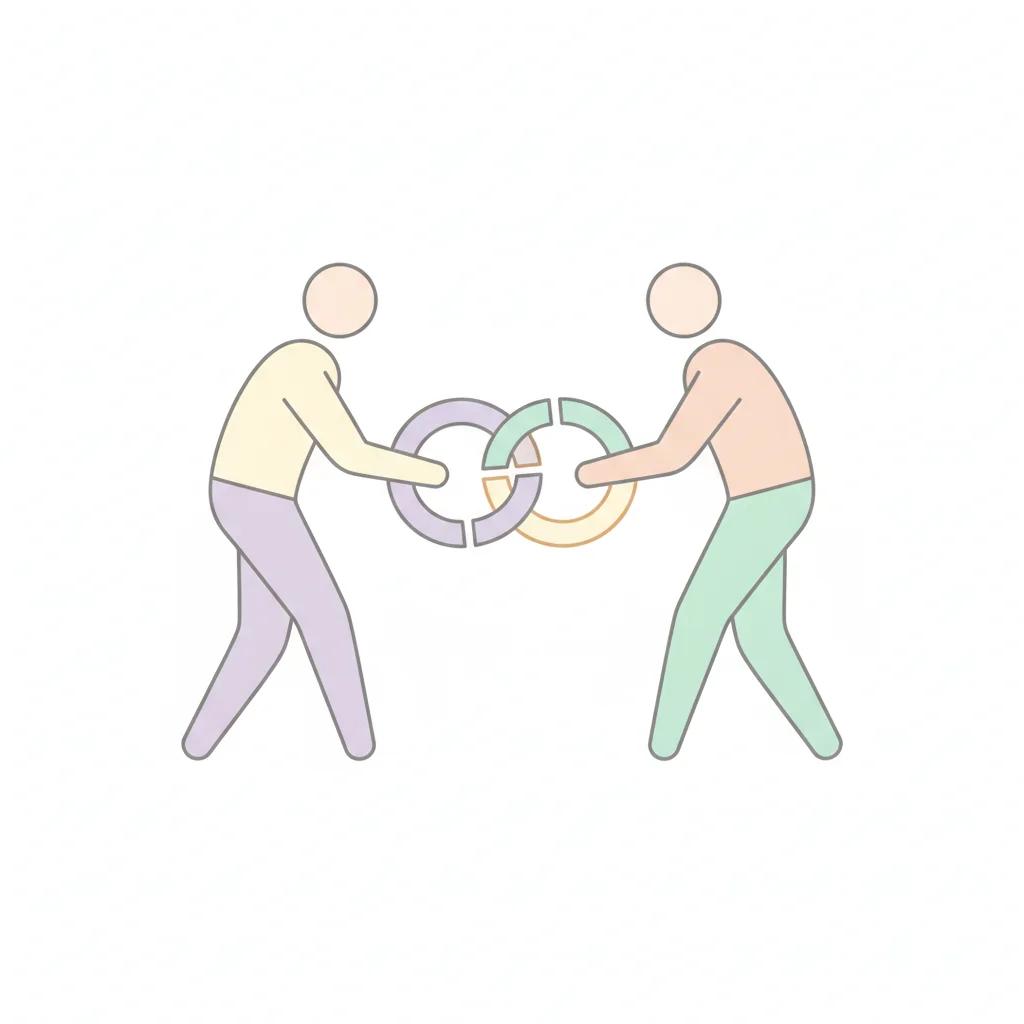
The Neurodiversity paradigm calls for a conceptual shift and a move from the traditional medical model - which measures therapeutic success by attempting to make the person less different or "individual from those around them" - towards the Social Model of Disability. According to this view, the main difficulty for neurodivergent people does not stem from their difference itself, but from the fact that society and the environment were built and designed exclusively for the needs of the neurotypical majority. Accordingly, the movement advocates for human rights, sensory and cognitive accessibility, reduction of stigmas, and the creation of structural accommodations in education, employment, and community systems, with the aim of enabling every person to thrive with their unique operating system. This perspective is also reflected in understanding communication between neurodivergent and neurotypical people through the Double Empathy Problem, which shows that misunderstanding is mutual and not one-sided.