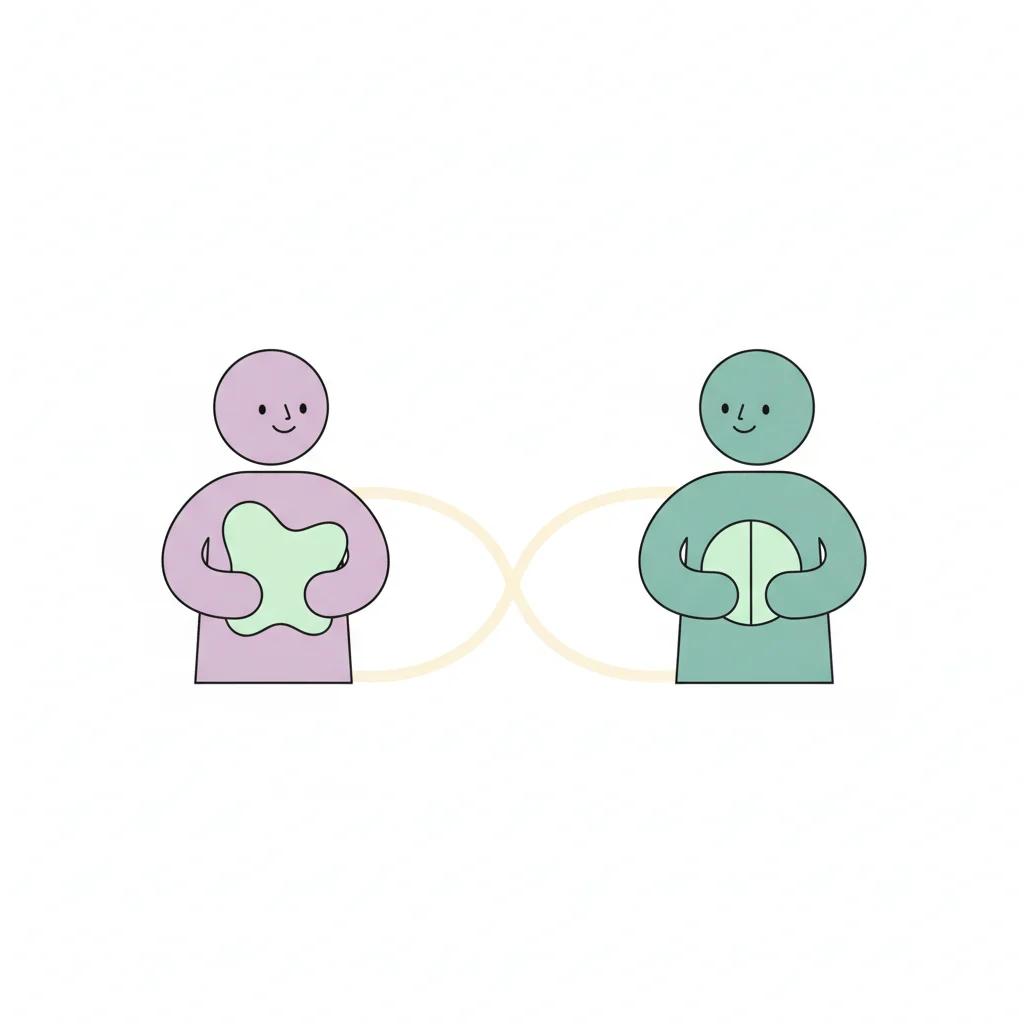
Neurotypical (NT) is a concept describing the wiring of the brain and nervous system that functions, develops, and processes information in a way that aligns with the vast majority of the population and accepted social and statistical norms. The term was coined within the Neurodiversity paradigm to create a non-judgmental reference point, defining the group that is not neurologically different (in contrast to neurodivergent people, such as autistic people or those with ADHD).
Understanding the concept in everyday life is based on several key characteristics:
1. Pre-adapted environment: Because the physical world, education systems, the job market, and social conventions were established and designed by and for the neurotypical majority, neurotypical people experience a natural fit with their environment. They are not required to invest conscious and exhausting cognitive effort to decipher basic social codes, and do not experience Sensory Overload from the daily stimuli present in public spaces.
Polytropic attention style: As explained in the theory of Monotropism, the neurotypical brain is often built for broad (polytropic) attention distribution. It is capable of simultaneously processing diverse information channels (such as listening to speech content, paying attention to tone, reading facial expressions, and filtering background noise), without this leading to rapid neurological overload or requiring complex strategies of Masking.
Part of the Double Empathy Problem: Although the neurotypical style was once perceived as the only "correct measure" for communication, modern research highlights the Double Empathy Problem. Communication gaps between neurotypicals and autistic people do not stem from a one-sided deficit, but from the fact that neurotypical people find it difficult to read, understand, and empathize with the autistic style of expression and lived experience, in precisely the same way that the other side finds it difficult with them.
The database and the Neurodiversity paradigm use this term to emphasize that the neurotypical profile is a common processing style, but is not "more correct" or "superior," and that there is room for accessibility and a shared worldview of both operating systems in the public sphere.