High-Functioning Autism (HFA) is a descriptive term (not a formal diagnosis) often used in medicine and public discourse to describe autistic people who do not have an intellectual disability and have typical language and speech abilities. In the current diagnostic manual (DSM-5), this profile typically falls under the definition of Autism Spectrum Disorder, Level 1 Support - the mildest level in terms of the extent of external daily assistance required.
While the term was originally intended to highlight an individual's independent abilities, it is deeply controversial and masks a highly complex reality.
The Illusion of "High-Functioning": Spiky Skills Profile
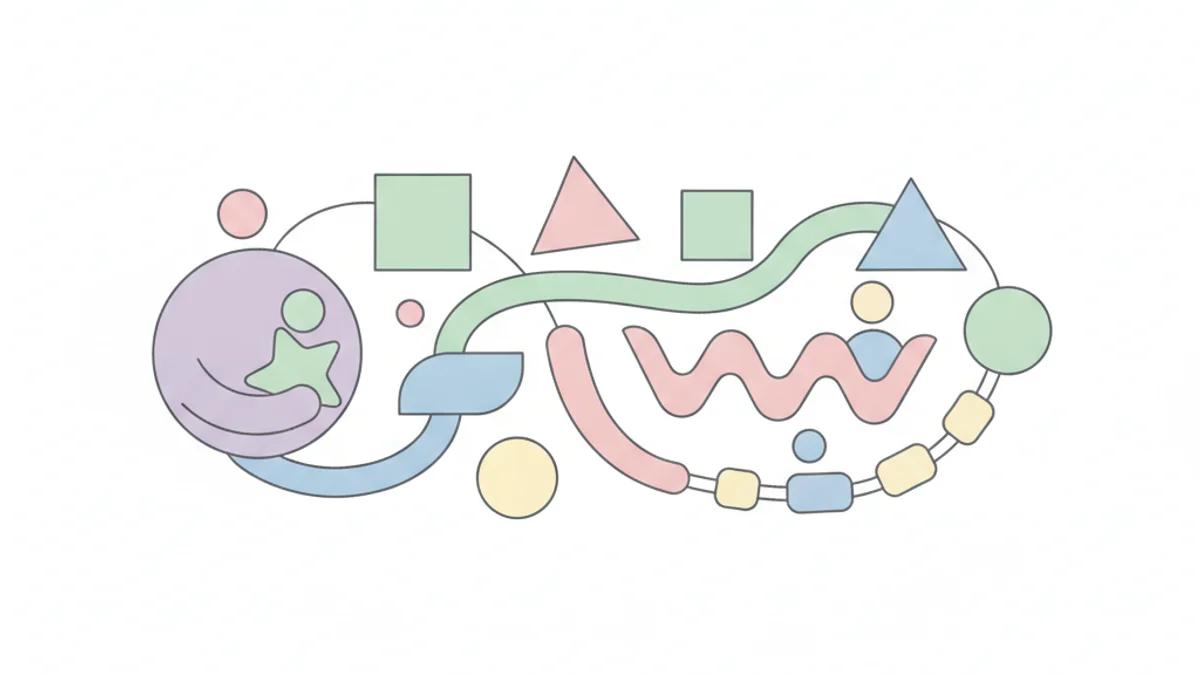
The main criticism of the concept by the Neurodiversity movement is that it creates a false impression of an easy, challenge-free life. In practice, people with this profile are characterized by an extreme Spiky Skills Profile:
- The Peaks: High cognitive abilities, average or above-average intelligence, exceptional academic or professional achievements, and the ability to dive into prolonged Hyperfocus around their Special Interests.
- The Valleys: Severe difficulties with Executive Functioning (such as difficulty organizing, managing time, or performing simple tidying and cleaning tasks), extreme and exhausting sensory sensitivities, and intuitive difficulty managing neurotypical social relationships.
The Hidden Cost
High cognitive ability allows these individuals to understand what society expects of them, thereby pushing them into a demanding survival mechanism:
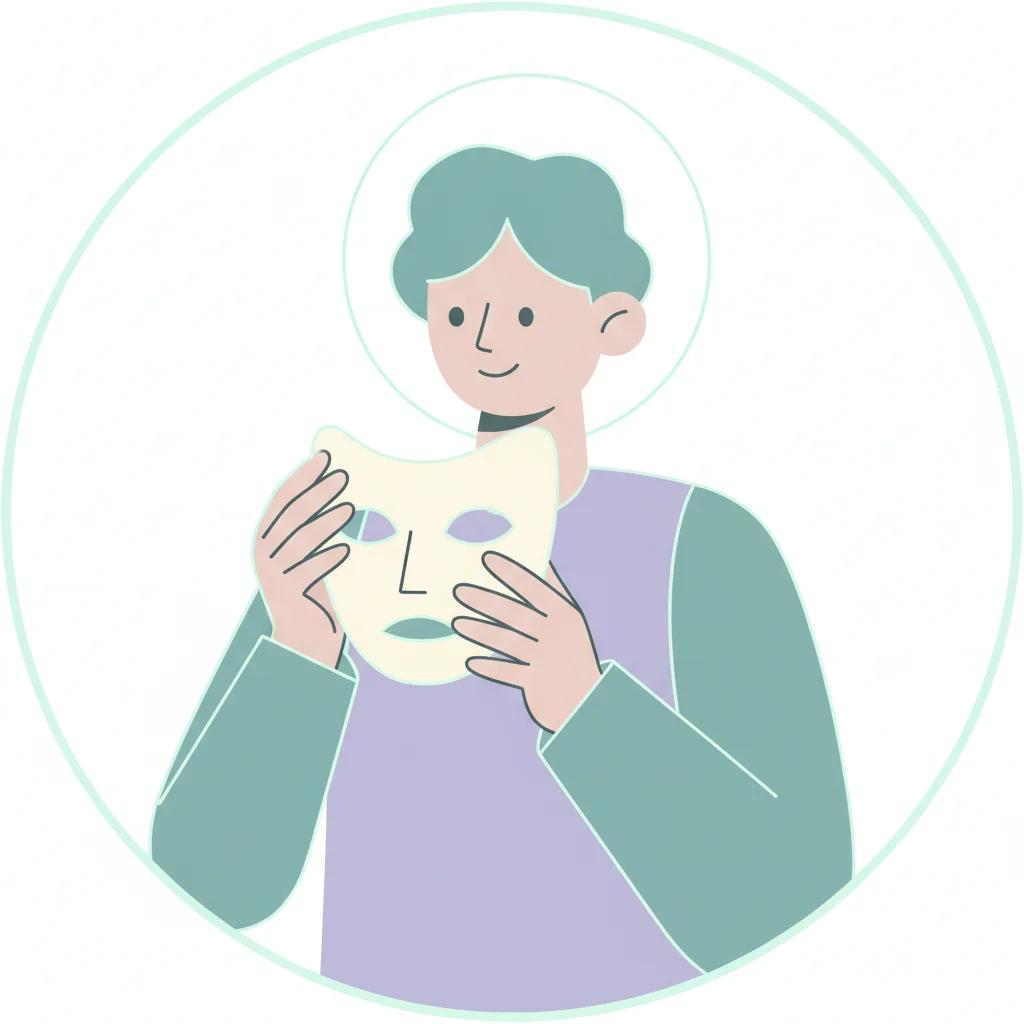
- Masking / Social Camouflaging: Investing immense mental and emotional energy at every given moment to intellectually learn social codes, imitate neurotypical behaviors, and suppress self-regulatory movements (Stimming).
- Coka Cola Bottle Effect: The constant need for Masking in front of others creates chronic internal pressure. Outwardly, the person appears "highly functional" at university or work, but as soon as they return home to a safe space, the cap comes off, and they experience a total collapse in the form of a Meltdown or Shutdown.
- Autistic Burnout: Over time, operating under constant Minority Stress completely depletes energy resources (according to Spoon Theory), often leading to temporary or permanent loss of functional abilities, clinical depression, and severe anxiety.
The Double Empathy Problem and Social Consequences
Due to the communication gap known as the Double Empathy Problem, society tends to judge these individuals harshly. Because they are perceived as "smart" or "normal," their true difficulties are mistakenly interpreted as laziness, rudeness, or selfishness (for example, when they experience a Sensory Hangover and need to withdraw, or when they miss subtle social cues).
This situation exposes them to unique vulnerabilities:
- Missed or Late Diagnosis: Women and individuals with high Camouflaging abilities are often diagnosed only in adulthood, after years of feeling alien and developing Internalized Ableism and Impostor Syndrome.
- Denial of Reasonable Accommodations: Employers and institutions tend to refuse to provide them with Reasonable Accommodations (such as a quiet environment or written instructions), based on the mistaken belief that "if they are so smart, they don't really need help."
- Exposure to Exploitation: The combination of a desire to fit in along with Literal Thinking makes them an easy target for manipulation and painful experiences of Mate Crime.
The Neurodiversity movement calls for abandoning the term "High-Functioning," as it serves as an Ableist tool to deny support and rights to people who desperately need them, and prefers to focus on the individual's specific sensory, emotional, and communication needs, while providing a safe space for the Unmasking process.