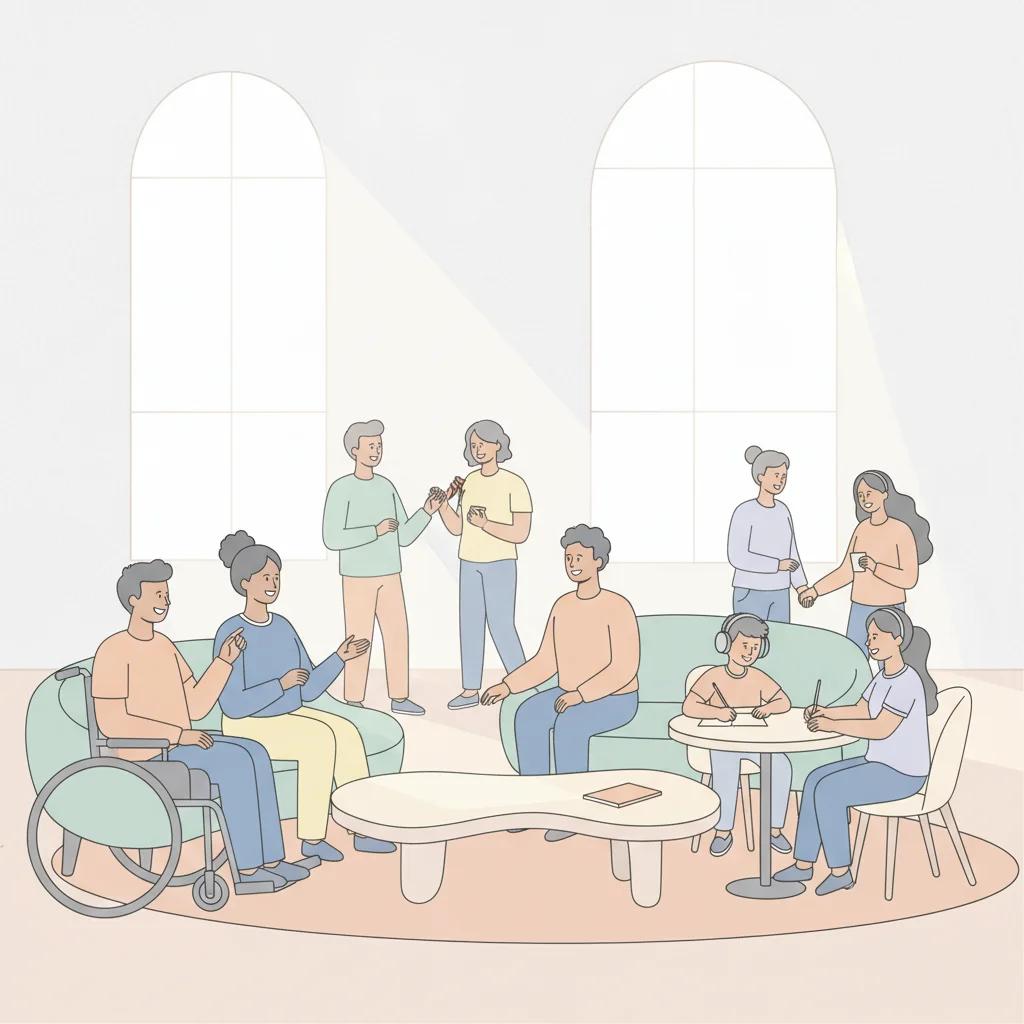
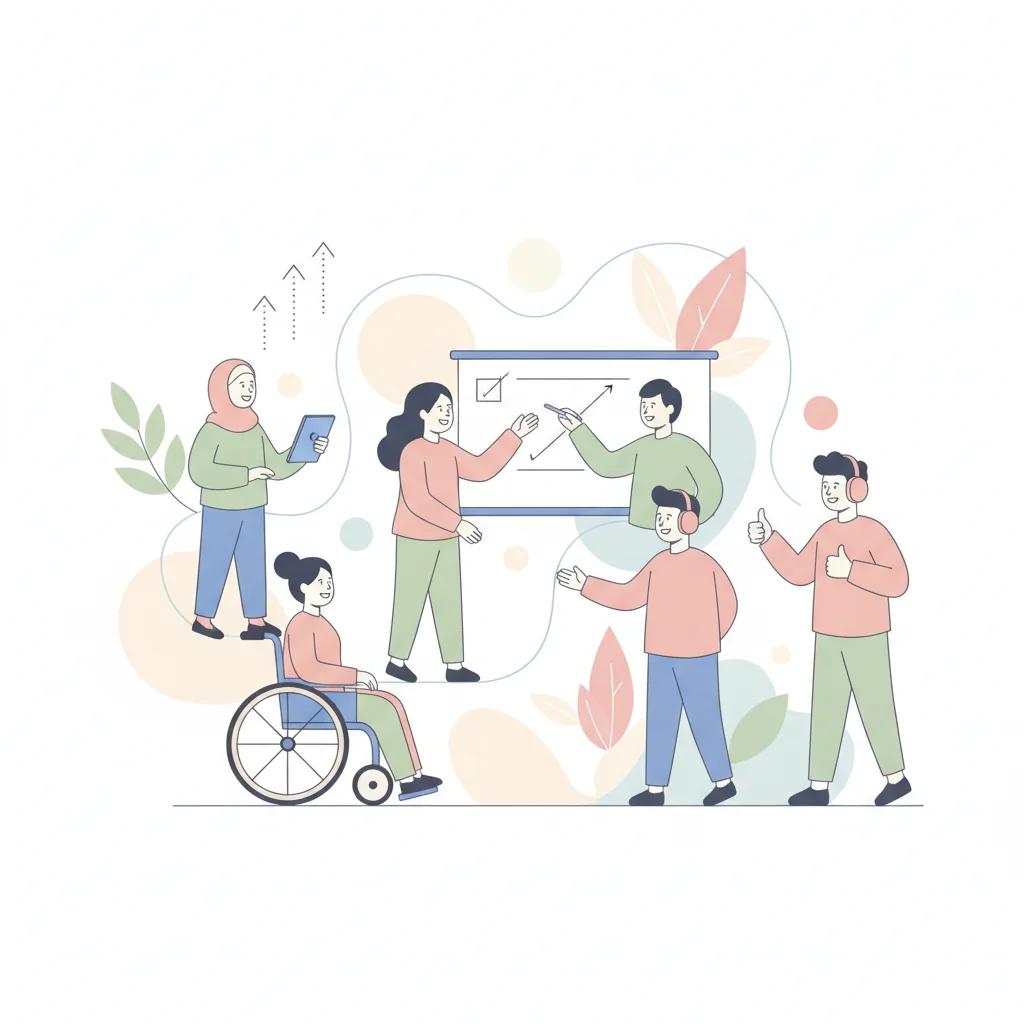
Supported Employment is an employment, rehabilitation, and social model designed to enable people with disabilities or neurological differences (such as Autism, ADHD, or an AuDHD profile) to integrate, persist, and succeed in the open job market, in regular workplaces, and with standard wages.
Unlike older models of "sheltered employment" (such as sheltered workshops that isolate individuals from society and pay significantly less than minimum wage), Supported Employment is based on the understanding that every person has the right to autonomy, genuine community integration, and fair compensation for their work.
How does Supported Employment work in practice?
The model relies on close, two-way professional guidance (for both the employee and the employer) through an employment support specialist or integration coordinator, and it includes several key stages:
Strengths-based mapping: Identifying the individual's skills, needs, and "peaks" within their Spiky Skills Profile, instead of focusing on their deficits according to the deficits-based approach.
Job matching: Finding a workplace in the open market that precisely matches the individual's interests and processing style (for example, a role that allows for Monotropism or work that requires Bottom-up thinking).
Mediation and implementation of Reasonable Accommodations: The employment support specialist helps the employer understand and implement Reasonable Accommodations accessible to the employee, such as clearly defining tasks in writing to prevent Analysis Paralysis, or adapting the physical space to prevent Sensory Overload.
Ongoing support: Providing continuous support in organization and time management (compensating for difficulties in Executive Functioning and Autistic Inertia) and communication mediation in the workplace.
The Social Dimension: Bridging the Communication Gap
One of the biggest challenges for neurodivergent people in the workplace is the need to engage in Masking, Camouflaging, and Adaptive morphing to navigate socially, which depletes their "spoons" (according to Spoon Theory) and leads to Autistic Burnout.
A Supported Employment framework applies the Social Model of Disability and helps resolve the Double Empathy Problem:
It explains to the employer and team that communication differences (such as lack of eye contact or a direct, Literal Thinking style) are not unprofessionalism, but simply a different neurological language.
It allows the employee to begin a gradual and safe process of Unmasking, with the understanding that they are valued for their skills and do not need to expend valuable energy on social pretense.
In the long run, Supported Employment not only prevents cases of discrimination, Infantilization, or exposure to exploitation and Mate Crime, but also enables the individual to live autonomously, earn a dignified living, and express their unique systemic strengths.