Mate Crime is a slang and cultural term very common within the Neurodiversity community, used to describe incidents where an autistic or neurodivergent person experiences harm, exploitation, manipulation, or bullying from someone they considered a friend or part of their peer group.
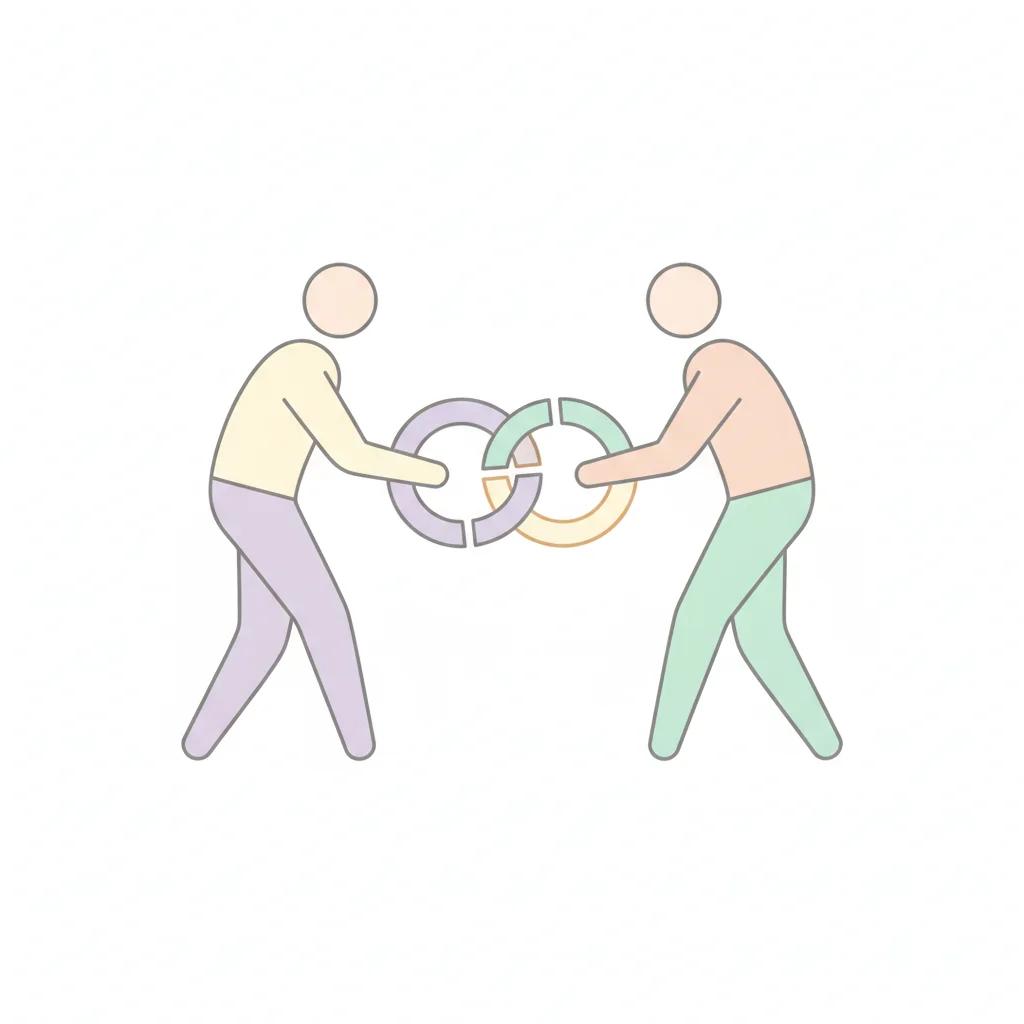
The term highlights a painful experience that is not just classic bullying from strangers, but a betrayal of trust in close relationships. It is closely linked to several neurological and social characteristics:
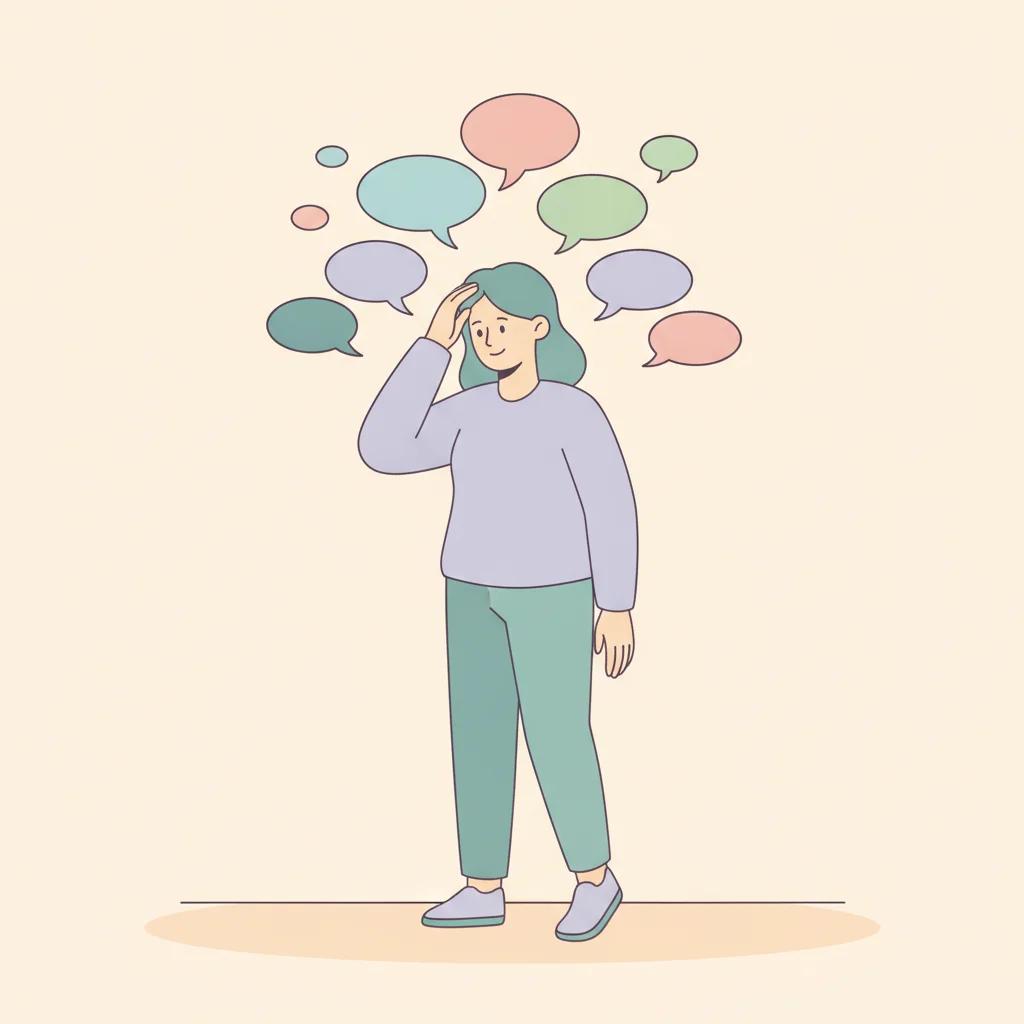
Vulnerability due to Literal Thinking: Due to Literal Thinking and a tendency towards absolute honesty, autistic people tend to take others' words at face value. If someone tells them "we are friends," they will believe it fully and miss subtle cues, sarcasm, or malicious intentions (such as financial exploitation, using them as a social "joke," or emotional exploitation).
Fawning and People-Pleasing Mechanisms: The deep fear of social rejection (related to RSD) often leads autistic people to remain in abusive relationships and to please their "friends" at all costs, just to maintain a sense of belonging, even when they are being harmed.
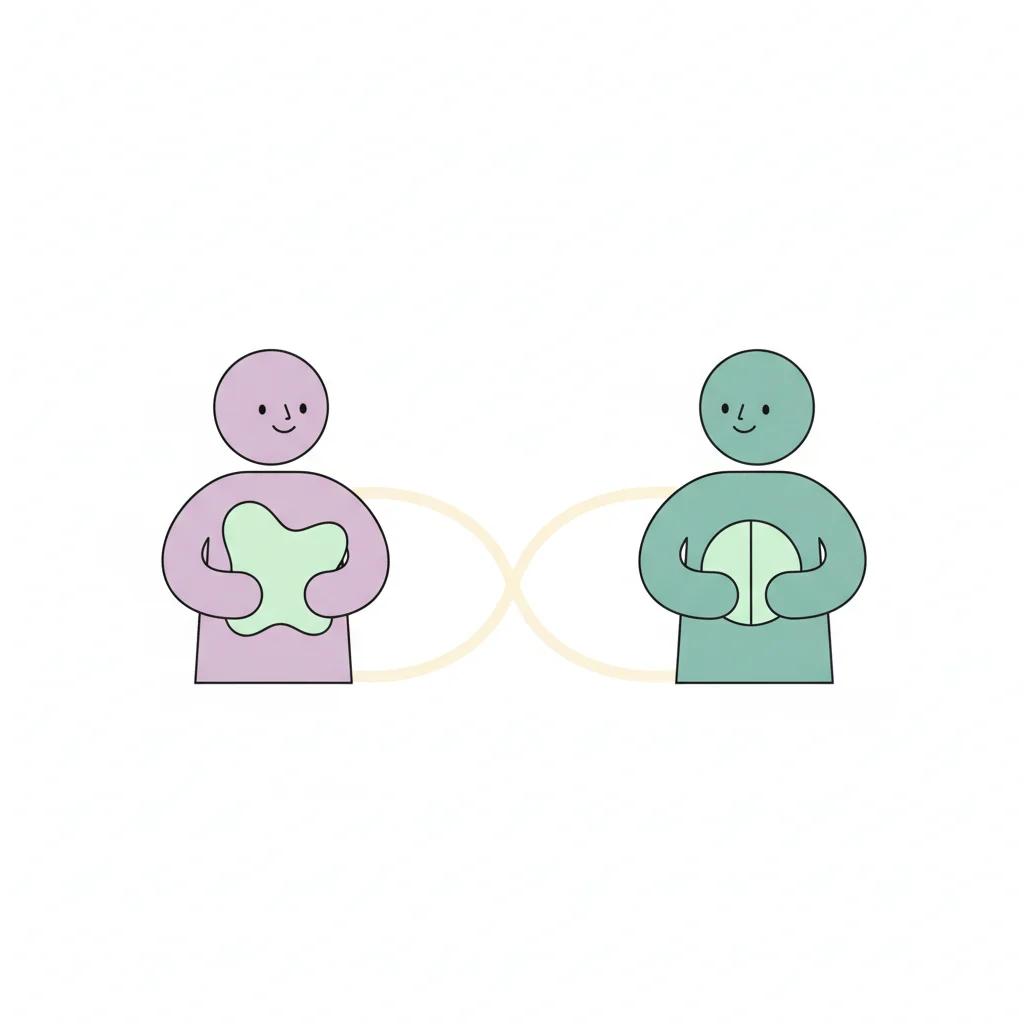
Gaps in the Double Empathy Problem: The inability of the neurotypical environment to understand the autistic communication style sometimes causes intentional harm from "friends" to be dismissed by adults or therapists as "mutual misunderstanding," which leaves the autistic person hurt and unprotected.
The psychological cost of "mate crime" is extremely heavy and creates cumulative social trauma. These experiences are the main reason why autistic people develop severe social anxiety, intensify their exhausting Masking, and in adulthood tend to prefer Parallel Play or complete social withdrawal to protect their nervous system from further harm.