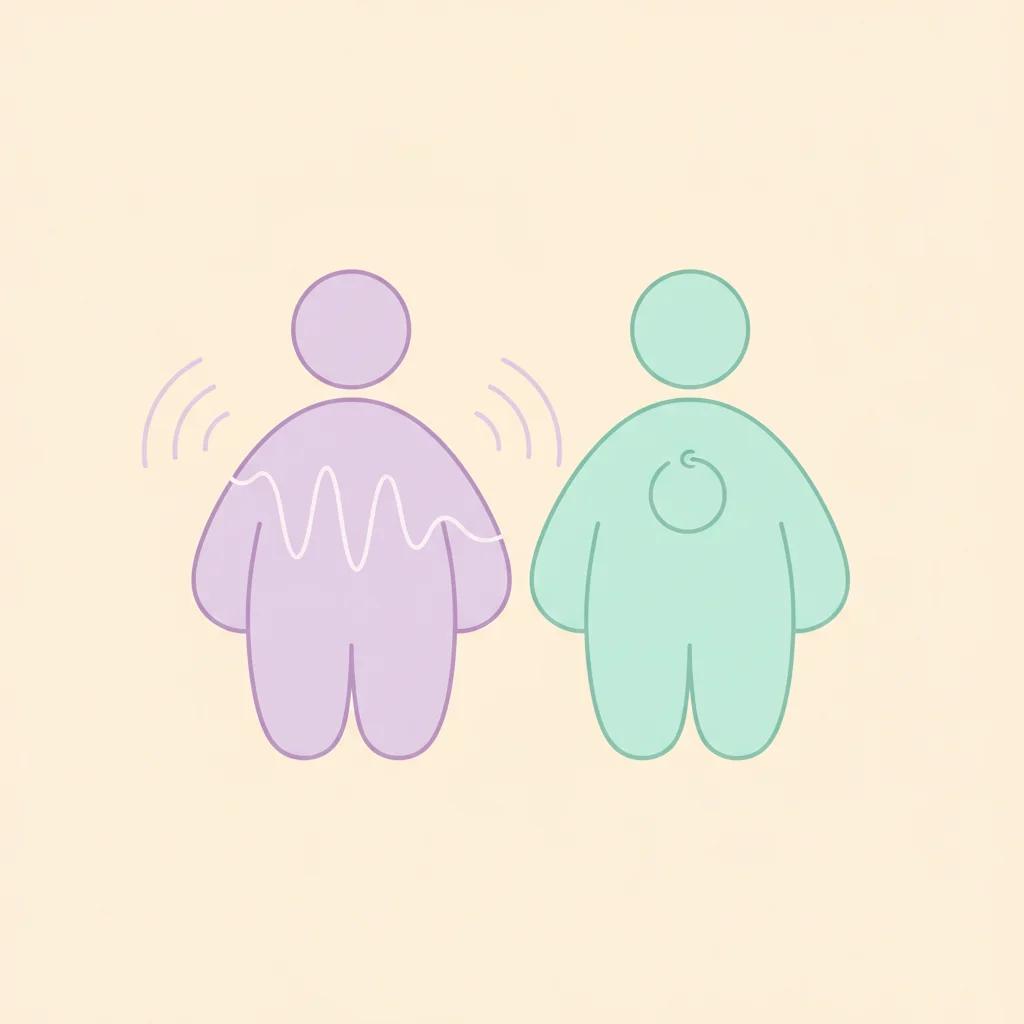
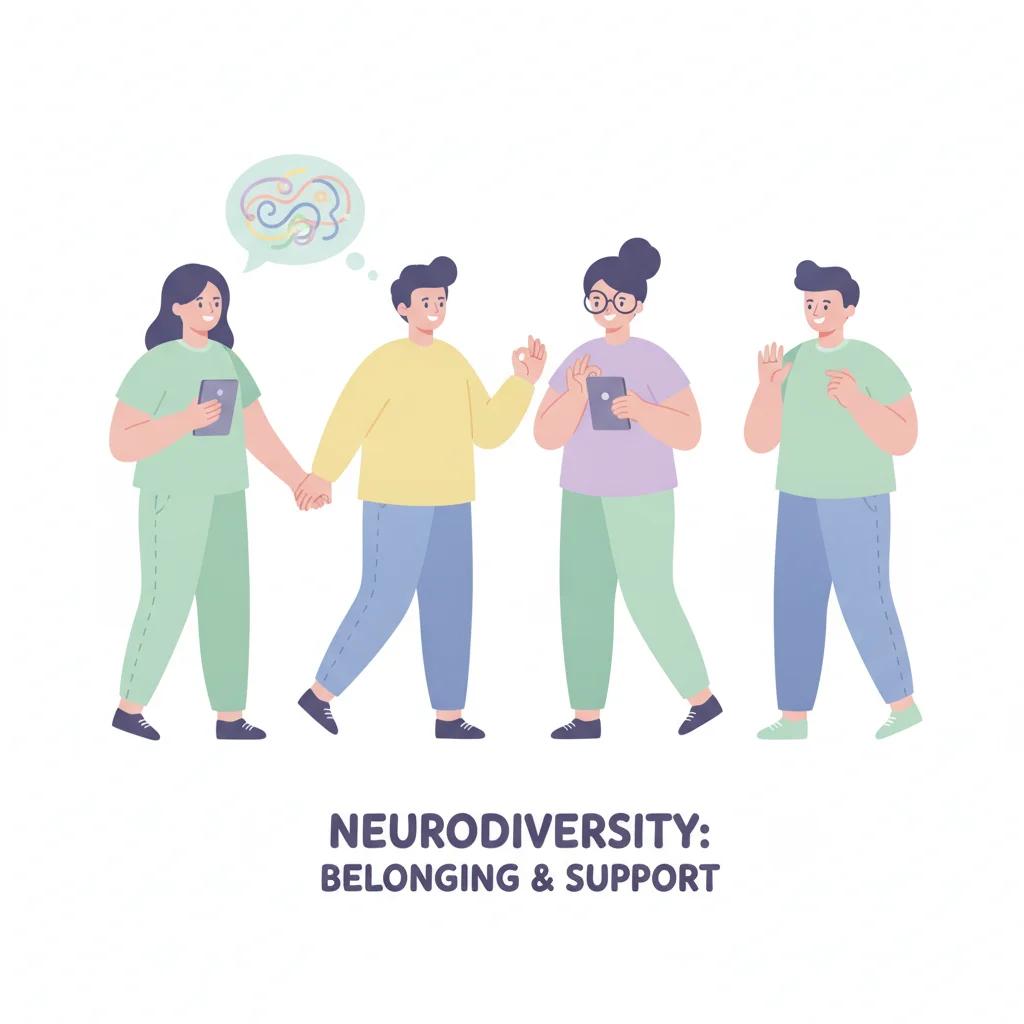
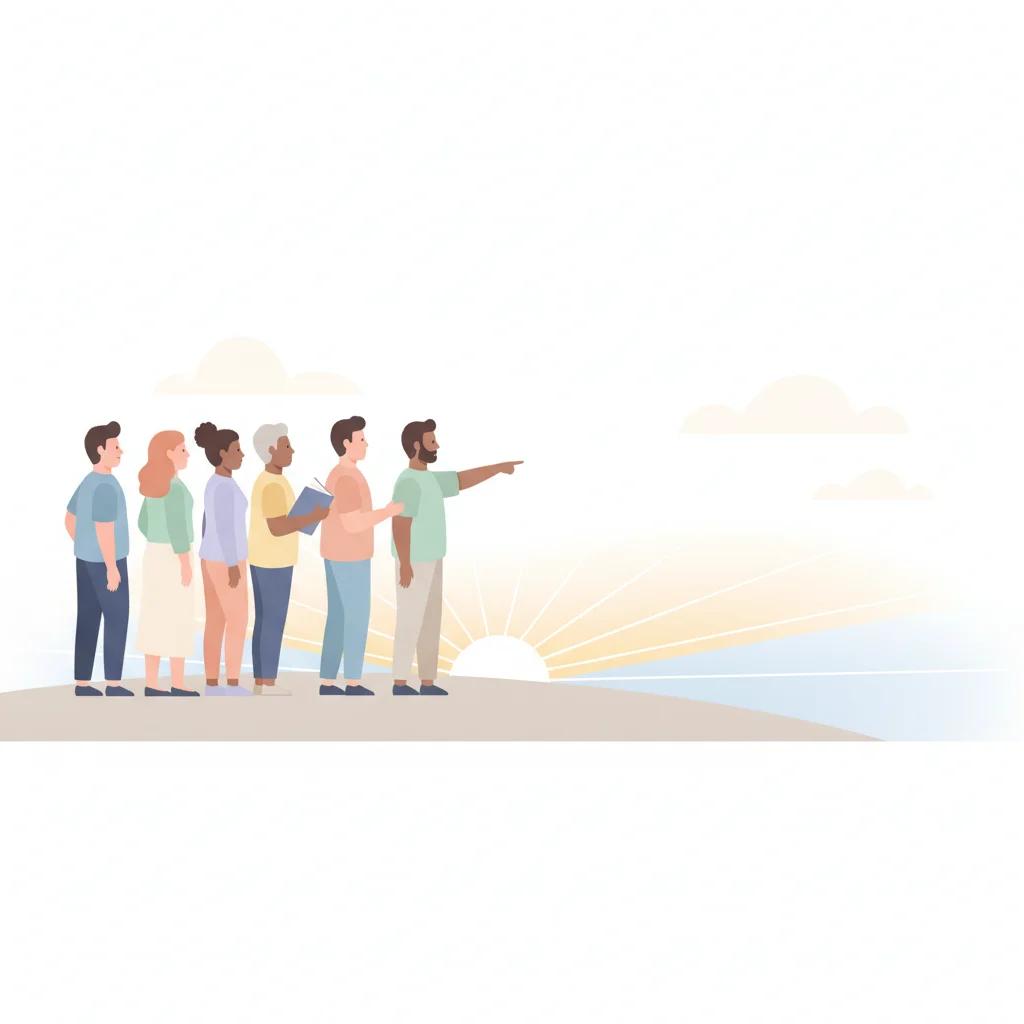
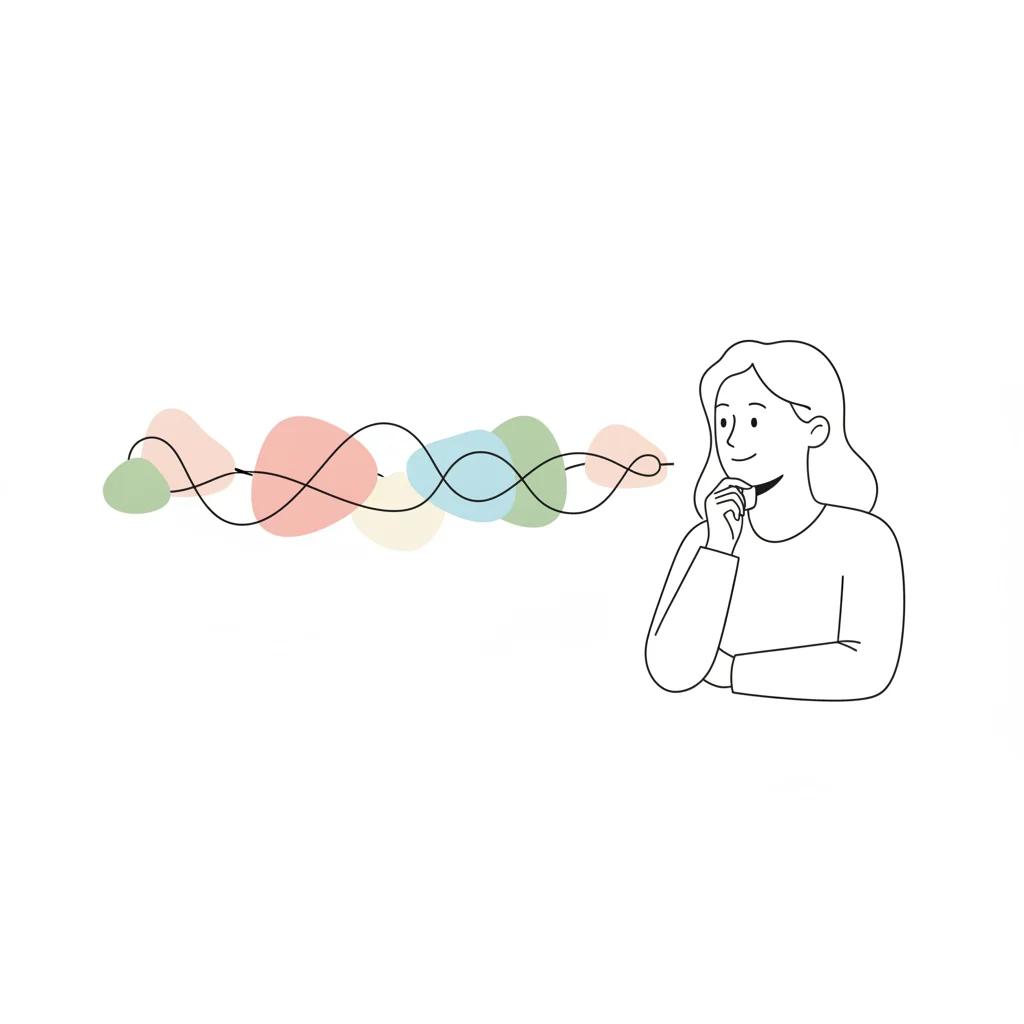
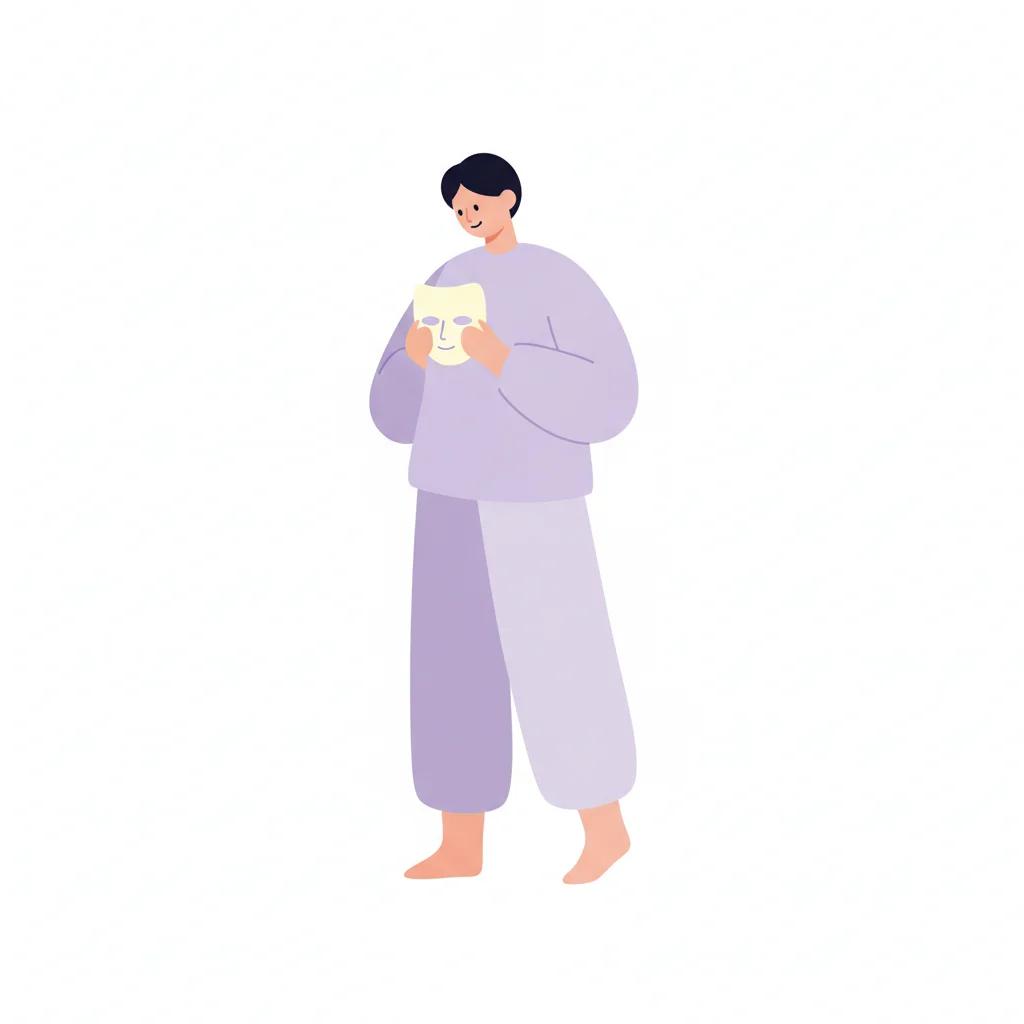
Autism (Autism / ASD - Autism Spectrum Disorder) is a congenital neurodevelopmental difference that affects the way a person experiences the world, processes information, and communicates with their environment. The neurodiversity movement defines Autism not as a "disease" or a disability to be cured, but as a unique and different type of brain wiring, which is an integral part of a person's identity.
The current medical diagnosis defines Autism as a broad spectrum, where each person exhibits a unique combination of strengths and challenges (a clear expression of a Spiky Skills Profile).
The core characteristics of the autistic experience are divided into several main axes:
1. Communication and Social Interaction
The autistic communication style is direct, honest, and authentic, and is characterized by:
Literal Thinking and Speech: A tendency to understand words literally, and an intuitive difficulty with sarcasm, subtle hints, manipulative social games, or small talk.
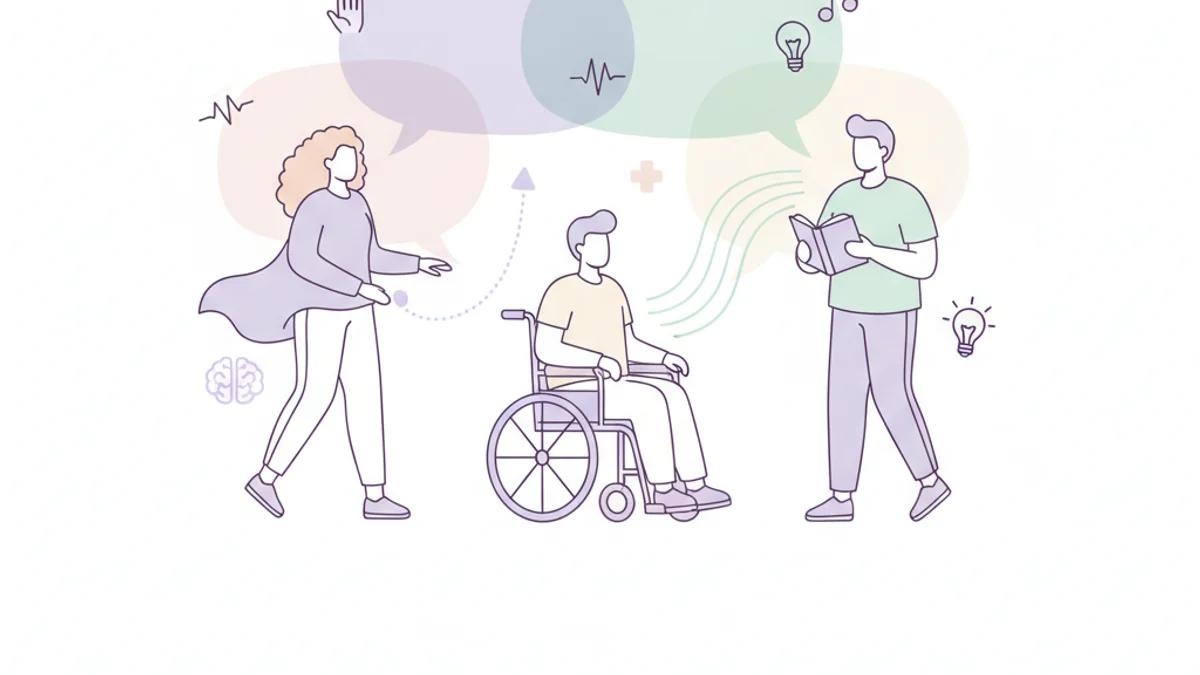
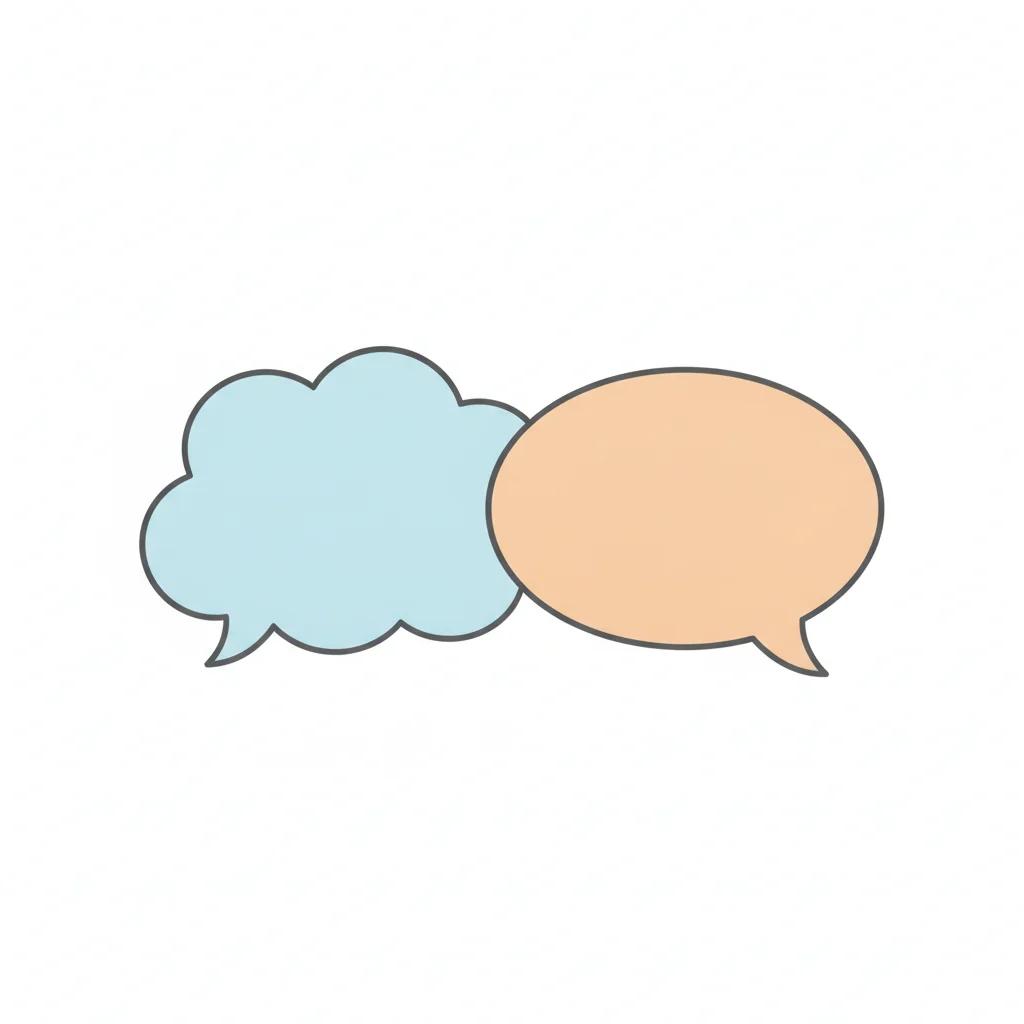
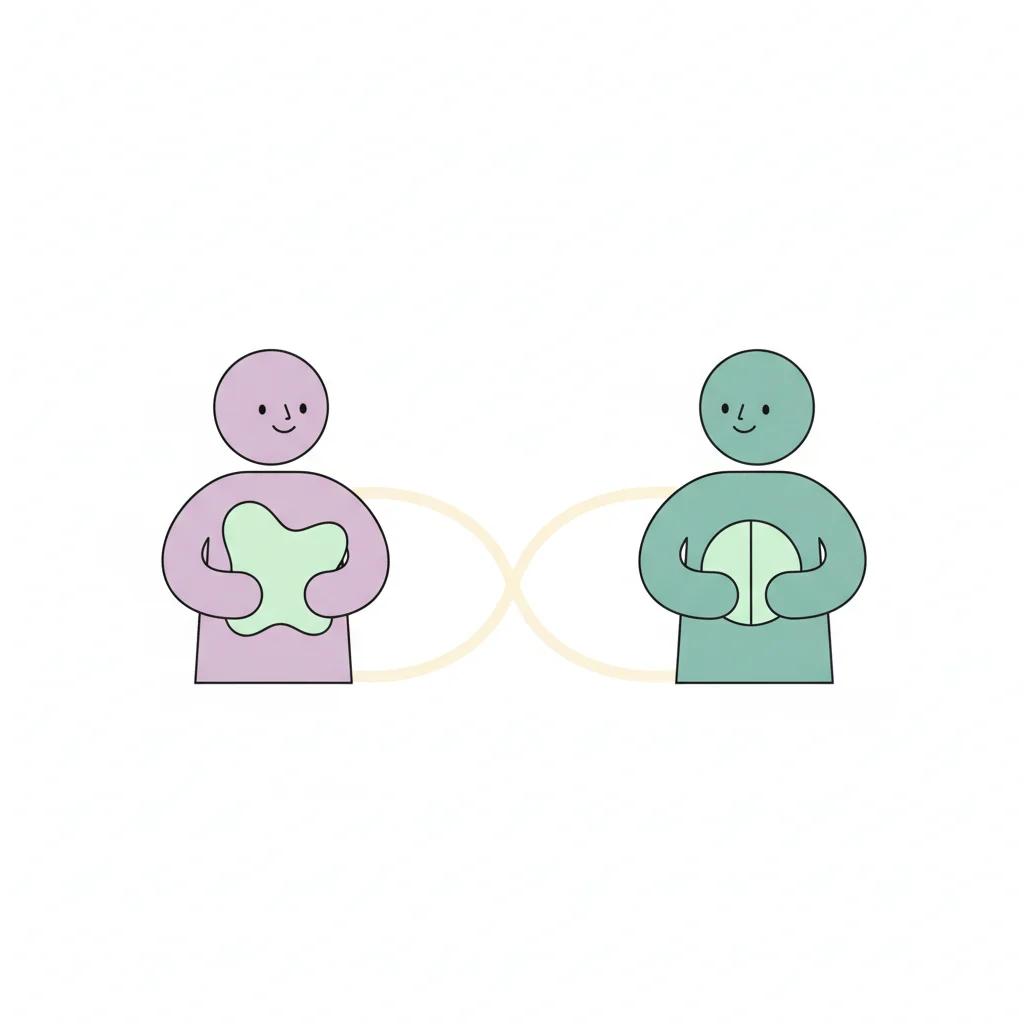
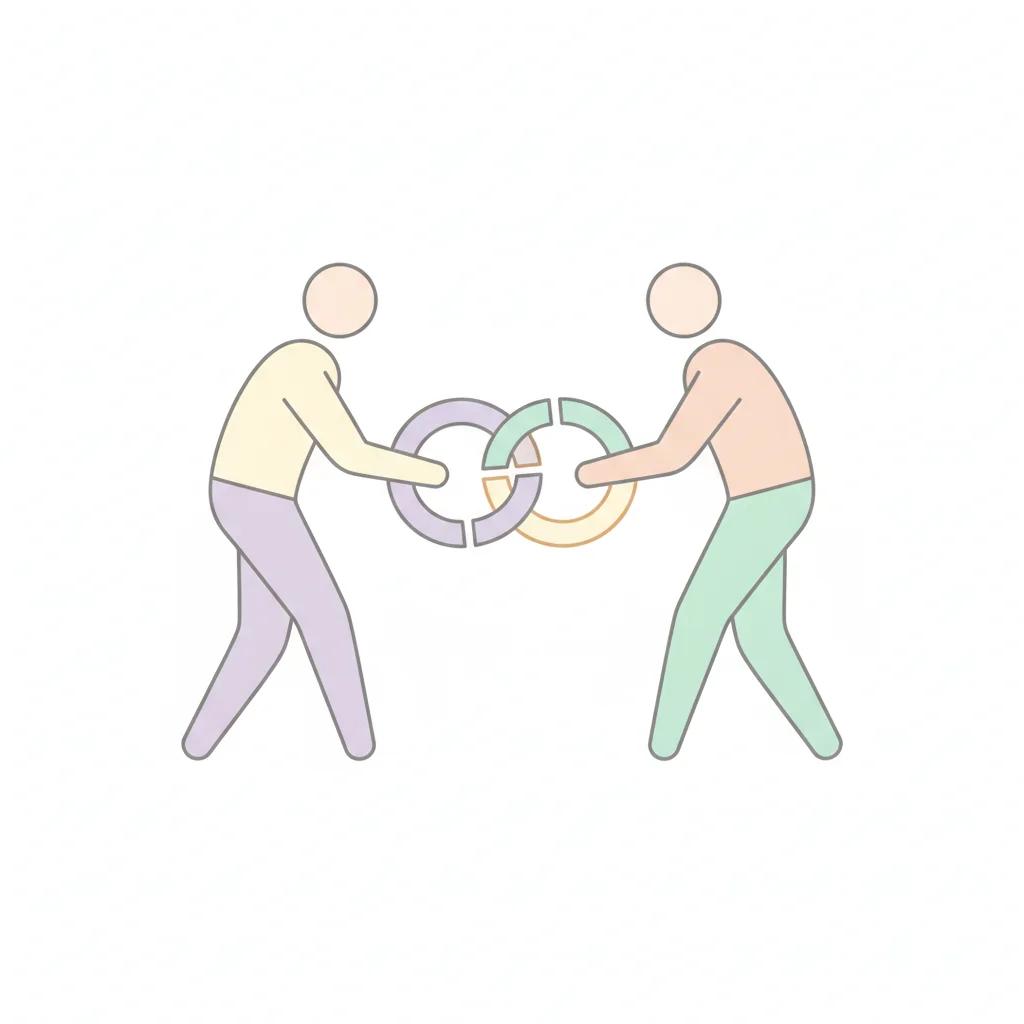
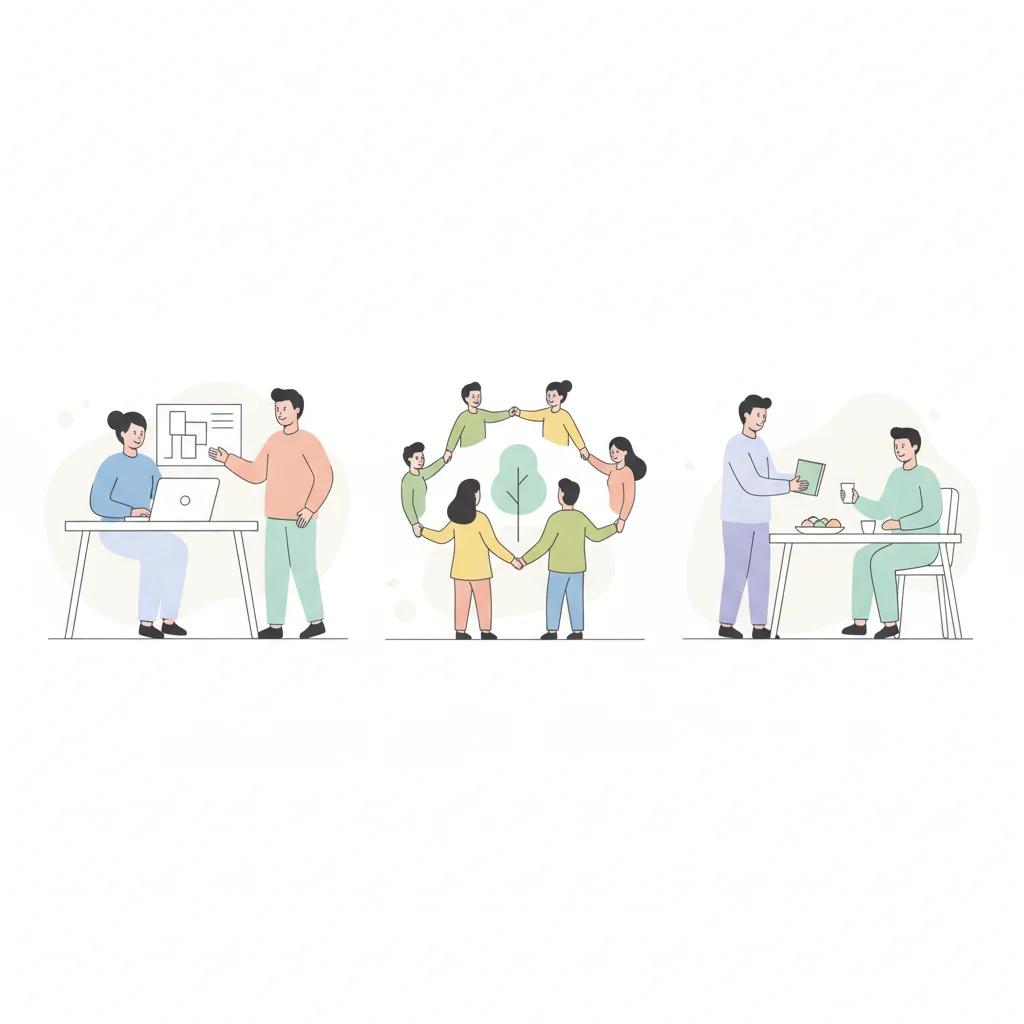
Double Empathy Problem: Communication difficulties are not a one-sided disability of the autistic person. It is a mutual gap: autistic people communicate and understand each other well (for example, through Parallel Play or Info Dumping), but experience difficulty with the neurotypical style, and vice versa.
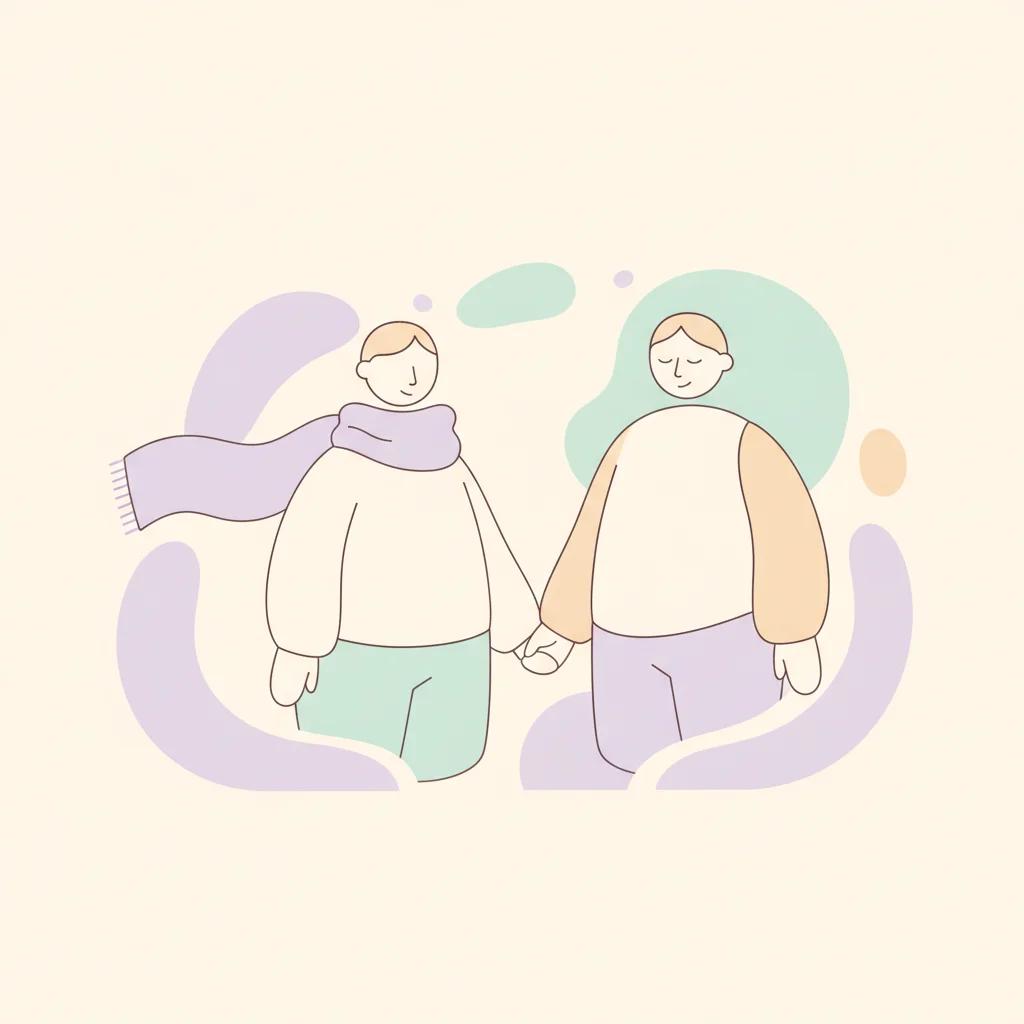
Unique Love Languages: Expressing closeness through sharing facts and interests, or spending time together in the same space without the need for constant conversation.
2. Cognitive Processing and Attention
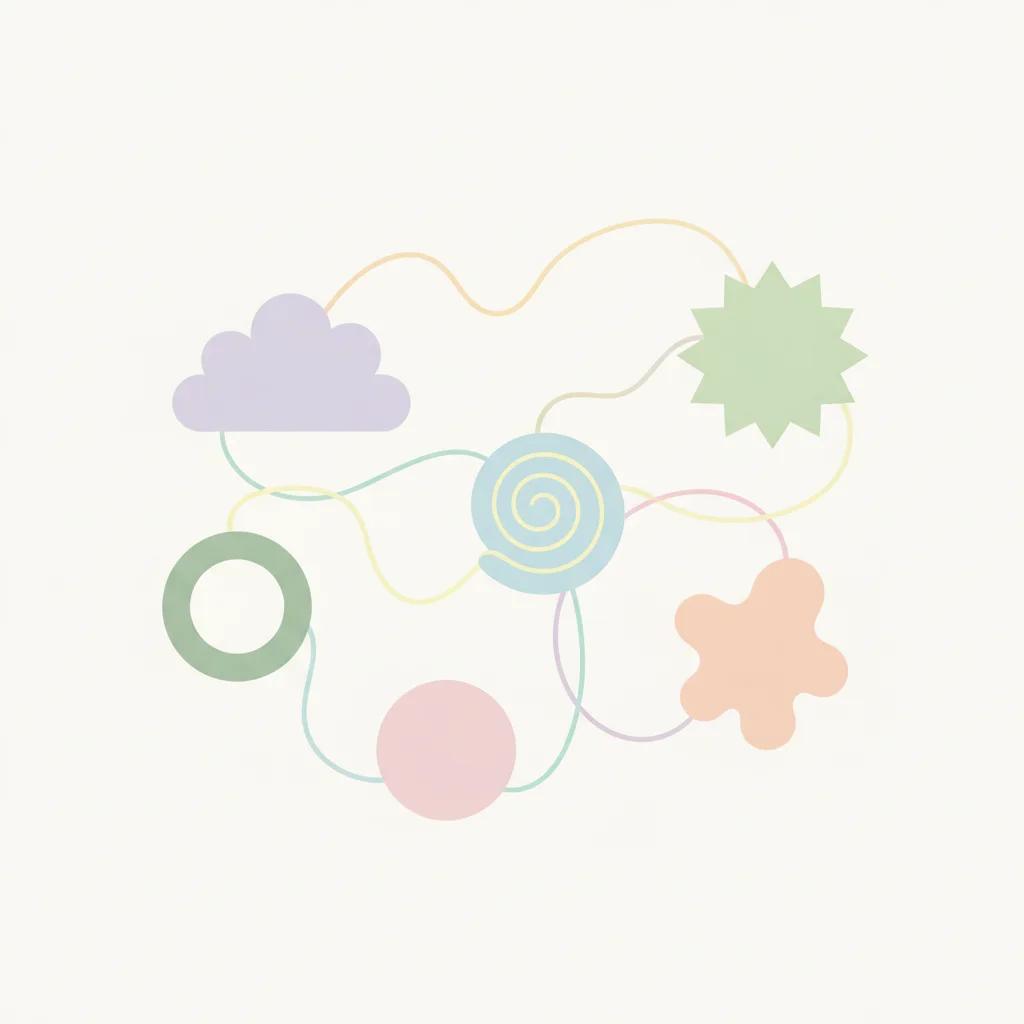
Monotropism: A leading theory explaining that the autistic brain tends to invest its attention resources in narrow, deep, and focused "attention tunnels," in contrast to the neurotypical brain which disperses attention in a distributed manner.
Special Interests: Developing an immense, deep passion and encyclopedic knowledge in specific subjects, often leading to extreme Hyperfocus states and loss of time perception.
Challenges in Executive Functioning: Inherent difficulties in planning, organizing, time management, and flexibility in switching between tasks.
3. Sensory and Physical Differences
Autistic people experience the sensory world with completely different intensities (Hyper Sensitivity or Hyposensitivity), which affect the nervous system:
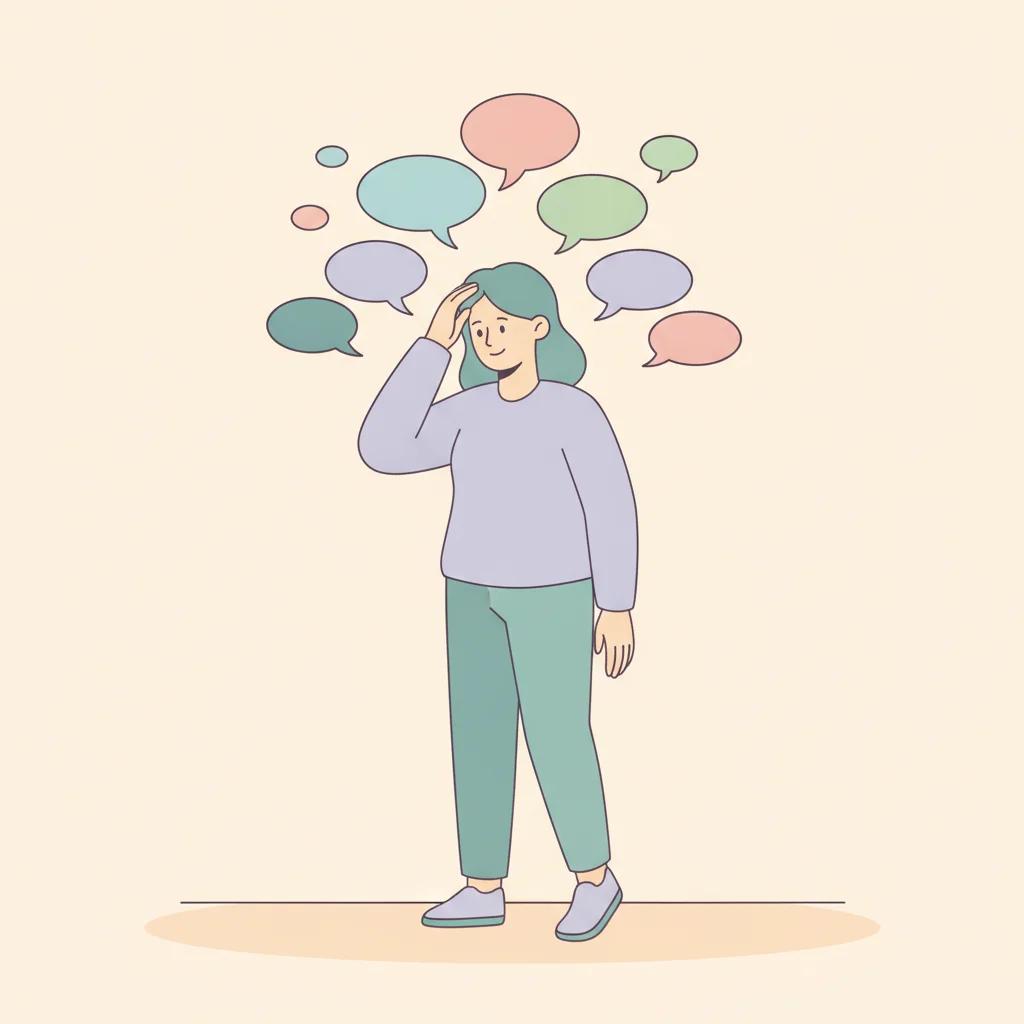
Sensory Overload: Overwhelm of the system due to fluorescent lights, loud noises, certain smells or textures (sometimes combined with Misophonia or blurred Proprioception).
Stimming: Repetitive movements (such as hand flapping, rocking, or making sounds) used as an essential and natural tool for self-regulation and reducing neurological stress.
Medical Comorbidities: High prevalence of co-occurring conditions that affect the body, such as EDS (Ehlers-Danlos Syndrome), autonomic nervous system problems (POTS), or complex immune sensitivities like MCAS.
The Social and Psychological Cost in a Neurotypical World
Due to living in an environment that is not adapted to them, autistic people are exposed to chronic Minority Stress and experiences of Ableism (discrimination based on difference). To survive and integrate, many of them develop exhausting defense mechanisms:
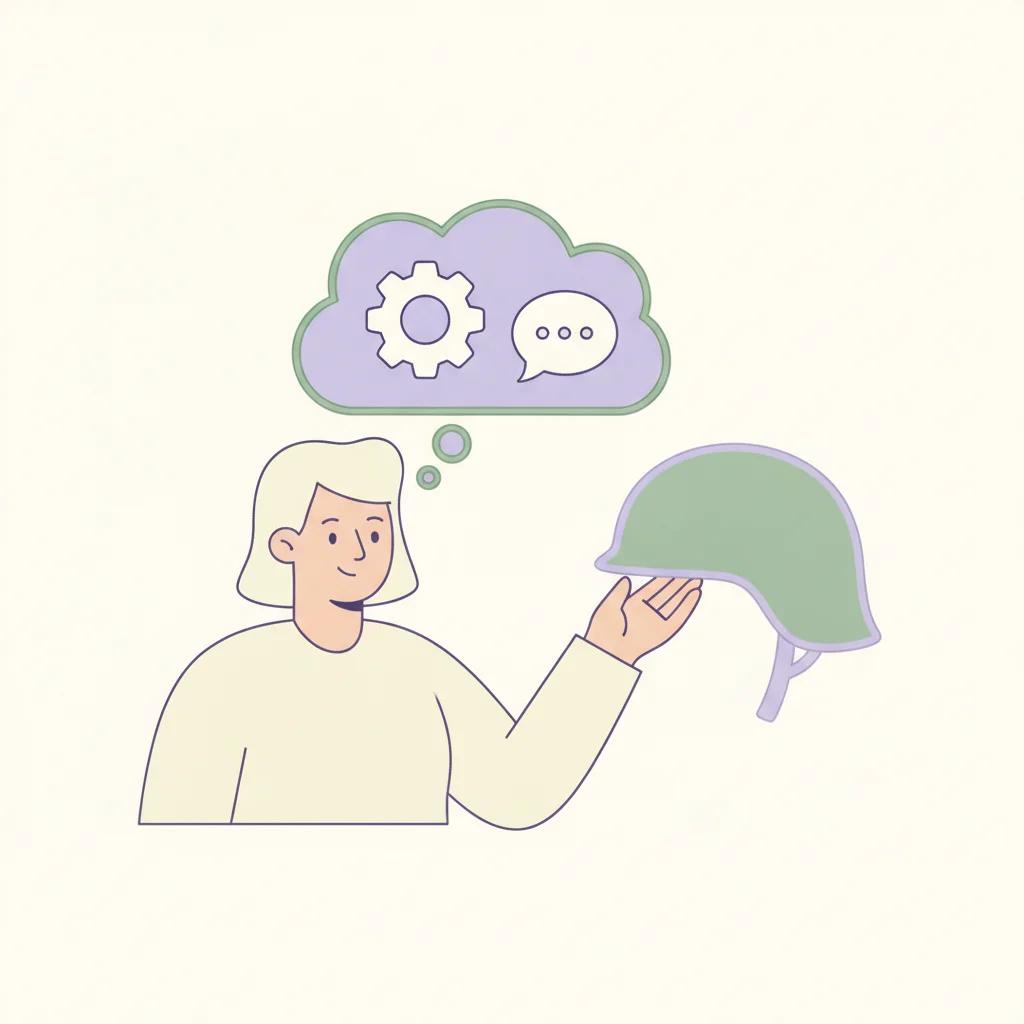
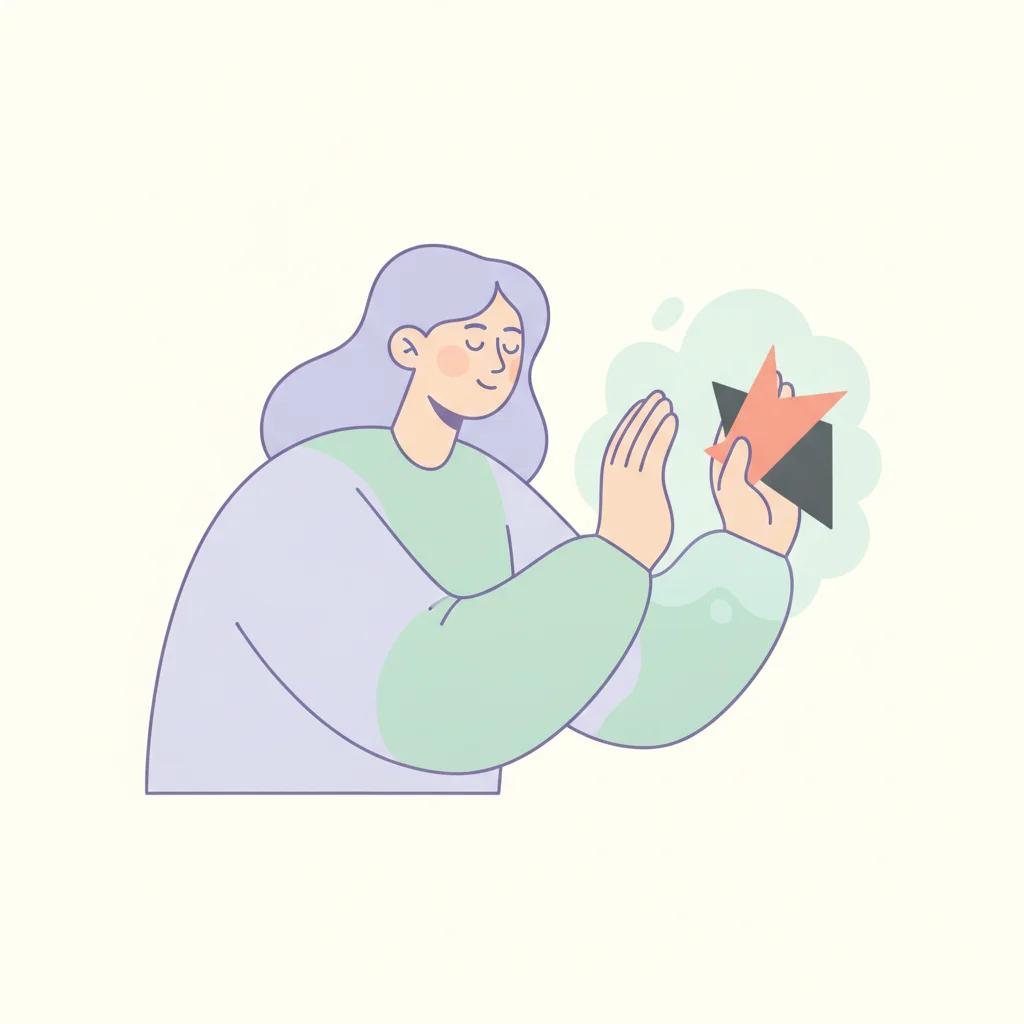
Masking and Social Camouflaging: Constant imitation of neurotypical behaviors and suppression of authentic needs (such as stimming), which often leads to Impostor Syndrome.
Coka Cola Bottle Effect: "Normal" outward behavior at work or school, leading to a complete collapse (Meltdown or Shutdown) the moment they reach the safe space at home.
Autistic Burnout: Complete depletion of energy resources (according to Spoon Theory) leading to temporary or permanent loss of functioning abilities, depression, and anxiety.
Social Vulnerability: The combination of literal thinking and a desire to fit in exposes them, especially in the absence of a diagnosis, to manipulation and experiences of Mate Crime.
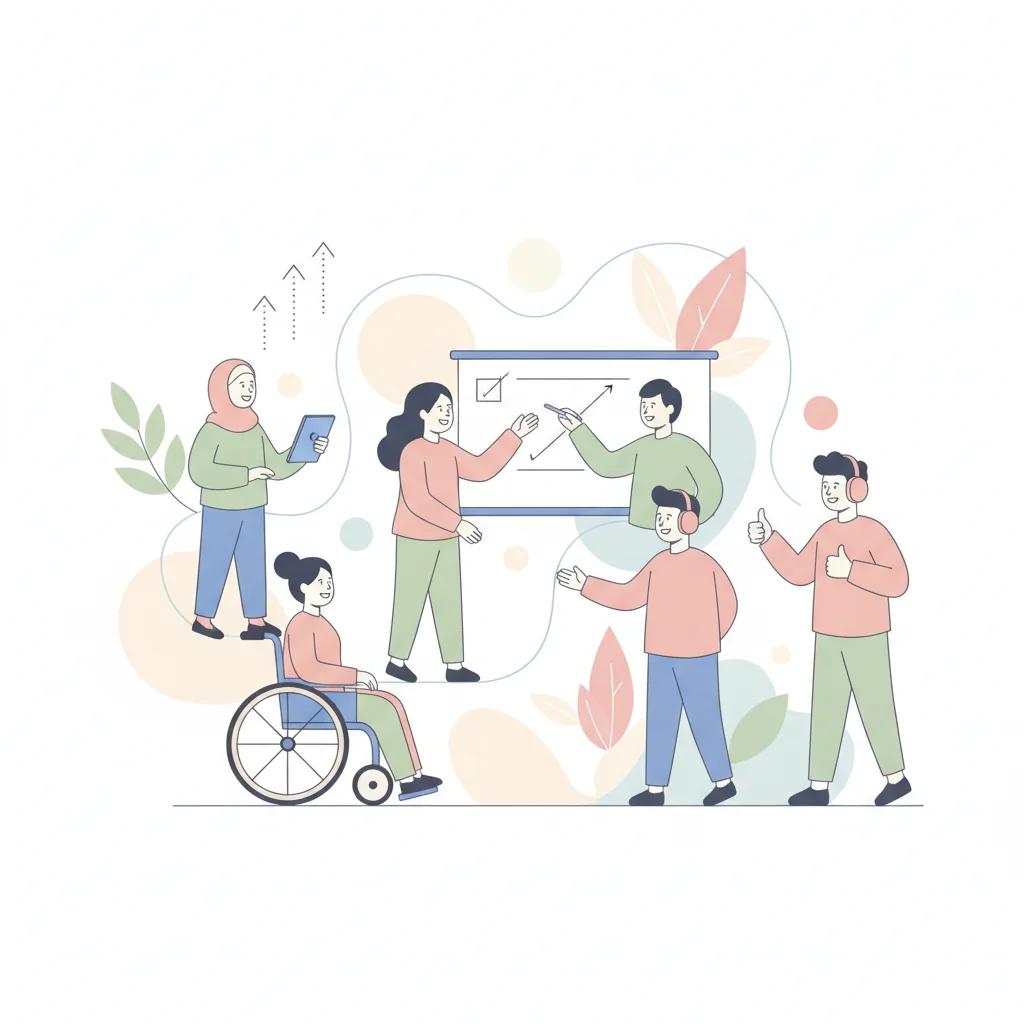
Understanding Autism through the neurodiversity paradigm emphasizes that the key to the mental well-being of people on the spectrum is not an attempt to "normalize" them (through controversial practices like traditional ABA), but rather providing Reasonable Accommodations, creating an accessible environment, and supporting the complex process of Unmasking for an authentic and healthy life.