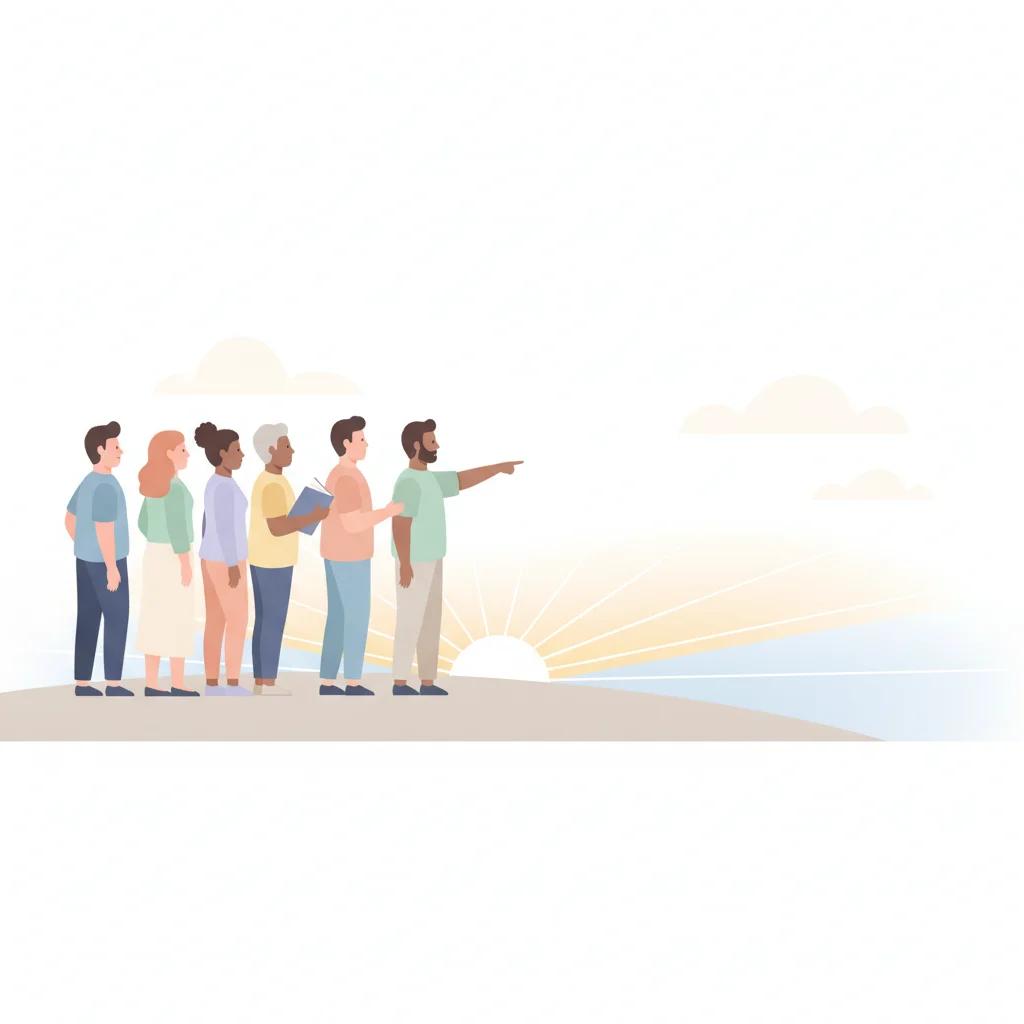
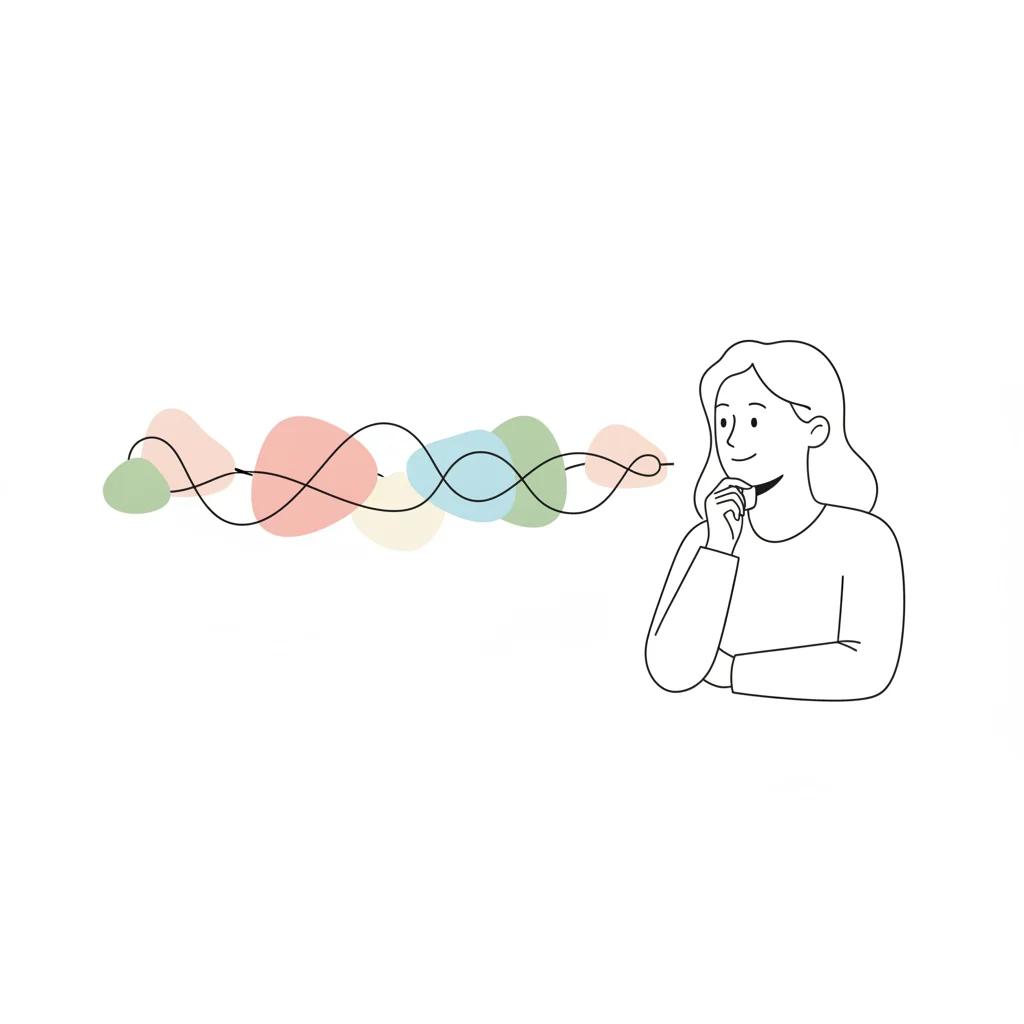
A clinical and identity-based process in which a person receives formal recognition of being on the Autistic Spectrum later in life.
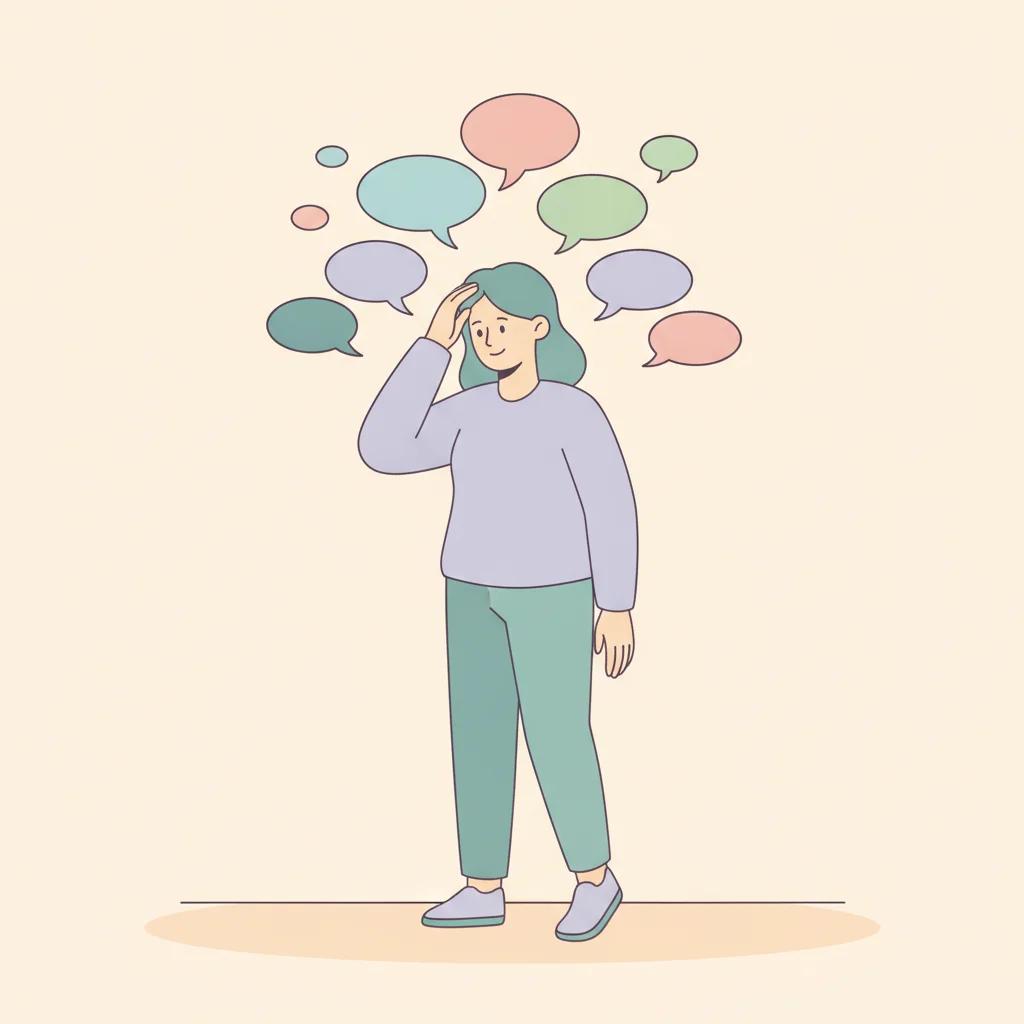
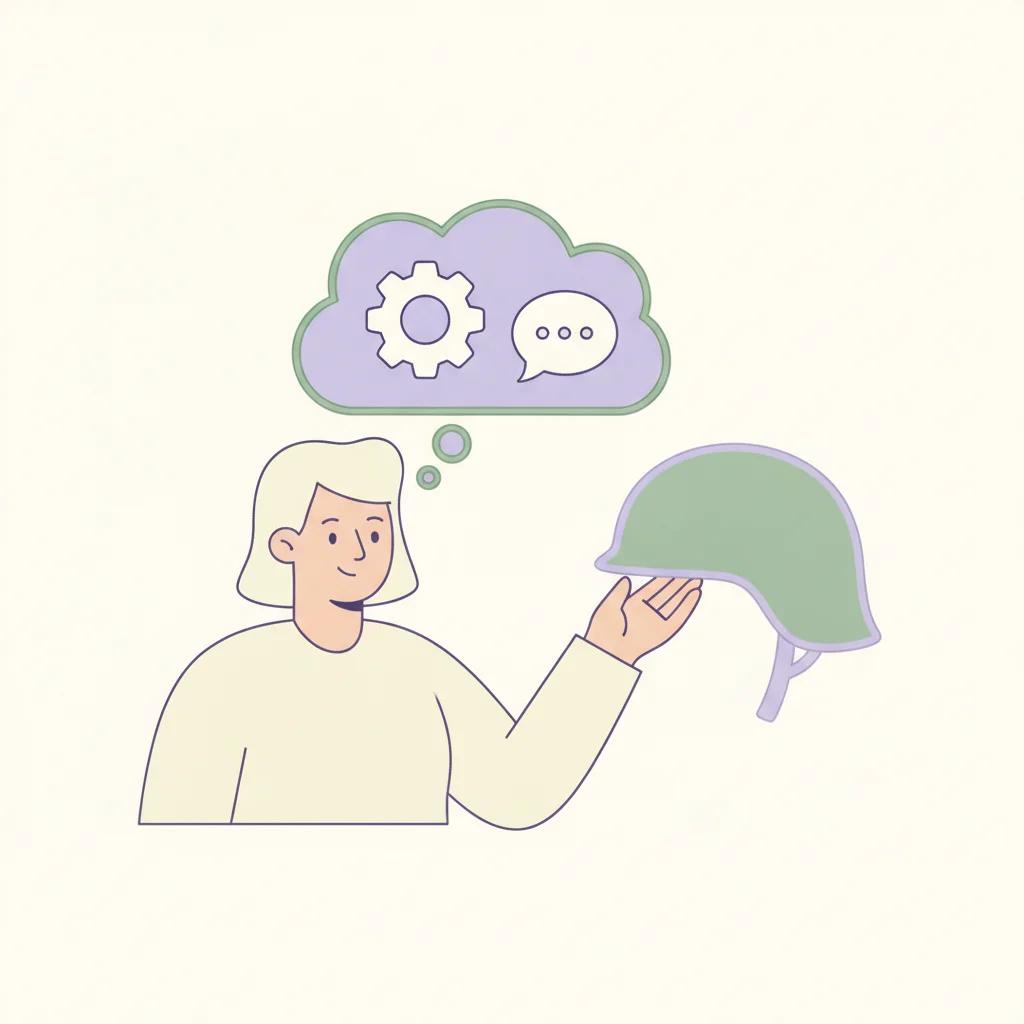
Many autistic adults only receive an assessment later in life because throughout their lives they have developed sophisticated mechanisms of Masking, Camouflaging, and Adaptive morphing to resemble and integrate into the neurotypical environment. This illusion of High-Functioning Autism causes their differences to be interpreted by society as shyness or eccentricity, while their Spiky Skills Profile and true needs remain invisible.
The decision to seek a late assessment often occurs following a breaking point, such as chronic Autistic Burnout and loss of function, the diagnosis of a child in the family, or the development of Complex PTSD from prolonged life in an inaccessible environment.
Unlike child assessments, Adult Autism Assessment does not rely solely on behavioral observation in the clinic, but is based on a historical reconstruction of childhood and an analysis of the person's internal experience (such as Bottom-up thinking or challenges with Sensory Processing). For many autistic adults, receiving a diagnosis is a corrective experience that reduces internalized Ableism, validates their difficulties, and allows them to request Reasonable Accommodations and begin a healthy process of Unmasking.