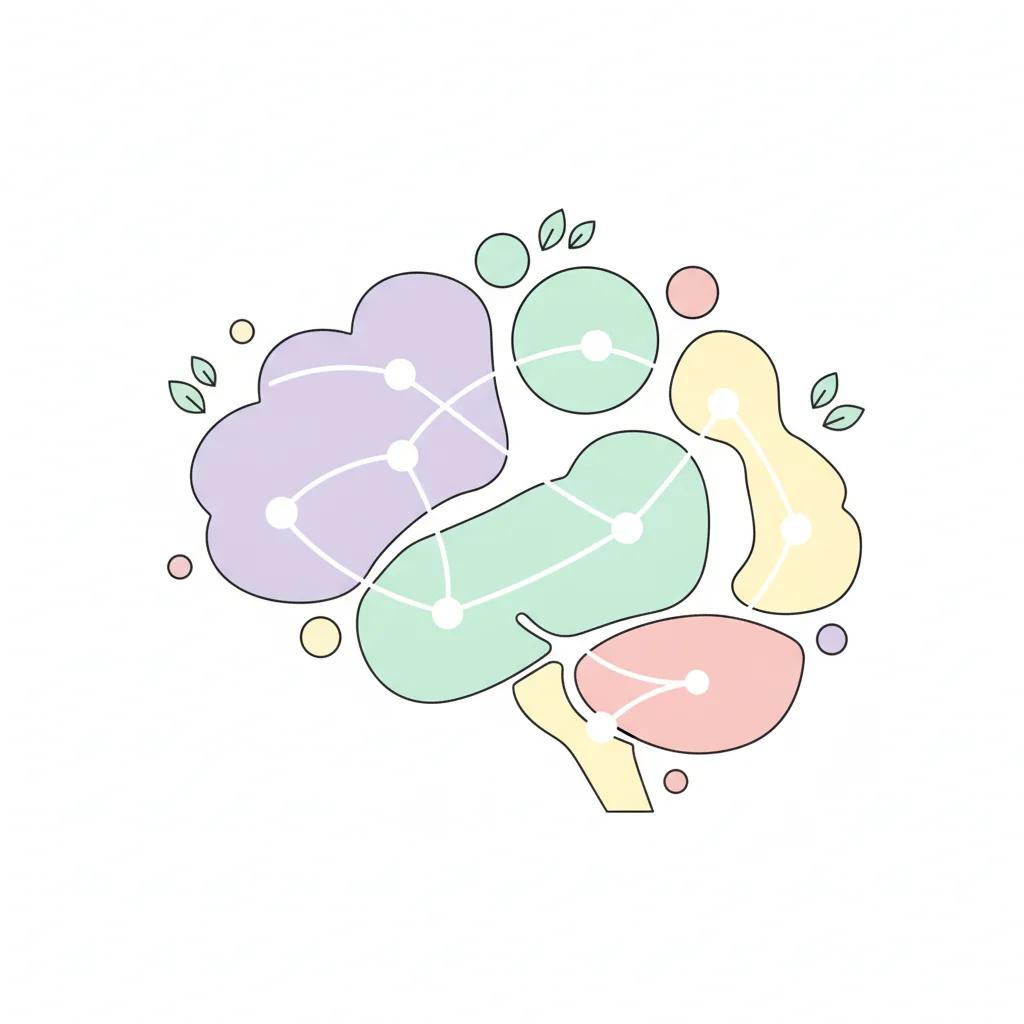
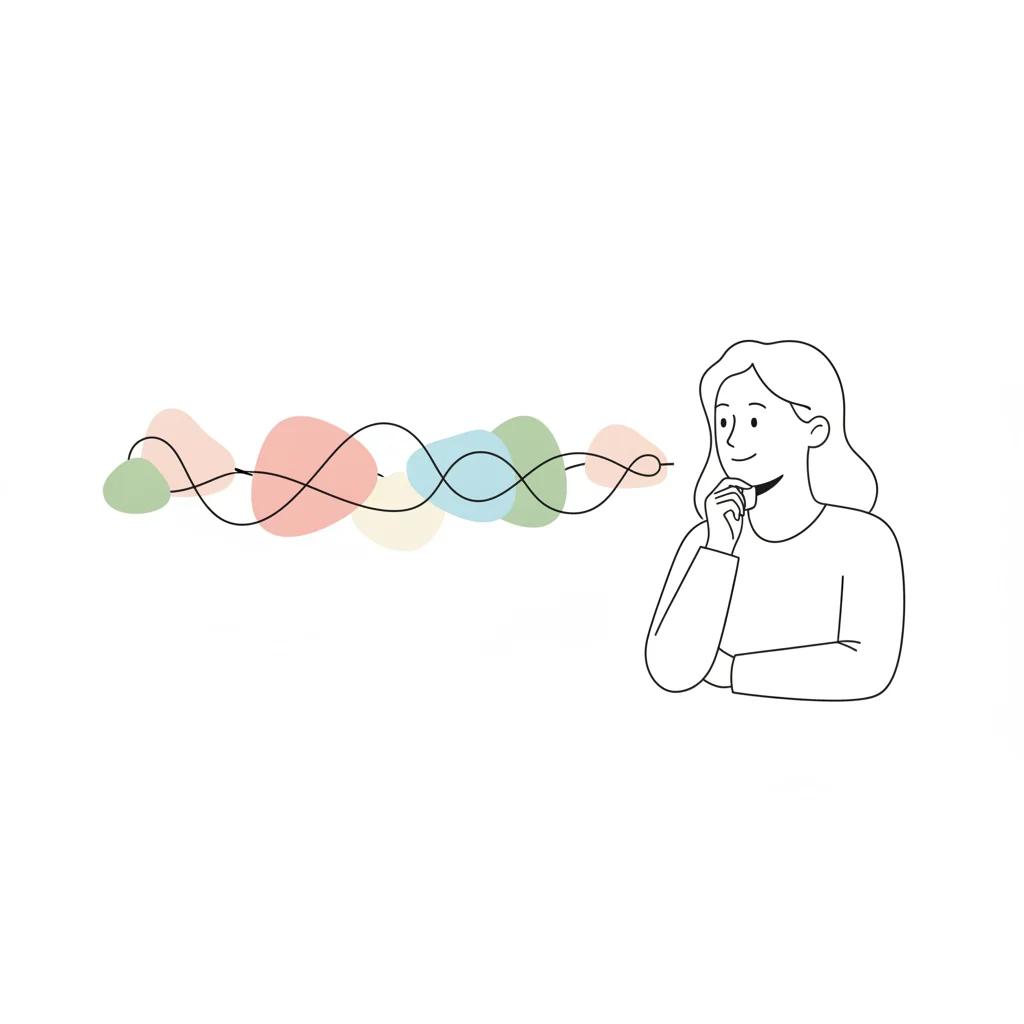
Theory of Mind - ToM is the cognitive and social ability of a person to attribute mental states - such as beliefs, desires, intentions, knowledge, emotions, and interpretations - to themselves and others. This mechanism allows us to understand that different people have perspectives, thoughts, and information that differ from our own, and on this basis, to predict and decipher their behavior.
For decades, the medical and psychological world presented Autism through a deficit-based approach identified with the Medical Model, claiming that autistic people have "Mind Blindness" or an innate impairment in Theory of Mind. However, following the growth of the Neurodiversity movement and modern research, this perception has undergone a dramatic change.
The Conceptual Revolution: The Double Empathy Problem
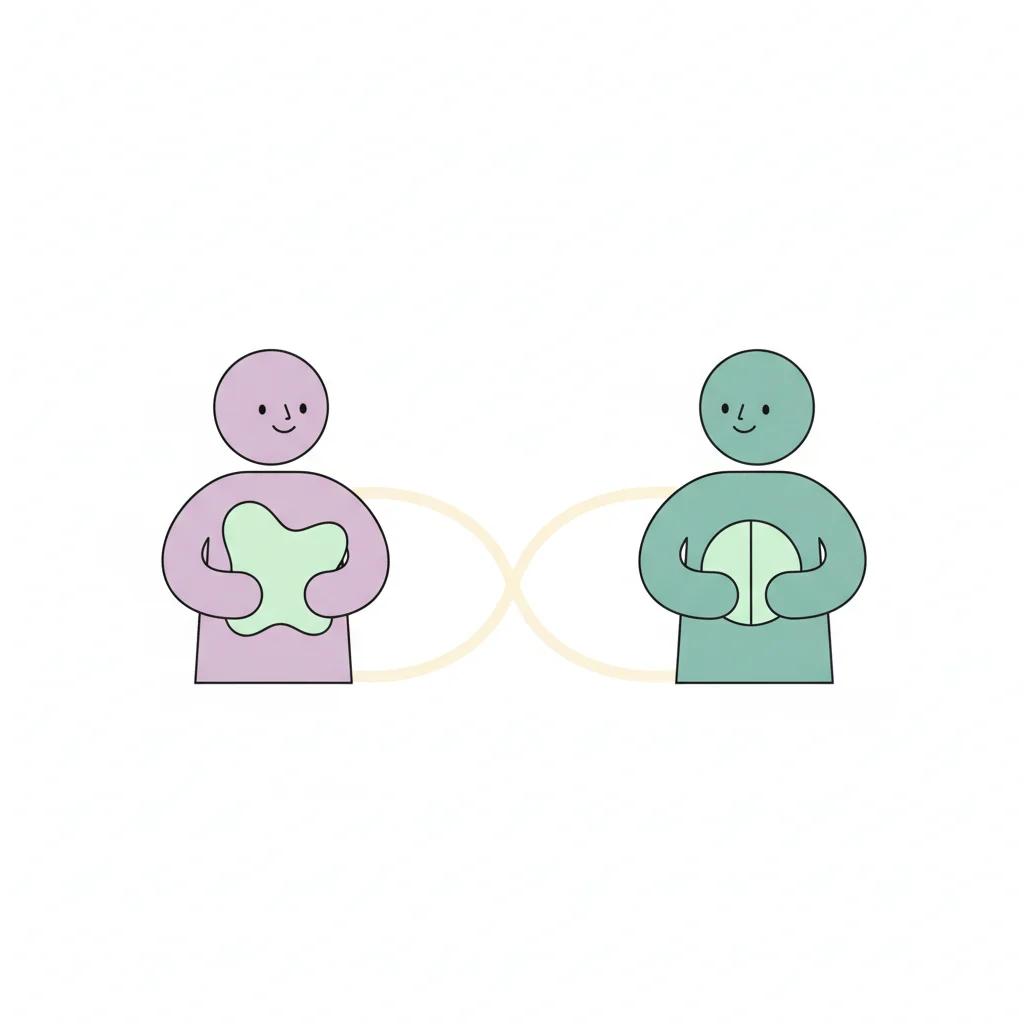
The central criticism of the old perception is now formulated using the concept of the Double Empathy Problem, developed by autistic sociologist Damian Milton.
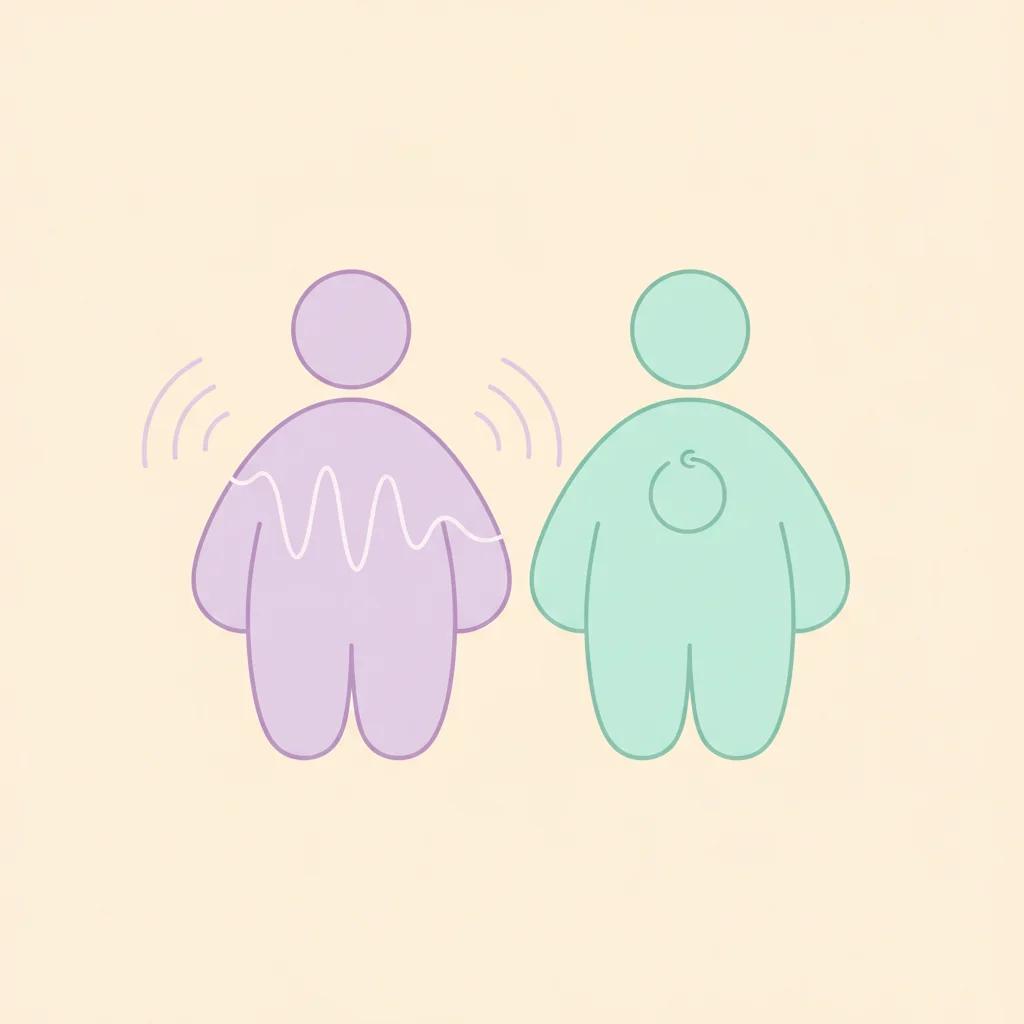
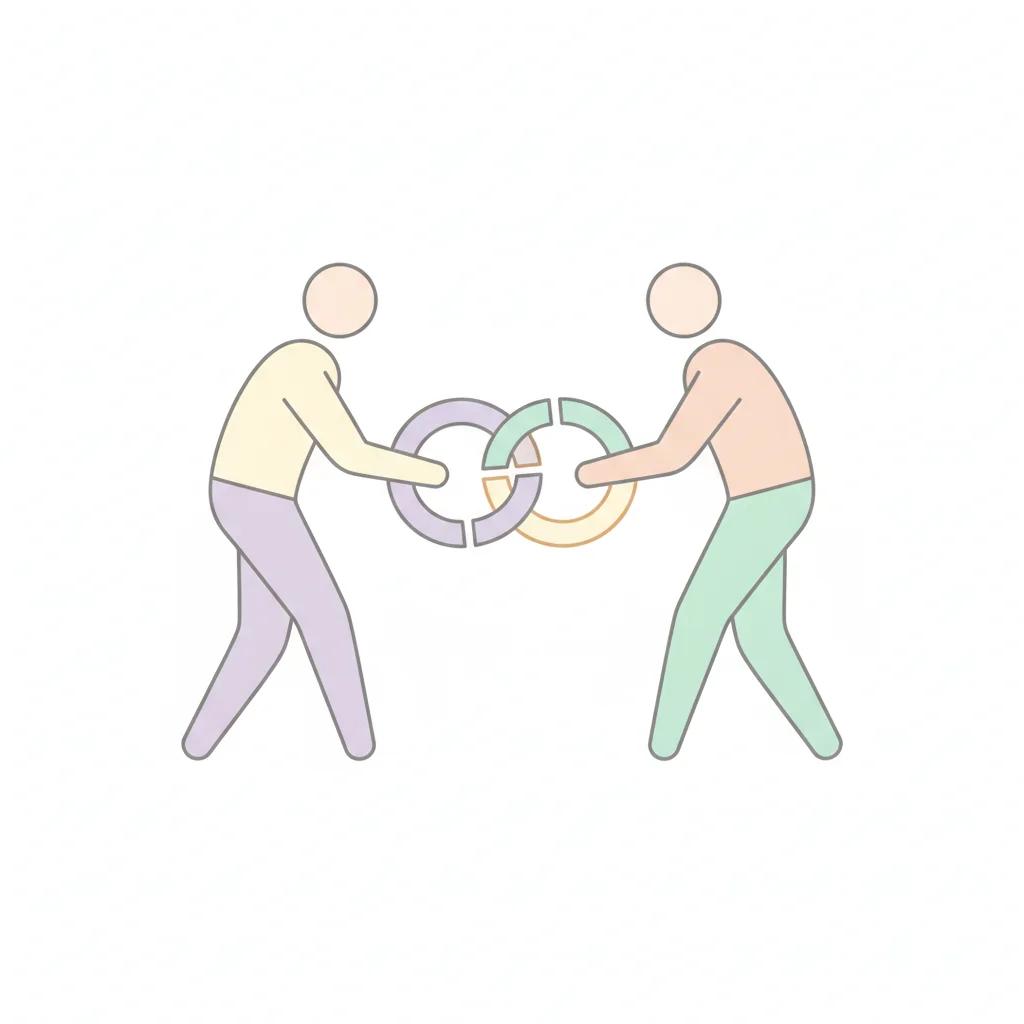
Updated research shows that the difficulty in Theory of Mind is not a one-sided impairment located in the autistic brain (as previously claimed or reflected in the dry criteria of the DSM-5), but rather a mutual communicative and cultural gap between two different neurological groups:
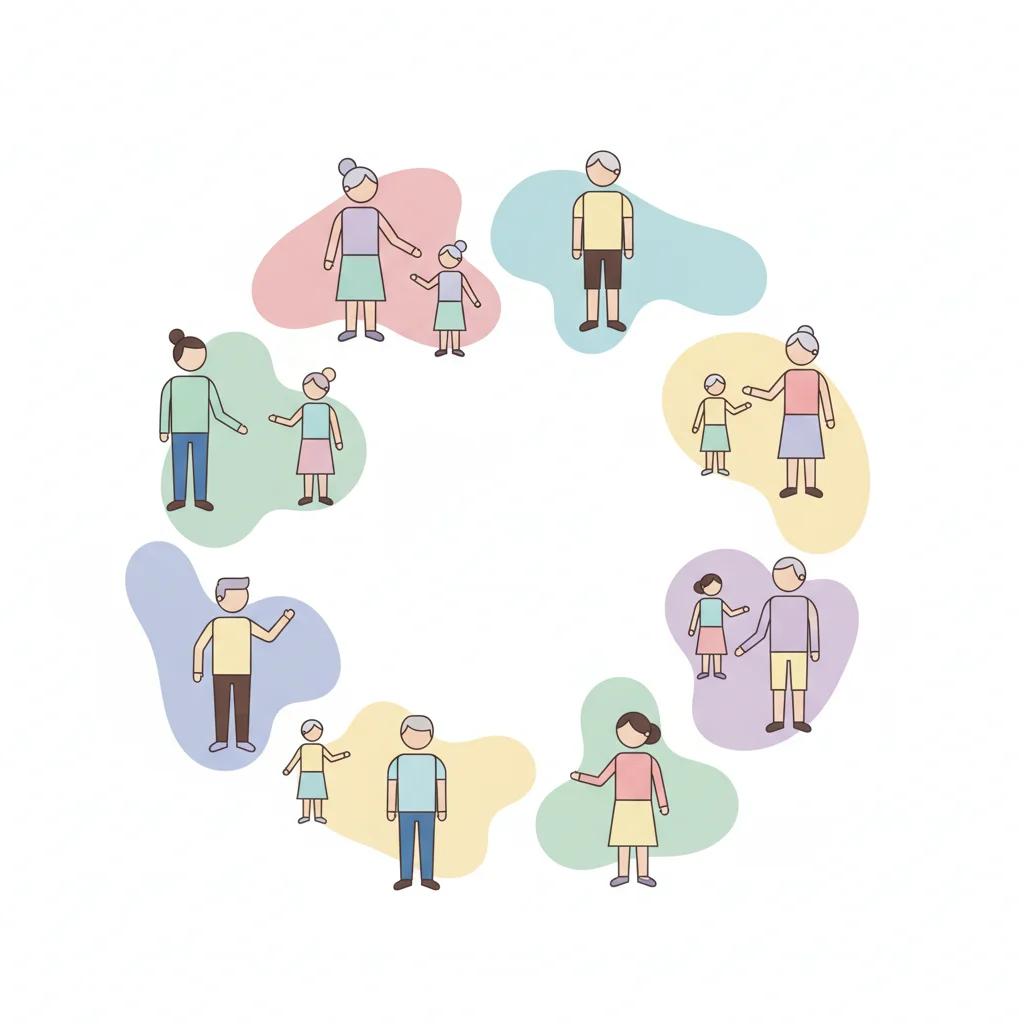
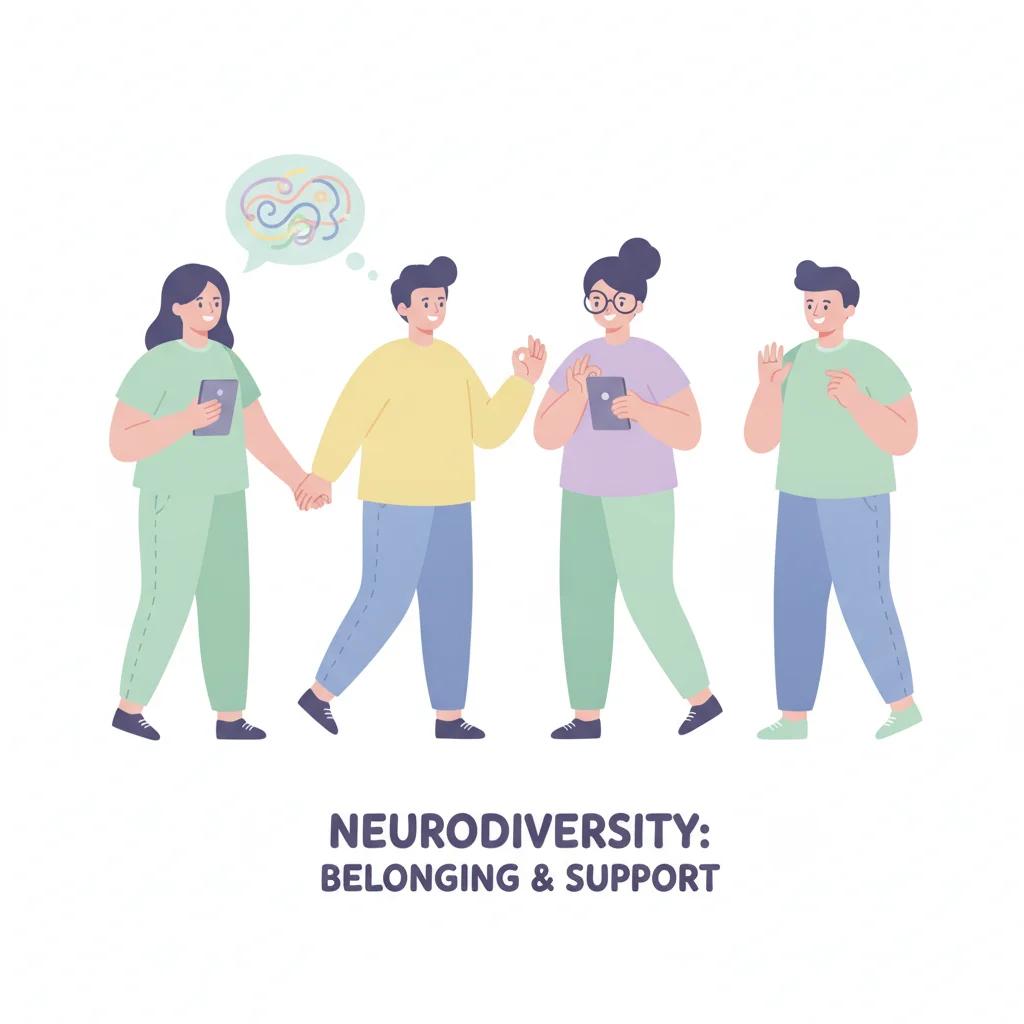
Communication within the community: Autistic people show excellent Theory of Mind, high empathy, and phenomenal mutual understanding when communicating among themselves (for example, through authentic communication styles like Info Dumping or Parallel Play).
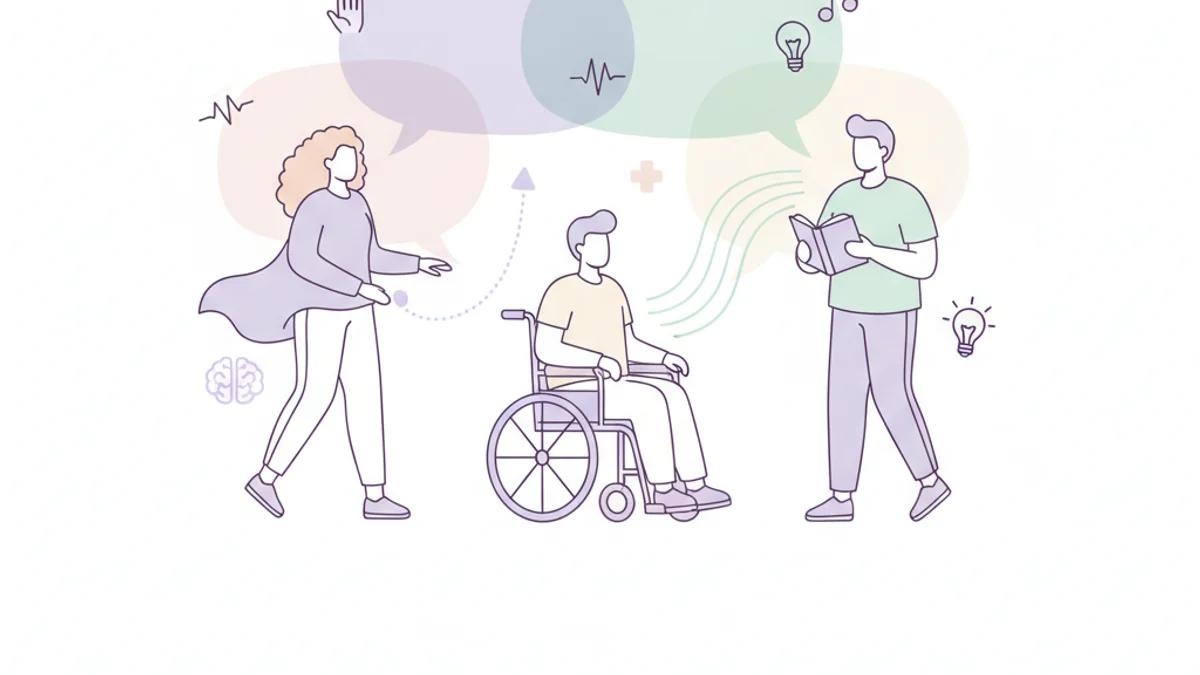
Cross-neurological gap: The difficulty arises only when an autistic person and an allistic person (who is not autistic) try to read each other. The Neurotypical brain fails to understand the intentions and thoughts of the autistic person to the exact same extent that the autistic person struggles to decipher the unwritten social cues of the majority.
How Does the Difference in Information Processing Affect the Experience?
The way a neurodivergent person applies Theory of Mind to the world is directly influenced by their cognitive wiring:
Bottom-up thinking: Neurotypical people use mental "shortcuts" and social intuition to guess what others are thinking. In contrast, an autistic person uses Bottom-up thinking - they collect detail after detail, analyze data, facial expressions, and specific words, and from these, build a logical and conscious theory about the other's mental state.
Literal Thinking: Due to the tendency for direct and honest thinking, the autistic brain often assumes that "what was said is what was meant." This gap makes it difficult to automatically identify sarcasm, manipulations, white lies, or subtle cues, which are an integral part of neurotypical interaction.
The Emotional Cost of the Theory of Mind Gap
The societal expectation for neurodivergent people to perfectly decipher the minds of neurotypicals, without the latter making an effort to understand them back, creates heavy costs:
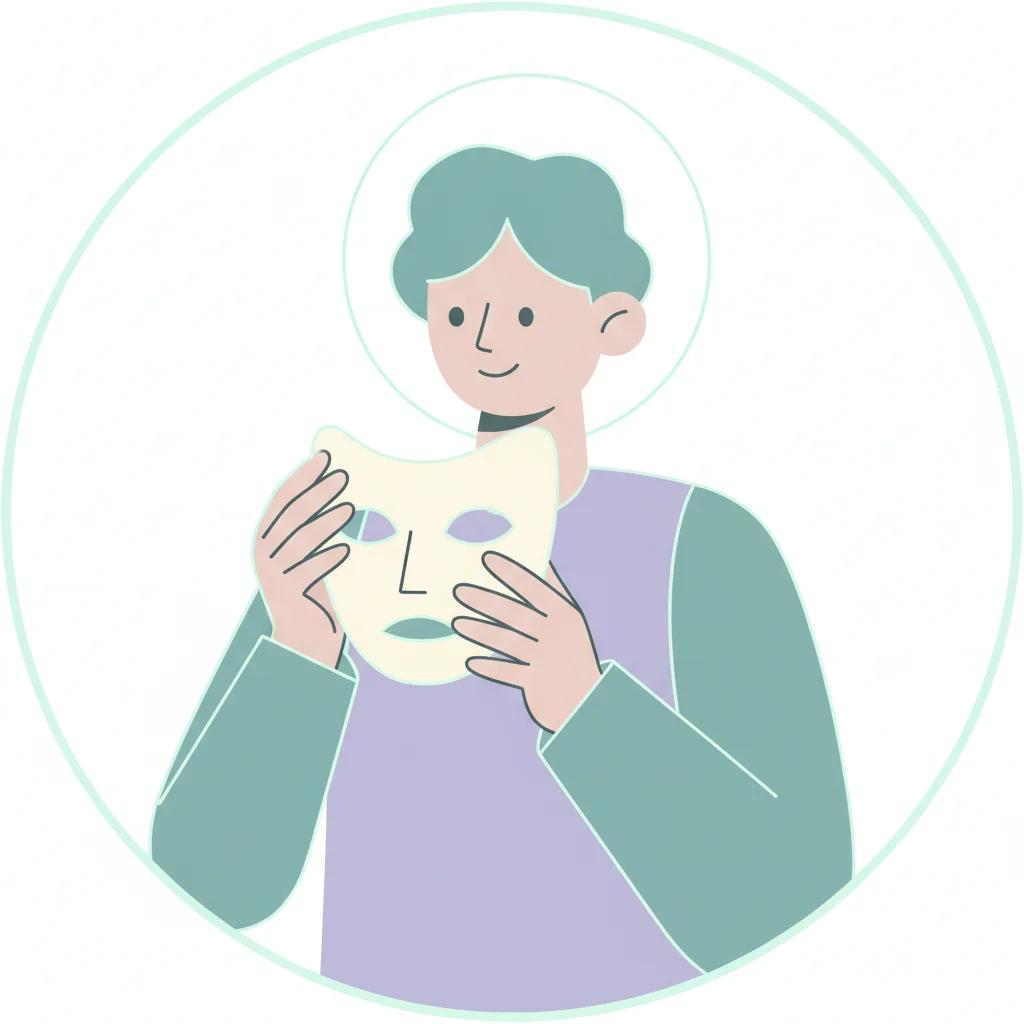
Imposition of Adaptive morphing: To bridge the gap and compensate for the lack of typical social intuition, the person is forced to invest enormous cognitive resources in Masking and Camouflaging. They run incessant mental simulations to guess "what they are expected to say now," which depletes their "spoons" (according to Spoon Theory) and leads to Sensory Overload, Analysis Paralysis, and chronic Autistic Burnout.
RSD (Rejection Sensitive Dysphoria) and Complex PTSD: The sometimes unsuccessful attempts to decipher the intentions of the environment, alongside past experiences of ostracism or ridicule (experiences of Mate Crime), leave the nervous system in chronic hyper-arousal. The person may develop Dichotomous Thinking where every small change in the other's tone of voice is immediately interpreted as complete rejection, a process that fuels the development of Complex PTSD.
Vulnerability to exploitation and Infantilization: The tendency to assume that all people have straightforward and literal intentions like their own puts autistic people at high risk for social and financial exploitation. Conversely, when they express difficulty in deciphering social codes, the environment tends to respond with Infantilization and dismissal of their autonomy, instead of making communication accessible.
The Bridging Path: Reasonable Accommodations and Unmasking
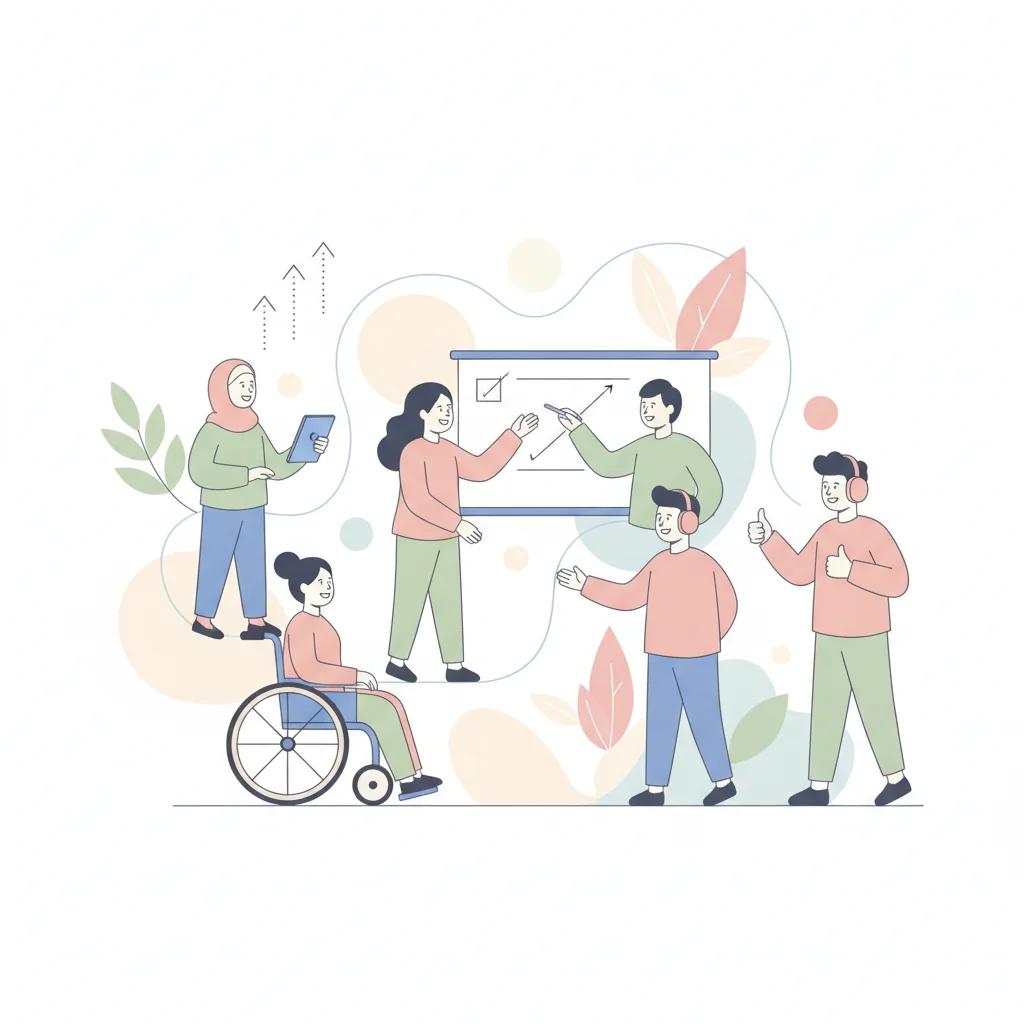
According to the Social Model of Disability, the solution to the gap in Theory of Mind is not arduous and forced training of the autistic person in "neurotypical mind-reading," but rather creating a two-way bridge:
Explicit and written communication (Reasonable Accommodations): Shifting from implied and code-based communication to direct, clear, and honest communication (preferably in writing in workplaces and educational settings). This removes mental burden and eliminates the need for Masking.
Legitimacy for the Unmasking process: Giving the person the freedom to communicate in their authentic way, including allowing ample time for information processing, without judging them for lack of eye contact or direct speaking style.
Self-compassion and reduction of internalized Ableism: Understanding that social difficulty does not indicate a personality flaw or lack of empathy, but is a natural product of an encounter between different neurological languages, deserving of mutual respect and inclusion.