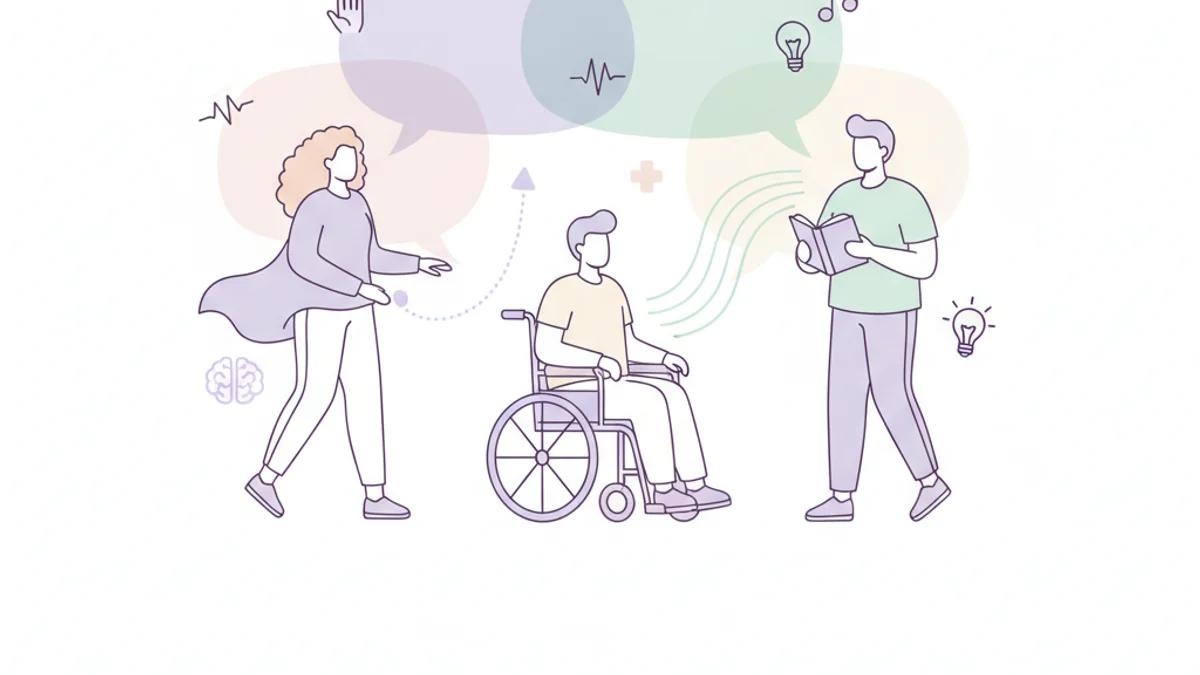
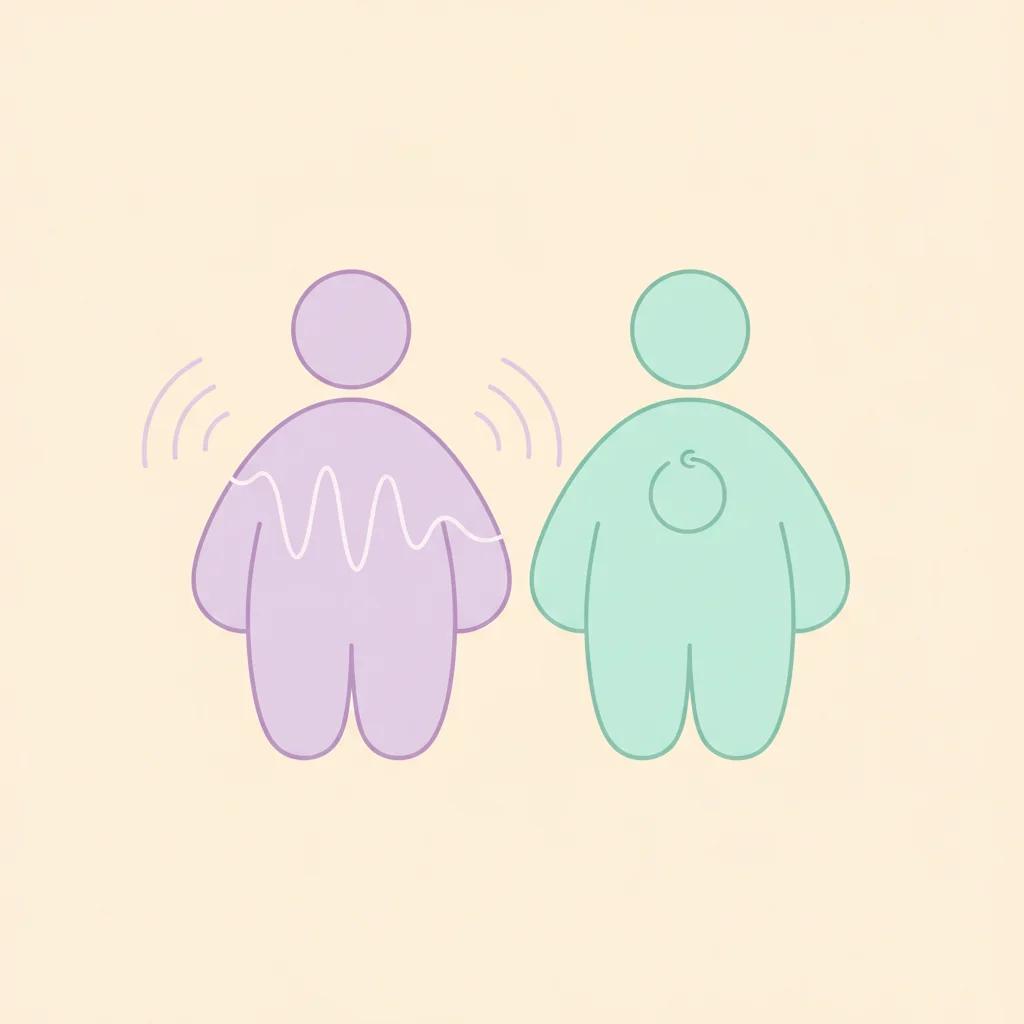
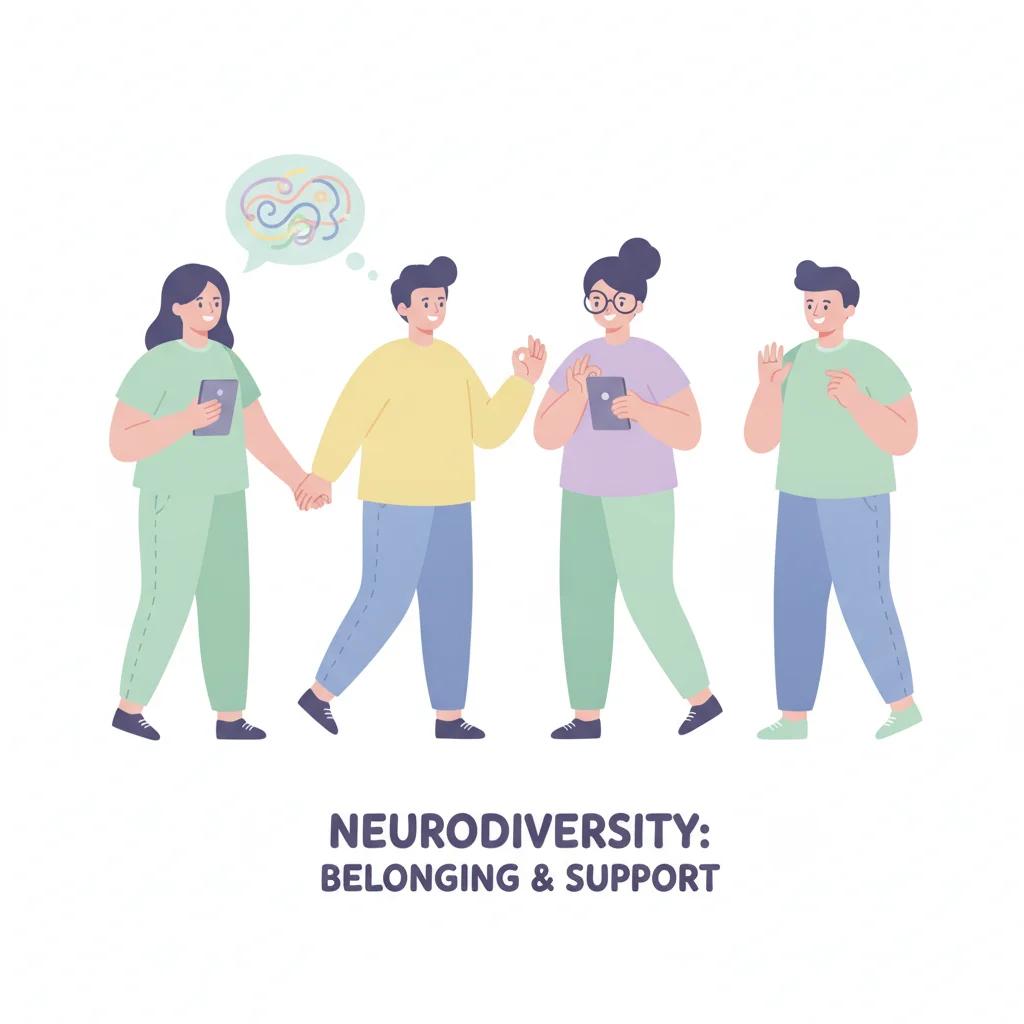
Minority Stress is a psychological and sociological model explaining how people belonging to stigmatized minority groups (based on sexual orientation, gender, race, or neurology) experience high and chronic levels of psychological stress, directly caused by society's treatment of them, beyond the normal stress experienced by all people.
The model, originally developed by researcher Ilan Meyer for the LGBTQ+ community, has been widely adopted in recent years by the Neurodiversity community to explain the autistic experience. This stress is divided into two main types:
Distal Stress (External Factors): Objective experiences of discrimination, social rejection, bullying, stigmas, lack of sensory accessibility, or constant environmental pressure to change (as described by the term Ableism).
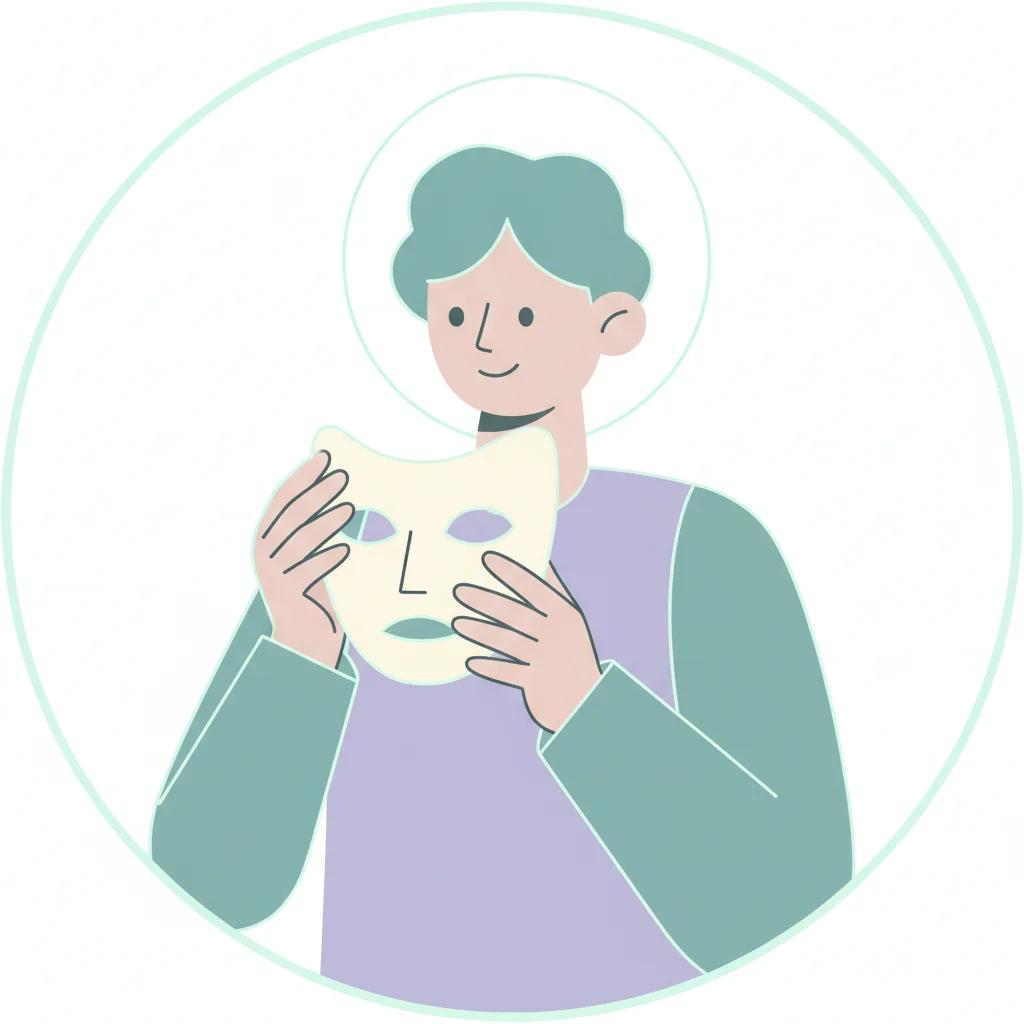
Proximal Stress (Internal Factors): Psychological stress that develops within the individual as a result of living in a hostile environment. This includes constant anticipation of rejection (related to RSD - Rejection Sensitive Dysphoria), the exhausting need for Masking and Camouflaging to survive, and Internalized Ableism - a state where the individual internalizes society's negative messages and feels "flawed."
The clinical significance of Minority Stress is critical: it clarifies that the high rates of anxiety, depression, and Autistic Burnout within the community do not stem from an "inherent defect" in Autism itself, but are a direct result of the chronic wear and effort required to live in a neurotypical world that is not adapted to them. The solution, therefore, is not an attempt to "fix" the autistic person, but rather to reduce stress through creating Reasonable Accommodations, social acceptance, and ceasing people-pleasing (the process of Unmasking).