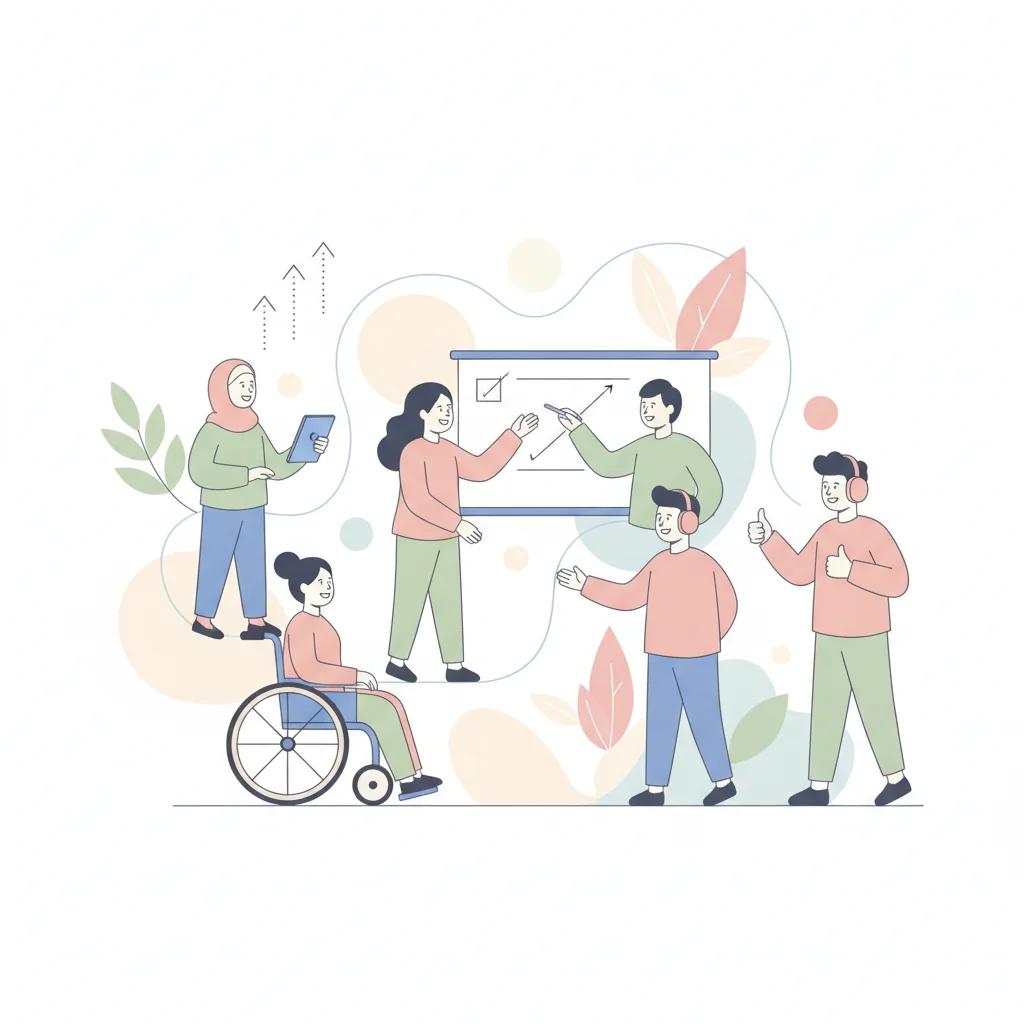
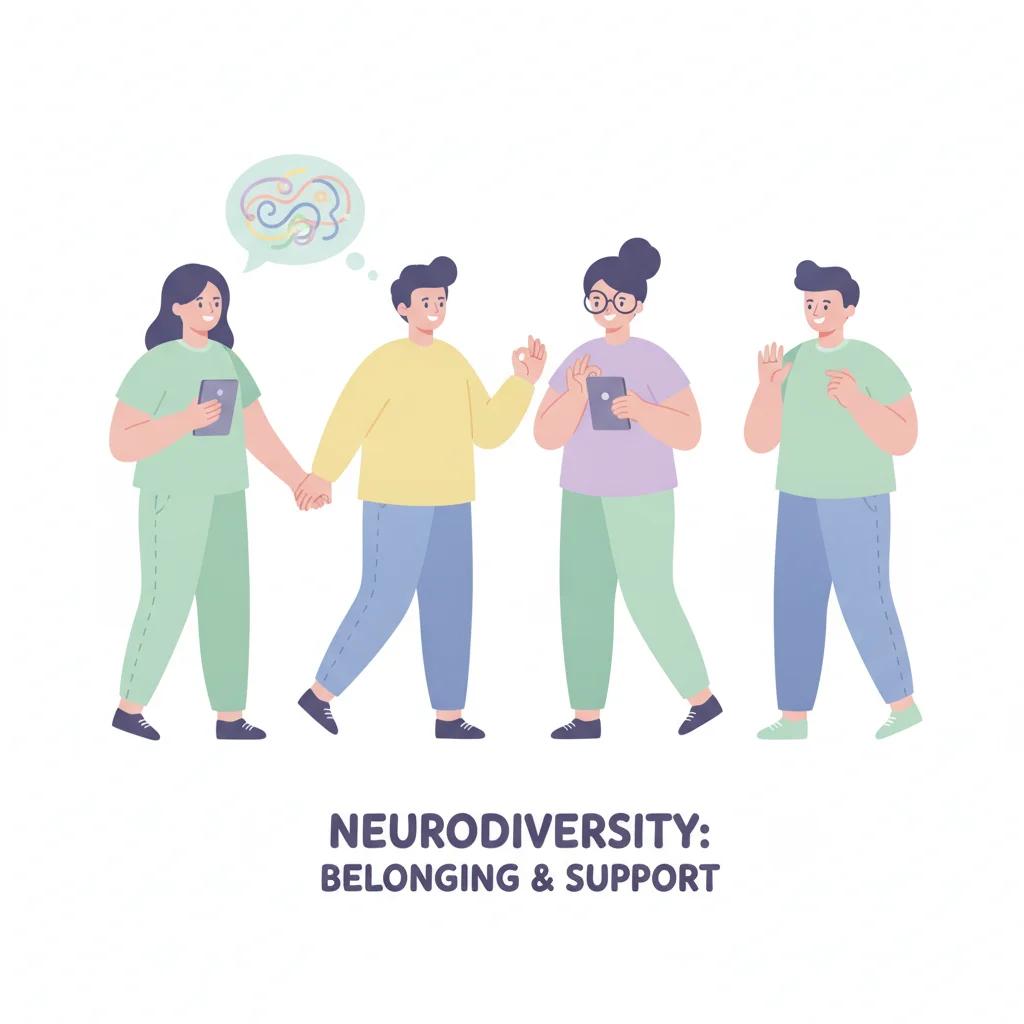
The Social Model of Disability is a perceptual, philosophical, and political paradigm that completely changes the way society defines and understands disability and neurological diversity.
According to the Social Model, disability is not a medical characteristic located within an individual's body or mind, but rather a product of a rigid, inaccessible, and discriminatory environment. The model makes a clear distinction between two concepts:
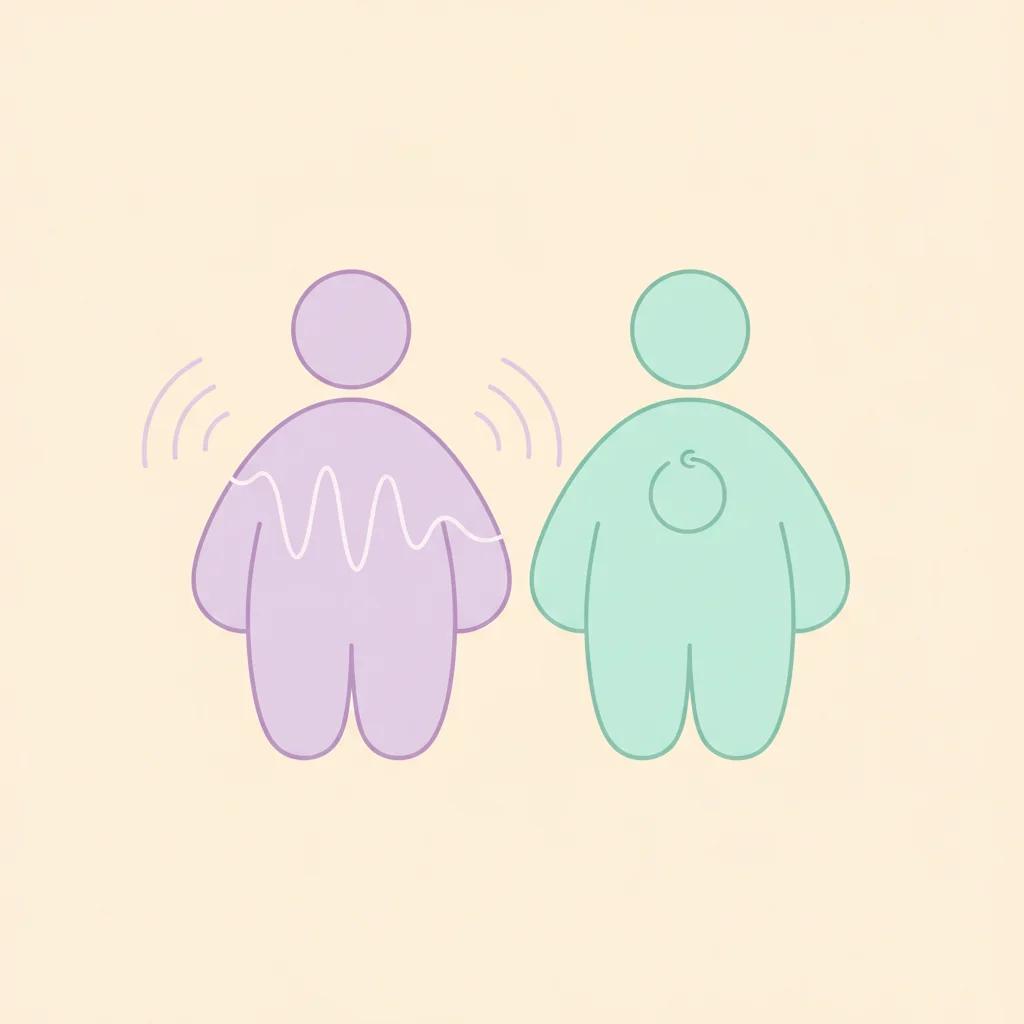
Impairment/Difference: The unique biological, physiological, or neurological characteristic of the person (such as inability to walk, autistic brain wiring, deafness, or a structural difference like EDS).
Disability: The social and structural barrier created when the environment refuses to make itself accessible or provide Reasonable Accommodations for this difference, thereby preventing the person from integrating and participating in society equally.
Social Model vs. Medical Model: Shifting the Blame
The Social Model emerged from disability rights movements in the 1970s, as a direct counter to the deficit-based approach of the Medical Model:
Characteristic | Medical Model (Traditional) | Social Model (Modern) |
|---|---|---|
Where is the problem? | Within the person (in the brain, genes, body). | In the structure of society (in architecture, laws, attitudes). |
What is the goal? | To cure, fix, normalize, or mask the difference. | To remove barriers, provide accessibility, and offer Reasonable Accommodations. |
Language used | Pathological language formulated in terms of "disorder" (like the DSM-5). | Language of identity, diversity, cultural difference, and human rights. |
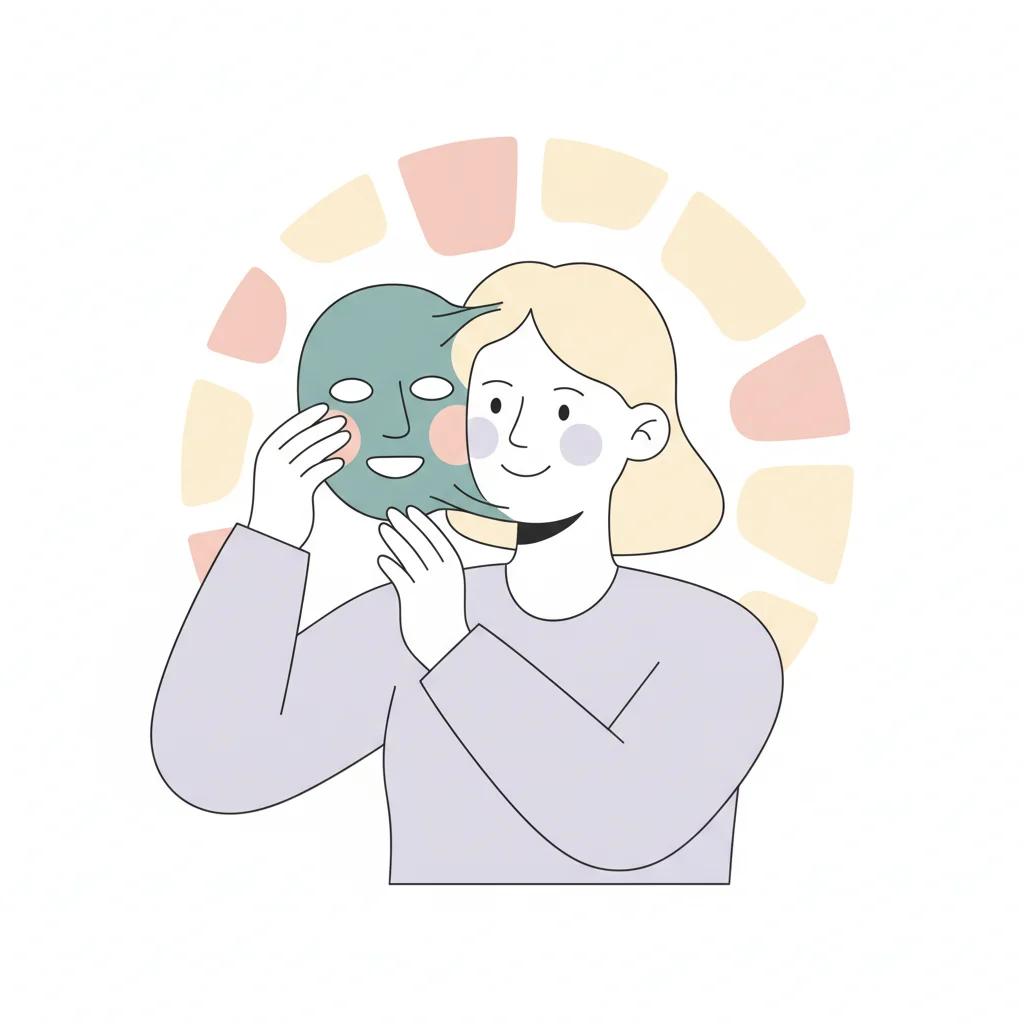
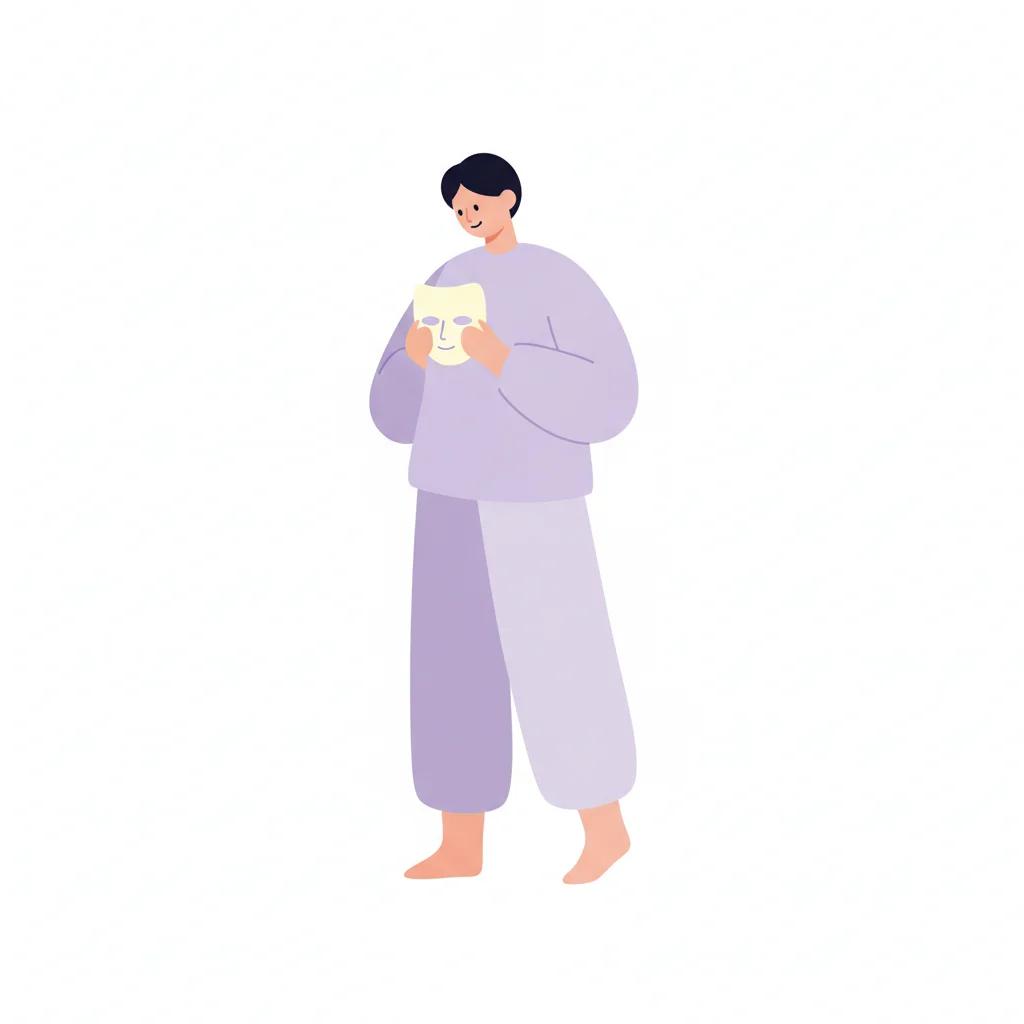
Implications for the individual | Promotes Masking, Camouflaging, and excessive people-pleasing. | Encourages self-compassion, identity pride, and Unmasking. |
Applying the Social Model in the Neurodiversity World
The Neurodiversity movement has adopted the Social Model to explain the autistic and neurodivergent experience (ADHD, dyslexia, etc.). The model clarifies that a huge part of the suffering, anxiety, and burnout experienced by autistic people does not stem from being autistic itself, but from a constant clash with a world built for a neurotypical majority:
On the sensory level: A person does not experience disability because they have Hyposensitivity or Hyper Sensitivity; the disability is created because workplaces and learning environments are designed with flickering fluorescent lights, cacophonous noise, and a ban on headphone use, which directly leads to Sensory Overload and Sensory Hangover.
On the cognitive level: Difficulties in Executive Functioning like Autistic Inertia or Analysis Paralysis are exacerbated because workplaces demand vague "flexibility" and unstructured tasks, instead of providing clear rules adapted for people with Bottom-up thinking.
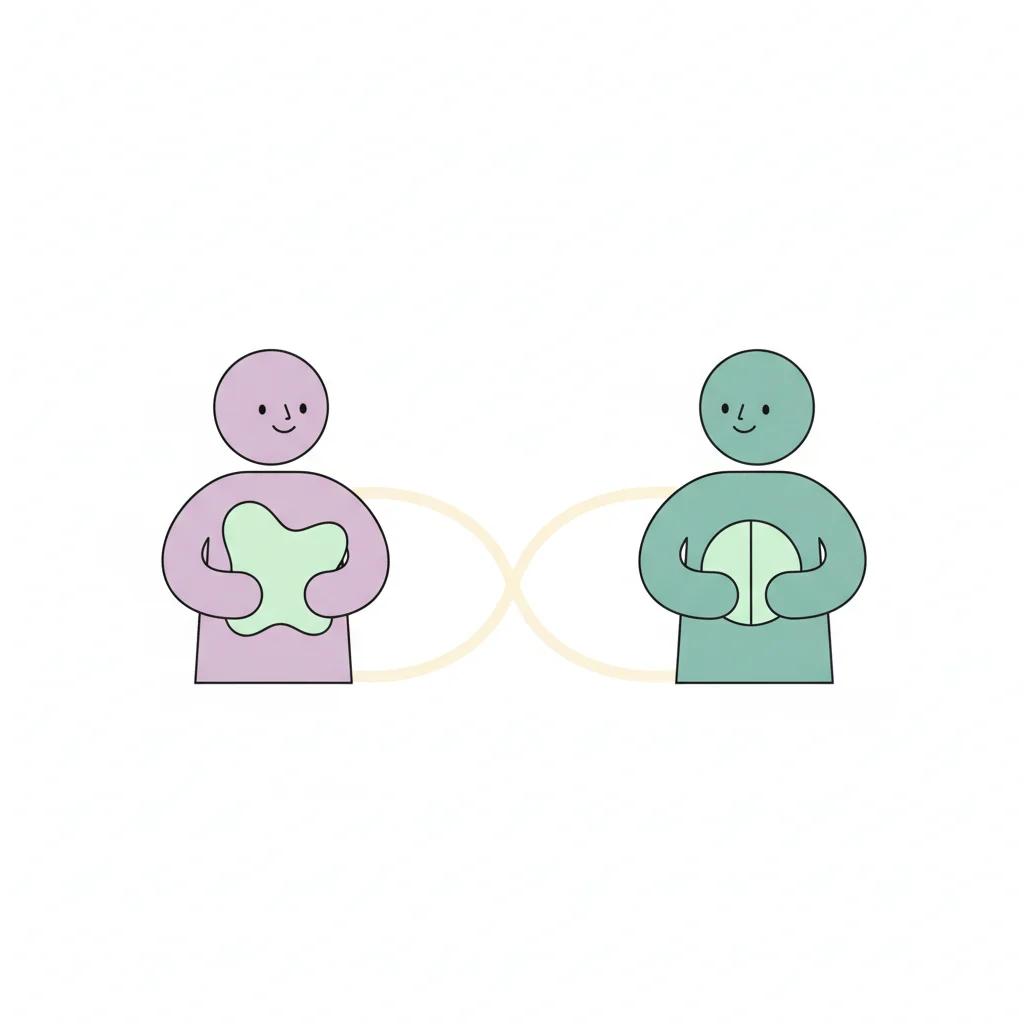
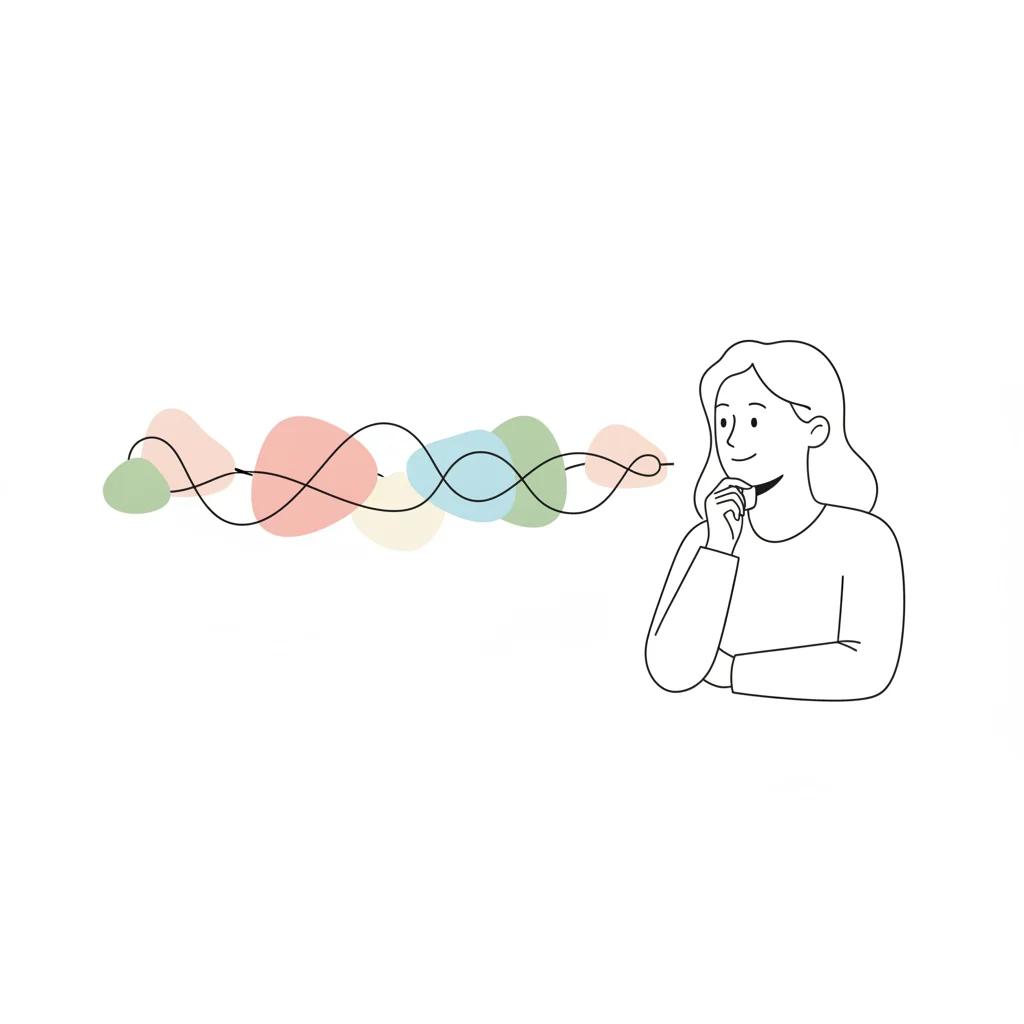
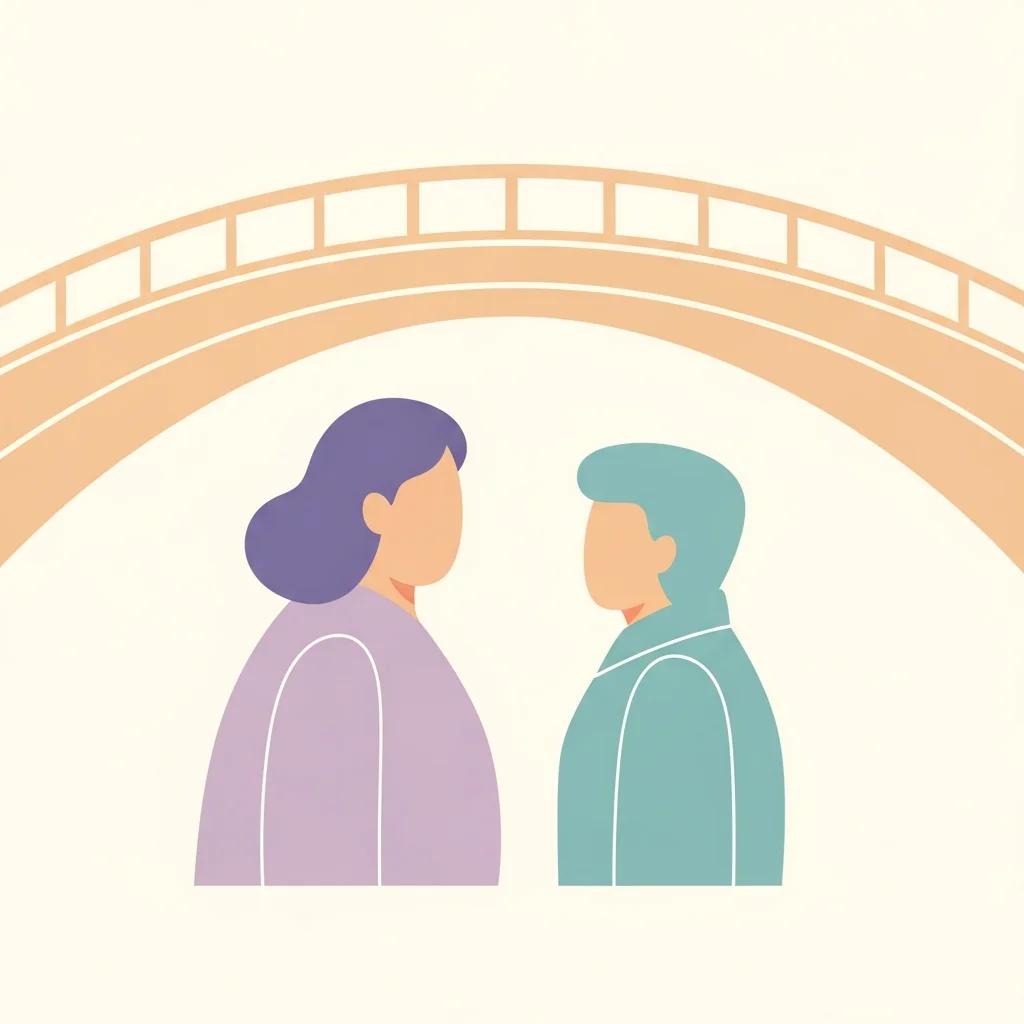
On the social level: The Social Model is directly applied through the concept of the Double Empathy Problem - the understanding that communication difficulty is not a one-sided impairment of the autistic person (as the DSM-5 claims), but a mutual failure that arises during an encounter between two different cultural-neurological groups.
The Psychological Cost of Lacking the Social Model
When a neurodivergent person grows up in an environment that educates them only according to the Medical Model, they experience chronic Minority Stress and develop Internalized Ableism. They believe they are "defective," to blame for their difficulties, and fall victim to Infantilization by their environment.
The constant attempt to "compensate" for the impairment and hide it drains the person's "spoons" (according to Spoon Theory) and reliably leads to Autistic Burnout and loss of functioning. Additionally, the education for obedience and normalization leaves them particularly vulnerable to manipulation and experiences of Mate Crime.
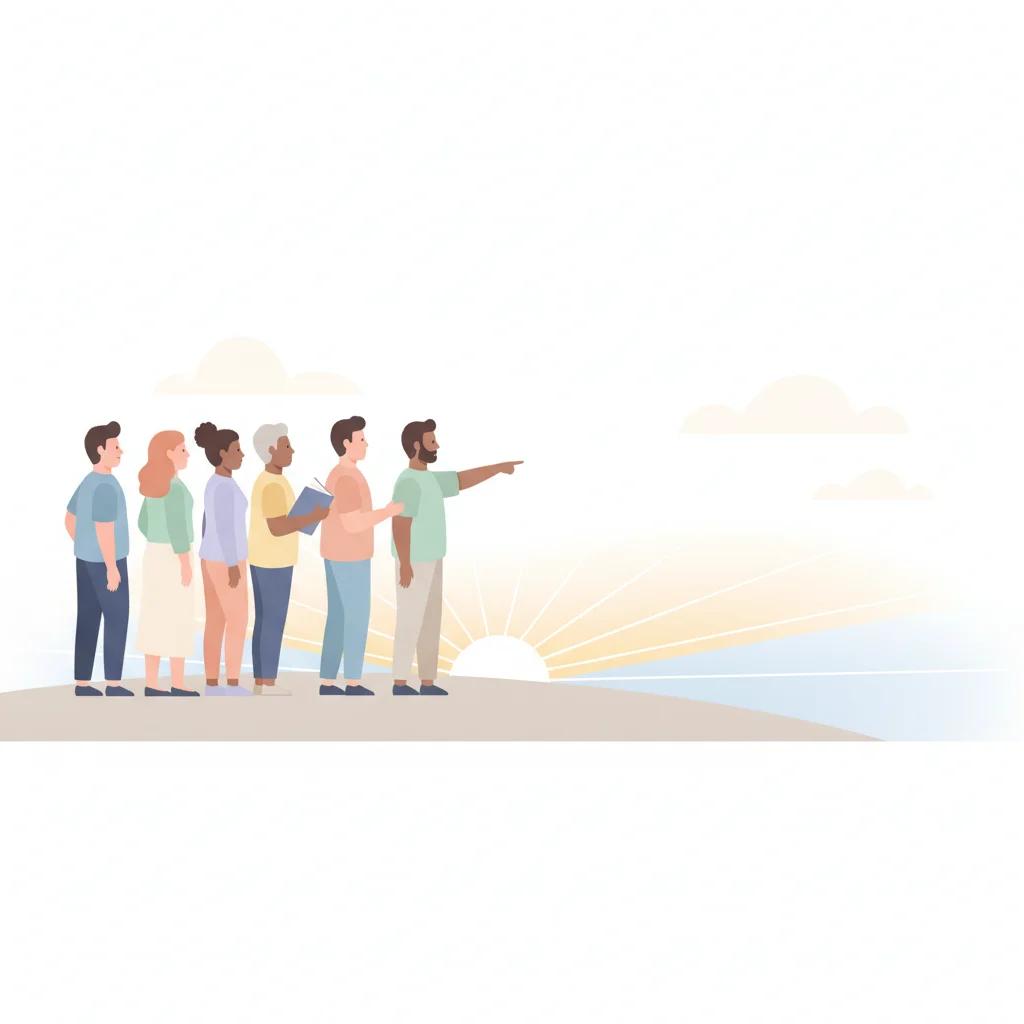
The Social Model does not ignore the real physical or neurological challenges of the person (such as chronic pain in EDS), but it asserts that the path to psychological well-being does not pass through forced "correction and normalization" treatments, but through active social change: accepting neurological diversity as a natural part of human variation, granting full autonomy to the individual, and creating an accessible and inclusive world where every person can Unmask and live with dignity.