Autistic Representation (Autistic Coding / Autistic Coded) is a term from the field of communication and cultural criticism, describing a situation where a fictional character in a film, series, book, or computer game is designed with distinct autistic characteristics, behaviors, and ways of thinking - even though the creators never officially declared them autistic, and the word "autism" is not mentioned in the work.
The term is derived from the broader concept of "cultural coding" (such as queer coding), where creators use hints, stereotypes, or familiar behavioral patterns to signal a character's identity to the audience, without explicitly stating it (sometimes due to fear of stigma or a desire to avoid medical/clinical criticism regarding diagnostic accuracy).
Characters coded as autistic often display a combination of the following characteristics:
- Unique communication style: Acute Literal Thinking, difficulty deciphering social cues or sarcasm, a monotonous or overly formal speaking style, and avoidance of eye contact.
- Overwhelming cognitive focus: Demonstrating exceptional expertise and encyclopedic knowledge on a specific, narrow topic (a clear expression of a Special Interest and Monotropism), alongside a tendency for Info Dumping.
- Sensory and behavioral atypicalities: Unusual sensitivity to noises or lights (Sensory Overload), rigid adherence to routines and rituals, or performing repetitive movements similar to Stimming under stress.
- Spiky Skills Profile: Genius-level functioning in professional or scientific fields (the "peaks"), alongside motor clumsiness or complete helplessness in managing simple daily tasks due to challenges in Executive Functioning (the "valleys").
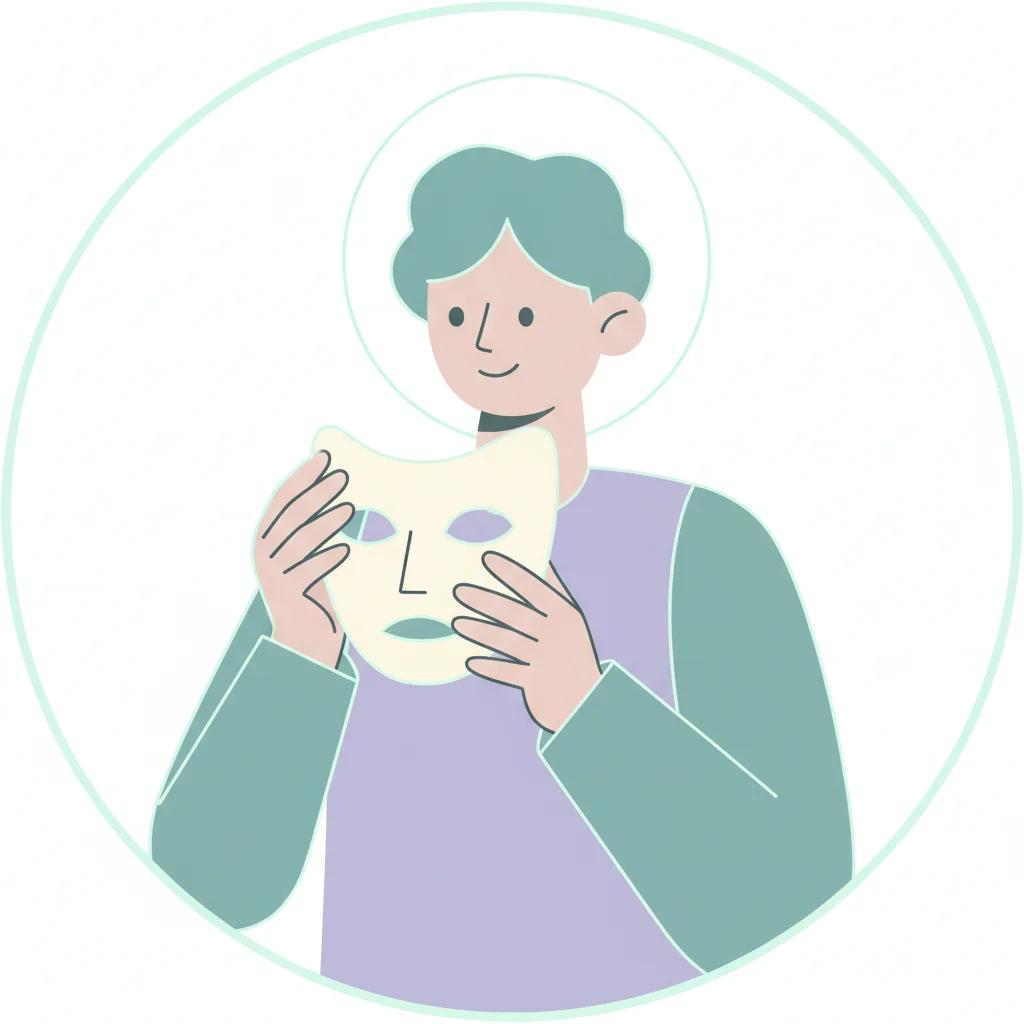
Classic examples of characters coded as autistic in popular culture include Spock ("Star Trek"), Sheldon Cooper ("The Big Bang Theory" - in its early stages), Sherlock Holmes (in various adaptations), or Elsa ("Frozen" - who for many represents an experience of Masking and hiding one's authentic self).
For the autistic community, these characters are of immense importance: they allow for cultural representation, a sense of belonging, and self-analysis (identifying with strong or beloved characters). However, the community sometimes criticizes creators for enjoying the "uniqueness" of autistic characteristics to generate interest or comedy, but avoiding giving the character an official diagnosis so they don't have to deal with the deeper implications of Ableism, Minority Stress, or the rights of neurodivergent people in reality.